Wednesday, September 23, 2026
  • Login
CEO North America
  • Home
  • News
    • Business
    • Entrepreneur
    • Industry
    • Innovation
    • Management & Leadership
  • CEO Interviews
  • Opinion
  • Technology
  • Environment
  • CEO Life
    • Art & Culture
    • Food
    • Health
    • Travel
No Result
View All Result
  • Home
  • News
    • Business
    • Entrepreneur
    • Industry
    • Innovation
    • Management & Leadership
  • CEO Interviews
  • Opinion
  • Technology
  • Environment
  • CEO Life
    • Art & Culture
    • Food
    • Health
    • Travel
No Result
View All Result
CEO North America
No Result
View All Result

CEO NA Magazine > CEO Life > Environment > What is hurricane insurance, and what does it cover?

What is hurricane insurance, and what does it cover?

in Environment
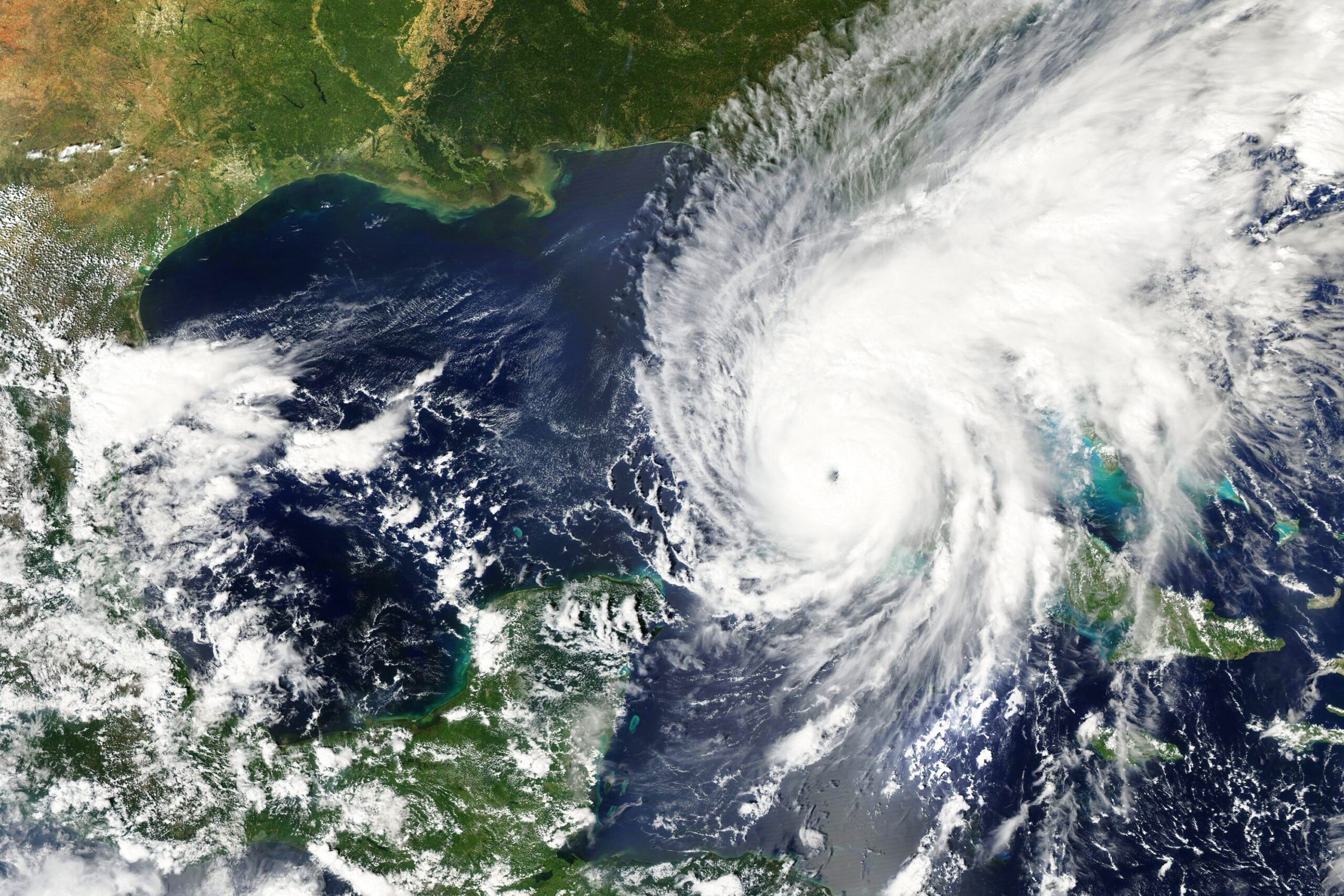
UN weather org predicts busy hurricane season
Share on LinkedinShare on WhatsApp

Insurance helps you avoid financial catastrophe if a hurricane strikes your home. But you may be surprised to learn there’s no such thing as a hurricane insurance policy. Hurricane insurance usually refers to a combination of home, flood, and windstorm coverages that each come into play depending on the type of hurricane damage.

If you live somewhere with frequent hurricanes, having home insurance isn’t enough. A standard home insurance policy doesn’t cover flooding, a common cause of hurricane losses due to storm surge. Your policy may also exclude wind damage, depending on where you live.

What is hurricane insurance?

Hurricane insurance doesn’t technically exist, at least as a standalone policy. Usually, hurricane insurance refers to a patchwork of coverages, primarily homeowners insurance, flood insurance, and windstorm insurance (if wind damage is excluded by your policy) that kick in if a storm damages your home or personal property.

Most home insurance covers damage from rain and wind, but for protection from flood damage, you usually need separate flood insurance. If you live somewhere vulnerable to hurricanes, you may also need additional coverage for windstorm damage.

Private coverage vs. NFIP coverage

If you want a private flood insurance quote, you can contact insurers directly or work with an agent. Private flood insurance can be cheaper and offer higher coverage limits, but a private insurer can refuse to renew your policy or raise your rate substantially if it determines your property is at high risk of flooding. Also, forgoing an NFIP policy could mean you lose out on stable rates and cost-saving subsidies.

Learn more: How FEMA flood insurance works

Insurance deductibles for hurricanes

A home insurance deductible is the out-of-pocket cost you pay before coverage kicks in. In the following 19 states plus the District of Columbia, separate and distinct deductibles apply to damage from a named storm:

  1. Alabama
  2. Connecticut
  3. Delaware
  4. Florida
  5. Georgia
  6. Hawaii
  7. Louisiana
  8. Maine
  9. Maryland
  10. Massachusetts
  11. Mississippi
  12. New Jersey
  13. New York
  14. North Carolina
  15. Pennsylvania
  16. Rhode Island
  17. South Carolina
  18. Texas
  19. Virginia
  20. Washington, D.C.

In some other states, home insurance companies are allowed to charge separate hurricane deductibles. Insurers can also charge separate windstorm or wind/hail deductibles.

Named storm deductibles are frequently assessed as a percentage of the home’s value, often ranging from 1% to 10%, according to the National Association of Insurance Commissioners (NAIC). Suppose you have a 6% named storm deductible and your home is valued at $400,000. You’d be on the hook for $24,000 if a hurricane damaged your home before insurance would kick in.

You’ll also need to pay a deductible if you file a flood insurance claim. NFIP deductibles are usually between $1,000 and $10,000.

How much does hurricane insurance cost?

Your annual premiums for various types of hurricane coverage depend on a host of factors, but here are some typical costs from various sources:

  • Median cost of homeowners insurance for an HO-5 policy with $300,000 to $324,999 worth of dwelling coverage: $1,243, according to NAIC 2022 data
  • Typical cost of home insurance in states with separate hurricane or windstorm deductibles, according to The Zebra: $349 to $2,000+
  • Median cost of flood insurance through NFIP: $786

Learn more: How much is homeowners insurance? A guide to lowering costs.

Read the full article by Robin Hartill, CFP

Related Posts

How the Apparel Industry Could Refashion Itself with Sustainability in Mind
Environment

How the Apparel Industry Could Refashion Itself with Sustainability in Mind

Nature bonds program: unlocking funds for conservation and climate action
Environment

Uncovering economic potential through environmental stewardship

Replacing the “Take-Make-Waste” Model with Sustainable Supply Chains
Environment

Replacing the “Take-Make-Waste” Model with Sustainable Supply Chains

Trump announces trade truce following ‘amazing meeting’ with Xi
Environment

China buys 1 million tons of US soybeans ahead of Xi visit

Tech companies look to Argentina’s windswept Patagonia to build massive data centers
Environment

Tech companies look to Argentina’s windswept Patagonia to build massive data centers

‘Danger zone of extreme weather’: UN warns of supersized El Niño set to hit global economy and markets
Environment

‘Danger zone of extreme weather’: UN warns of supersized El Niño set to hit global economy and markets

Biden Bars Offshore Oil Drilling in US Atlantic and Pacific
Environment

The $3 trillion oil market has just gotten more accessible than ever: No longer a ‘rich man’s game’

Greenhushing is killing us: why companies must break their silence on climate change
Environment

Greenhushing is killing us: why companies must break their silence on climate change

Woodside scraps clean energy target, posts 7% first-half profit rise
Environment

Woodside scraps clean energy target, posts 7% first-half profit rise

Canada’s oil producers target late 2027 for Pathways carbon capture decision
Environment

Canada’s oil producers target late 2027 for Pathways carbon capture decision

No Result
View All Result

Recent Posts

  • How tech firms should address job concerns and skill development
  • The Mysterious Process of Human Learning That Machines Can’t Copy
  • Oil sits near two-week low as diesel hits record high
  • Fed warns inflation could be ‘notably’ higher after rate hike
  • GM CEO Mary Barra to attend White House dinner for Xi

Archives

Categories

  • Art & Culture
  • Business
  • CEO Interviews
  • CEO Life
  • Editor´s Choice
  • Entrepreneur
  • Environment
  • Food
  • Health
  • Highlights
  • Industry
  • Innovation
  • Issues
  • Management & Leadership
  • News
  • Opinion
  • PrimeZone
  • Printed Version
  • Technology
  • Travel
  • Uncategorized

Meta

  • Log in
  • Entries feed
  • Comments feed
  • WordPress.org

  • CONTACT
  • GENERAL ENQUIRIES
  • ADVERTISING
  • MEDIA KIT
  • DIRECTORY
  • TERMS AND CONDITIONS

Advertising –
advertising@ceo-na.com

110 Wall St.,
3rd Floor
New York, NY.
10005
USA
+1 2125 9933 0330

Avenida Chapultepec 480,
Floor 11
Mexico City
06700
MEXICO

  • News
  • CEO Interviews
  • Opinion
  • Technology
  • Environment
  • CEO Life

  • CONTACT
  • GENERAL ENQUIRIES
  • ADVERTISING
  • MEDIA KIT
  • DIRECTORY
  • TERMS AND CONDITIONS

Advertising –
advertising@ceo-na.com

110 Wall St.,
3rd Floor
New York, NY.
10005
USA
+1 2125 9933 0330

Avenida Chapultepec 480,
Floor 11
Mexico City
06700
MEXICO

CEO North America © 2024 - Sitemap

Welcome Back!

Login to your account below

Forgotten Password?

Retrieve your password

Please enter your username or email address to reset your password.

Log In
No Result
View All Result
  • Home
  • News
    • Business
    • Entrepreneur
    • Industry
    • Innovation
    • Management & Leadership
  • CEO Interviews
  • Opinion
  • Technology
  • Environment
  • CEO Life
    • Art & Culture
    • Food
    • Health
    • Travel

© 2026 JNews - Premium WordPress news & magazine theme by Jegtheme.