Tech companies charging ahead with artificial intelligence have a problem: AI’s rapid growth is colliding headlong with a finite amount of available energy and computing power.
AI is evolving beyond chatbots and into autonomous AI agents that demand far more computing power and electricity, leaving companies scrambling for more energy. OpenAI recently shuttered its video-generating app Sora, in part because it was gobbling up the company’s computational supplies.
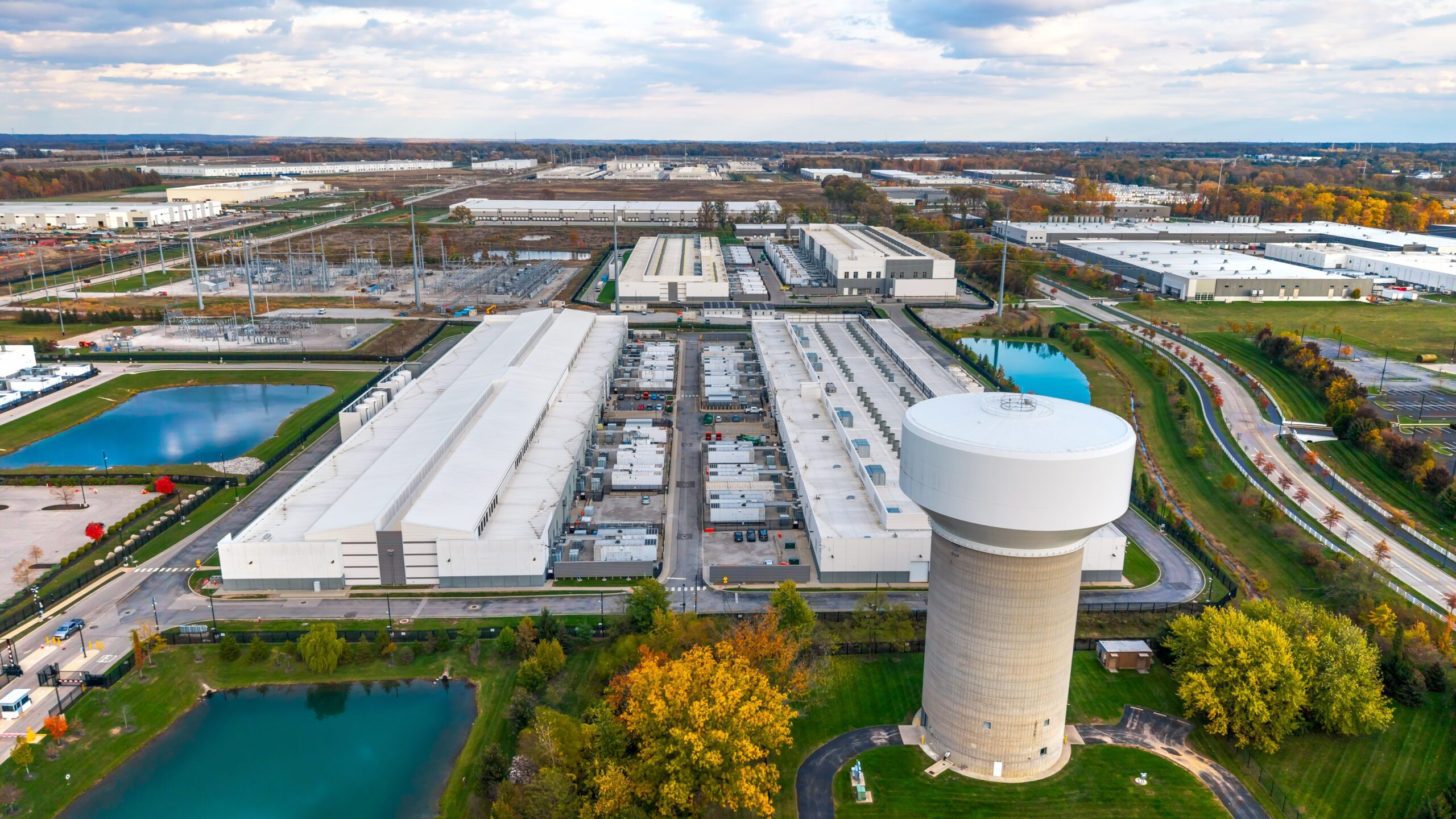
The data centers that make up the backbone of AI technology need loads of energy – both to keep their servers humming and to prevent overheating. But the United States’ electrical grid isn’t exactly up to the task of powering the 21st century economy. It’s old and janky – a loosely connected collection of three grids: East, West and Texas. Experts have long warned that it is outdated and ill-equipped to respond to everything from severe weather to AI’s insatiable new power demand.
“Basically, we have run out of headroom, largely speaking, in the US,” said Ben Hertz-Shargel, an expert on electrification and data centers at energy research firm Wood Mackenzie. “There is a land grab happening, where companies believe that access to more capacity for compute will be necessary to win the future battle over AI services.”
Companies like Microsoft, Amazon, Alphabet, and Meta are ramping up investments in data centers and electricity generation to power new AI models and services, betting that more energy will be needed to keep up with future AI-drive products. OpenAI last year warned the White House of an “electron gap” that puts US leadership in AI at risk, writing that “electrons are the new oil.”
Elon Musk, CEO of xAI, Tesla and SpaceX, said at the World Economic Forum in January that he expects that more chips will be produced than can be turned on because of power constraints.
A Google spokesperson told CNN that the current pace of energy growth is not yet meeting the potential of AI, and that the US needs to go all-in on energy development to keep pace.
Solutions to the power problem exist: increasing renewable energy and battery development, scaling up traditional energy sources like gas and nuclear power, and expanding the current energy grid’s capacity.
But they all face roadblocks, both politically and practically.
Potential solutions
The industry is lobbying at both the state and federal level for policies that accelerate permitting and maintain incentives for private sector investment, and the Trump administration recommended relaxing federal rules and expediting construction permits in an AI action plan last year.
But delivering more electric infrastructure is more easily said than done. The most immediate solution is getting more power out of the current electrical grid, experts said.
Both the Biden and Trump administrations threw federal dollars at ideas to modernize and expand the grid, including “re-conductoring,” which replaces existing transmission lines with ones that have greater capacity, allowing more electrical current to travel through them. It’s faster than building a new transmission line entirely, which could take seven to ten years to complete.
Data center companies are looking for spare power capacity at every electrical utility they can find, “including very non-traditional utilities and cooperatives whose doors have never been knocked on before,” Hertz-Shargel said.
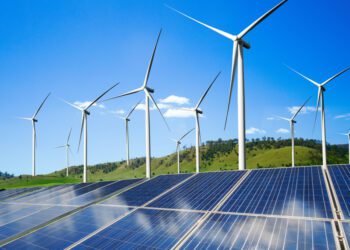
One answer could be renewable energy sources like wind and solar, which are often much cheaper and faster to build than the large turbines that are the backbone of the generators in gas-fired power plants. The manufacturers who build these turbines have their order books filled; current wait times for a new turbine are over five years.
But renewables have faced a one-two punch lately, with longer permitting times from the Trump administration combined with Republicans in Congress ending tax credits that would have made it cheaper to build them.
These changes “definitely killed perfectly good wind and solar projects that would have reduced energy prices,” said Andrew Levitt, a consultant focused on wholesale electricity at research firm Brattle. However, Levitt said he expected to see growth in renewable projects going forward because the sheer demand for electricity is so great.