Saturday, November 21, 2026
  • Login
CEO North America
  • Home
  • News
    • Business
    • Entrepreneur
    • Industry
    • Innovation
    • Management & Leadership
  • CEO Interviews
  • Opinion
  • Technology
  • Environment
  • CEO Life
    • Art & Culture
    • Food
    • Health
    • Travel
No Result
View All Result
  • Home
  • News
    • Business
    • Entrepreneur
    • Industry
    • Innovation
    • Management & Leadership
  • CEO Interviews
  • Opinion
  • Technology
  • Environment
  • CEO Life
    • Art & Culture
    • Food
    • Health
    • Travel
No Result
View All Result
CEO North America
No Result
View All Result

CEO NA Magazine > CEO Life > Environment > What will it take to free the 1,600 ships stuck in the Strait of Hormuz?

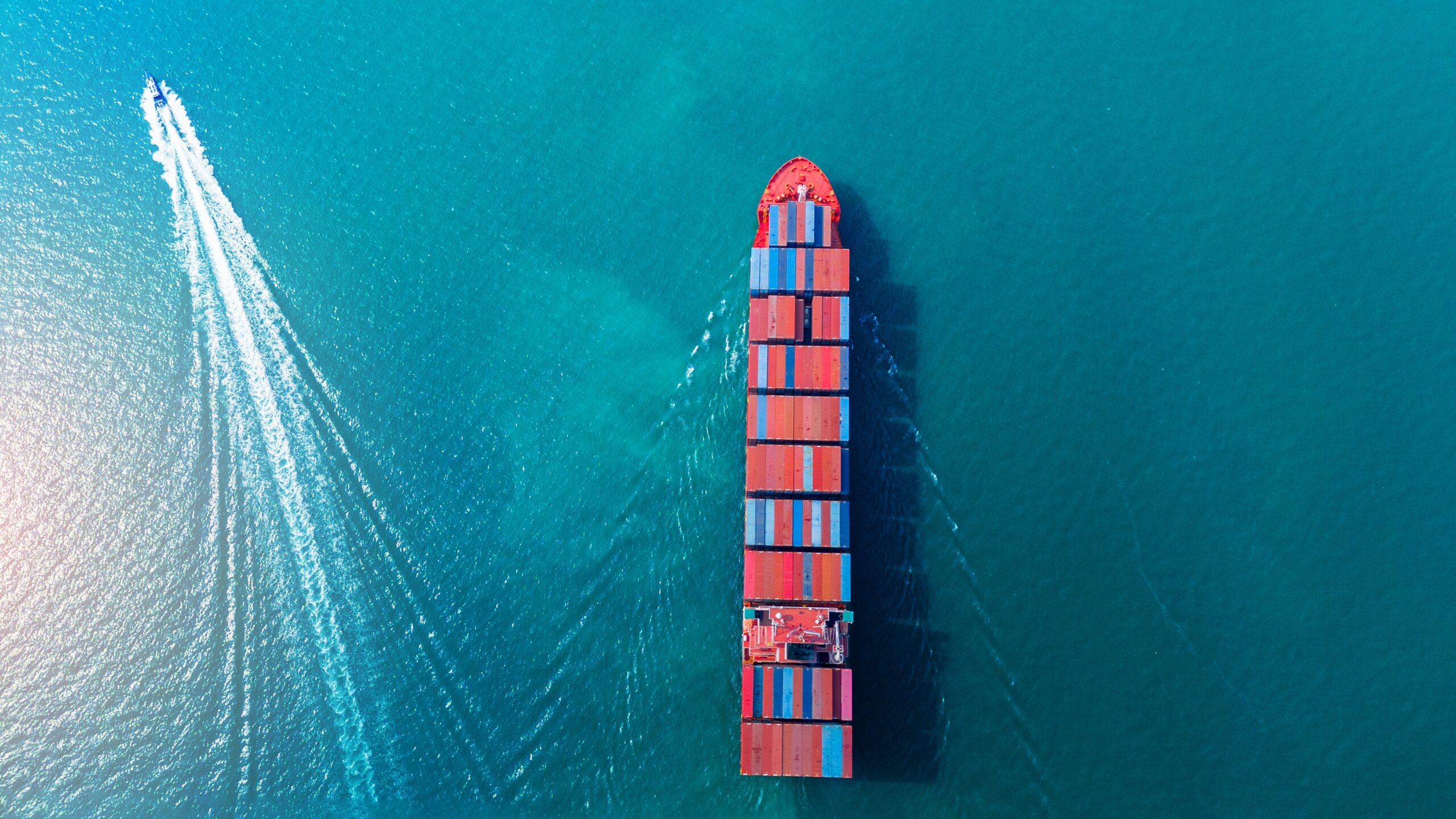
What will it take to free the 1,600 ships stuck in the Strait of Hormuz?

in Environment
What will it take to free the 1,600 ships stuck in the Strait of Hormuz?
Share on LinkedinShare on WhatsApp

For tens of thousands of seafarers on the 1,600 ships stuck in the Strait of Hormuz, “Project Freedom” was anything but.

President Donald Trump’s operation to “guide” ships through the strait lasted just 48 hours. Only two ships were guided through.

Now, shipping companies and stranded seafarers are again left without a safe way out, unwilling to bear the risk of transit. Despite the ceasefire, missiles continue to fly over the 21-mile waterway.

“Nothing short of a true peace accord that is demonstrated and proven will gain the confidence of the commercial shipping community,” said Gene Seroka, executive director of the Port of Los Angeles.

Seroka, who spent half a decade working for the major shipping company American President Lines in the Middle East, said he has not spoken to a single shipping executive willing to move their cargo and personal even alongside the US military.

For more than two months, shipping lines have been looking for windows to leave the strait. In normal times, 120 vessels move through the Strait of Hormuz every single day, with many ferrying 20% of the world’s oil supply.

Now letting ships leave would endanger both cargo and personnel. Any damage to a multimillion-dollar ship would set companies back financially and logistically. Insurers have wartime clauses in their contracts that do not require them to cover vessels stuck in the middle of a war. So, moving ships without that financial backing risks being extraordinarily costly.

The Trump administration called multiple shipping lines about “Project Freedom” to offer their service, Secretary Rubio said Tuesday. Few took them up on it.

Danish shipping giant Maersk confirmed Monday its ship was one of the two guided out by the US military. The vessel had been “unable to depart” the Persian Gulf since fighting broke out in February, the company told CNN in a statement.

A total of 10 vessels, including the two guided by the US military, passed through the Strait of Hormuz on Monday, according to S&P Global Commodities at Sea.

Hapag-Lloyd, another top shipping line, told CNN Wednesday it had been exploring using the US military to get its remaining four ships out of the strait before “Project Freedom” was paused.

“As the situation has changed again overnight, we need to see if and how it will work,” said Nils Haupt, senior director group communications, at Hapag-Lloyd.

Another attack on a container vessel overnight, this one resulting in injuries, highlights the continued risk, Haupt added.

Thirty-two ships have been hit with missiles since the beginning of the war, resulting in 10 deaths and at least a dozen injuries, according to the International Maritime Organization, or IMO.

The IMO continues to urge ships to “exercise maximum caution” and says that “naval escorts are not a sustainable long-term solution.”

The United States and Iran are getting closer to an agreement to end the war, a regional source familiar with negotiations told CNN on Wednesday. However, the Trump administration cautioned that talks have fallen apart at the last minute before.

After Trump announced the pause on “Project Freedom,” Iran said safe passage through the Strait of Hormuz is possible under “new procedures.” Iran launched the Persian Gulf Strait Authority that would regulate passage through the strait, including tolls, according to Iran’s state-owned Press TV.

The United States has previously warned that Iran does not have the authority to control the waterway.

Still, leaving the Strait of Hormuz, even with a US military guide, requires a “very specific assessment” for shipping companies, according to Seroka.

“They’re going to need a lot more confidence in the safety and security of passing through the straight before they take that step,” he said.


Read the full article by Vanessa Yurkevich / CNN

Related Posts

New ‘Toxic Hall of Shame’ includes Publix, Trader Joe’s and McDonald’s
Environment

New ‘Toxic Hall of Shame’ includes Publix, Trader Joe’s and McDonald’s

Amazon CEO’s annual letter expresses excitement about AI
Environment

Amazon to invest $7 billion in renewable energy in India

Smart manufacturing is sustainable manufacturing
Environment

Smart manufacturing is sustainable manufacturing

Not enough STEM women for green jobs: IMF
Environment

Young people are reimagining climate-resilient cities

Emission taxes may undermine corporate investment and do little for the environment
Environment

Mobilizing private capital for climate-driven growth

Cities aren’t waiting to act; they are outpacing their own governments on transitioning away from fossil fuels
Environment

Cities aren’t waiting to act; they are outpacing their own governments on transitioning away from fossil fuels

The Rush for Resources
Environment

The Rush for Resources

Greenhushing: When Firms Do More Than They Say
Environment

Greenhushing: When Firms Do More Than They Say

ESG: A comprehensive guide to the main principles
Environment

ESG: A comprehensive guide to the main principles

How to build an ethical corporate culture
Environment

How to build an ethical corporate culture

No Result
View All Result

Recent Posts

  • Why are we so obsessed with the ’90s?
  • U.S. Loses Measles-Free Status After 26 Years
  • Plane clapping – joyful or deeply cringe?
  • The 4 themes shaping new manufacturing
  • Anthropic’s total raised reaches $93.5 billion after underwriters’ greenshoe overallotment

Archives

Categories

  • Art & Culture
  • Business
  • CEO Interviews
  • CEO Life
  • Editor´s Choice
  • Entrepreneur
  • Environment
  • Food
  • Health
  • Highlights
  • Industry
  • Innovation
  • Issues
  • Management & Leadership
  • News
  • Opinion
  • PrimeZone
  • Printed Version
  • Technology
  • Travel
  • Uncategorized

Meta

  • Log in
  • Entries feed
  • Comments feed
  • WordPress.org

  • CONTACT
  • GENERAL ENQUIRIES
  • ADVERTISING
  • MEDIA KIT
  • DIRECTORY
  • TERMS AND CONDITIONS

Advertising –
advertising@ceo-na.com

110 Wall St.,
3rd Floor
New York, NY.
10005
USA
+1 2125 9933 0330

UK
Collingwood Buildings,
38 Collingwood Street,
Newcastle Upon Tyne
NE1 1JF

  • News
  • CEO Interviews
  • Opinion
  • Technology
  • Environment
  • CEO Life

  • CONTACT
  • GENERAL ENQUIRIES
  • ADVERTISING
  • MEDIA KIT
  • DIRECTORY
  • TERMS AND CONDITIONS

Advertising –
advertising@ceo-na.com

110 Wall St.,
3rd Floor
New York, NY.
10005
USA
+1 2125 9933 0330

UK
Collingwood Buildings,
38 Collingwood Street,
Newcastle Upon Tyne
NE1 1JF

CEO North America © 2024 - Sitemap

Welcome Back!

Login to your account below

Forgotten Password?

Retrieve your password

Please enter your username or email address to reset your password.

Log In
No Result
View All Result
  • Home
  • News
    • Business
    • Entrepreneur
    • Industry
    • Innovation
    • Management & Leadership
  • CEO Interviews
  • Opinion
  • Technology
  • Environment
  • CEO Life
    • Art & Culture
    • Food
    • Health
    • Travel

© 2026 JNews - Premium WordPress news & magazine theme by Jegtheme.