Saturday, July 4, 2026
  • Login
CEO North America
  • Home
  • News
    • Business
    • Entrepreneur
    • Industry
    • Innovation
    • Management & Leadership
  • CEO Interviews
  • Opinion
  • Technology
  • Environment
  • CEO Life
    • Art & Culture
    • Food
    • Health
    • Travel
No Result
View All Result
  • Home
  • News
    • Business
    • Entrepreneur
    • Industry
    • Innovation
    • Management & Leadership
  • CEO Interviews
  • Opinion
  • Technology
  • Environment
  • CEO Life
    • Art & Culture
    • Food
    • Health
    • Travel
No Result
View All Result
CEO North America
No Result
View All Result

CEO NA Magazine > CEO Life > Environment > How to oil-proof your life

How to oil-proof your life

in Environment
How to oil-proof your life
Share on LinkedinShare on WhatsApp

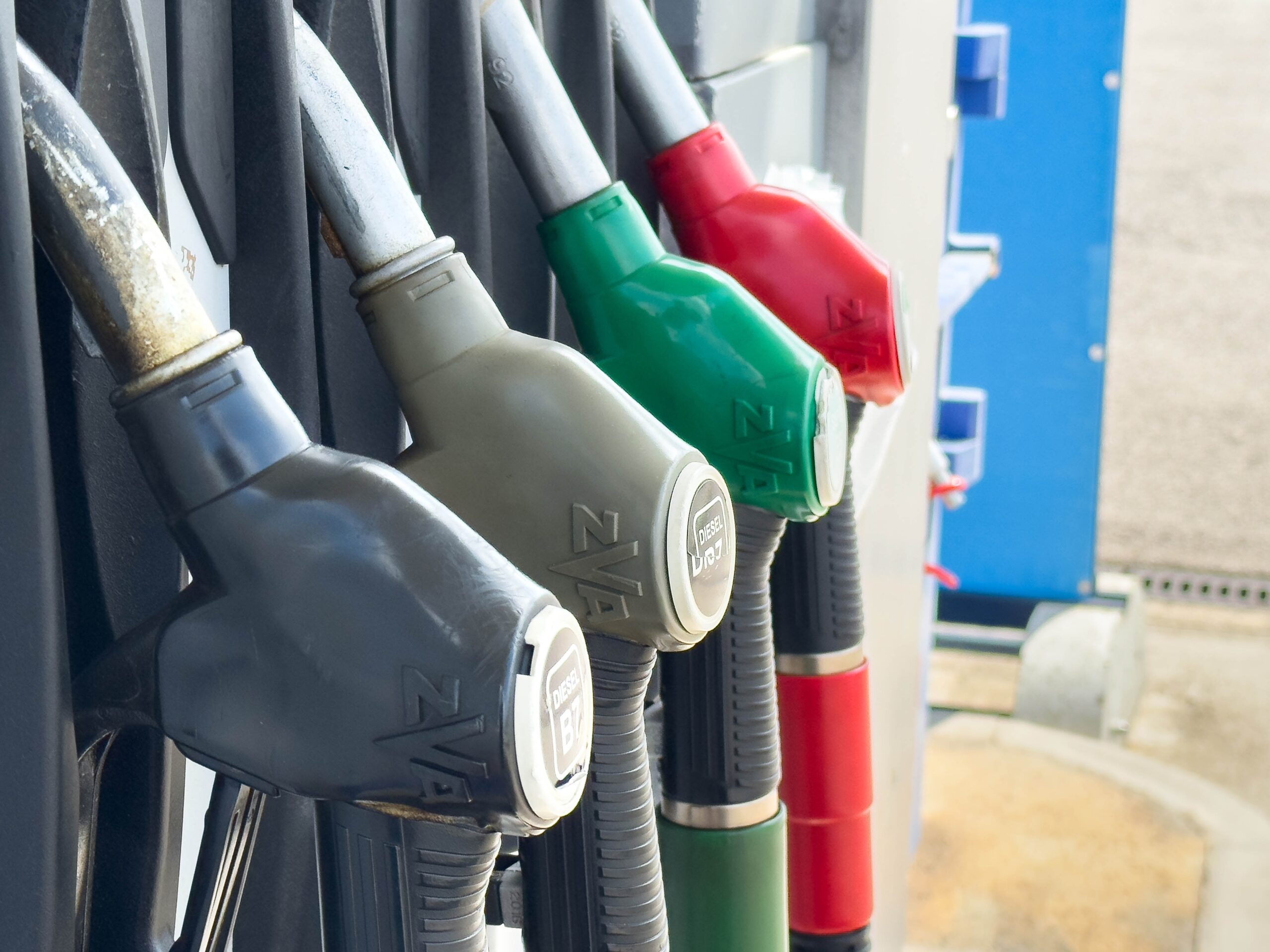
Gasoline prices are up more than 50% since the start of the war in Iran. Can average Americans protect themselves from those higher costs?

Not completely – oil is far too embedded into everyday life. For example, diesel-burning truck companies have imposed fuel surcharges to transport the goods Americans buy every day. Oil is also used to make the plastic containers for many of those items, as well as disposable cutlery, drink bottles and garbage bags.

But experts agree there are many ways, large and small, to reduce your oil and gasoline consumption – some of them surprisingly simple.

Slow down

This is the simplest thing most people can do, and the one that produces significant savings. Slowing down when you drive uses less gas and saves you money.

Reducing your driving speed on the highway from 75 mph to 55 mph leads the average gasoline-powered car to use 40% less gas, according to the Department of Energy. Exact savings can vary, but generally being a lead foot is costly.

Driving smarter on local streets rather than highways also improves fuel economy, as can avoiding “aggressive driving” such as rapid accelerations and hard braking, said Patrick De Haan, head of petroleum analysis for gas-shopping app GasBuddy.

Lastly, the simple act of making sure that your tires are full of air can save gas along with wear and tear. The Department of Energy estimates that drivers can reduce fuel use up to 3% by keeping tires properly inflated. Staying current on vehicle maintenance also improves fuel economy, De Haan said.

Plan ahead and take the bus

Reducing the number of weekly trips you make in a car obviously reduces the amount of fuel used, thus saving money.

That means planning ahead, combining errands and making fewer trips out to the same store during the course of week.

Bigger lifestyle changes can also reduce car trips. Carpooling, working from home and using public transit can all save what you spend on fuel, De Haan said.

Only about 4% of US commuters use public transit to commute to work, according to the Census Bureau. That’s less than the 9% who carpool and 13% who work from home.

Price shop

Shopping around for the best fuel price can also produce significant savings.

Hundreds of stations nationwide are selling gas for more than 50 cents above the average price in their county, often even $1 a gallon more, according to GasBuddy, which provides price data from nearby stations.

“Station prices can vary significantly even within a few miles,” De Haan said.

For drivers, it’s worth comparison shopping local stations to find the lowest price.

Buying a more fuel-efficient car

Buying an electric vehicle is the most extreme way to save on gas costs, even if it’s not an immediate option for everyone.

Millions of Americans buy cars every month. The current energy spike is making fuel economy a greater factor in those decisions, said Kathy Harris, director of clean vehicles, climate and energy for the National Resources Defense Council.

“We’re seeing Americans across the country really understand the benefits of transitioning to cleaner vehicles writ large. We are seeing traditional hybrid, which are more efficient vehicles, becoming more and more popular,” she said.

That interest ranges from plug-in hybrids, which allow drivers to use gas as a backup for longer trips, to pure electric vehicles, Harris added.

Charging at home saves people money. Even if you have to charge elsewhere, a full battery charge often costs less than filling up a tank of gas.

However, electrical rates are increasing across much of the country. And new EVs aren’t cheap, especially with the elimination of the $7,500 tax credit last year. Used EVs are a less expensive option, but prices are still significant.

The average price of a new EV is $56,300 according to car shopping site Edmunds. That’s above the $49,000 average price for new cars overall.

But for those able to make the change, better fuel economy will provide savings long after the current gas price spike.

“There’s a wide variety of different, cleaner options that will help to reduce our reliance on oil on a daily basis,” Harris said.


Read the full article by Chris Isidore / CNN

Related Posts

How Limitless Green Energy Would Change the World
Environment

The Importance of Sustainability Strategy in Business: Driving Environmental Change

Extreme heat is miserable and dangerous. It’s also making us age faster
Environment

Should you go to work during a heat wave? Your productivity suffers, and GDP tanks when it’s hot

Trump pledges rapid U.S. response for Venezuela after historic earthquakes kill dozens
Environment

Trump pledges rapid U.S. response for Venezuela after historic earthquakes kill dozens

Chevron to fuel massive Microsoft data center in Texas with natural gas
Environment

Chevron to fuel massive Microsoft data center in Texas with natural gas

Datacenter and crypto electricity use skyrocketing
Environment

Nearly 80% of data center capacity is at elevated risk to climate hazards like flooding and fire, study says

GM reshapes product strategy with plug-in hybrid EVs
Environment

GM eyes new battery chemistry to grow AI data center, energy storage business

Futures dip, oil prices climb as US plans to blockade the Strait of Hormuz
Environment

How the Strait of Hormuz standoff flipped the energy security debate

China is helping to cushion global oil prices below $100 — but analysts warn it won’t last
Environment

China is helping to cushion global oil prices below $100 — but analysts warn it won’t last

A strange paradox has taken hold of the global fashion industry
Environment

A strange paradox has taken hold of the global fashion industry

Starbucks aims away from disposable cups
Environment

US group says Starbucks plastic cups marked recyclable end up in trash

No Result
View All Result

Recent Posts

  • Oil prices stay steady ahead of the July 4 holiday weekend
  • Unemployment sits at 4.2% as US job growth slows in June
  • EU trade with the US reaches record high
  • Teaching the leadership skill AI can’t replace
  • Automakers concerned as US withdraws from USMCA trade agreement

Archives

Categories

  • Art & Culture
  • Business
  • CEO Interviews
  • CEO Life
  • Editor´s Choice
  • Entrepreneur
  • Environment
  • Food
  • Health
  • Highlights
  • Industry
  • Innovation
  • Issues
  • Management & Leadership
  • News
  • Opinion
  • PrimeZone
  • Printed Version
  • Technology
  • Travel
  • Uncategorized

Meta

  • Log in
  • Entries feed
  • Comments feed
  • WordPress.org

  • CONTACT
  • GENERAL ENQUIRIES
  • ADVERTISING
  • MEDIA KIT
  • DIRECTORY
  • TERMS AND CONDITIONS

Advertising –
advertising@ceo-na.com

110 Wall St.,
3rd Floor
New York, NY.
10005
USA
+1 212 432 5800

Avenida Chapultepec 480,
Floor 11
Mexico City
06700
MEXICO

  • News
  • CEO Interviews
  • Opinion
  • Technology
  • Environment
  • CEO Life

  • CONTACT
  • GENERAL ENQUIRIES
  • ADVERTISING
  • MEDIA KIT
  • DIRECTORY
  • TERMS AND CONDITIONS

Advertising –
advertising@ceo-na.com

110 Wall St.,
3rd Floor
New York, NY.
10005
USA
+1 212 432 5800

Avenida Chapultepec 480,
Floor 11
Mexico City
06700
MEXICO

CEO North America © 2024 - Sitemap

Welcome Back!

Login to your account below

Forgotten Password?

Retrieve your password

Please enter your username or email address to reset your password.

Log In
No Result
View All Result
  • Home
  • News
    • Business
    • Entrepreneur
    • Industry
    • Innovation
    • Management & Leadership
  • CEO Interviews
  • Opinion
  • Technology
  • Environment
  • CEO Life
    • Art & Culture
    • Food
    • Health
    • Travel

© 2026 JNews - Premium WordPress news & magazine theme by Jegtheme.