Tuesday, June 23, 2026
  • Login
CEO North America
  • Home
  • News
    • Business
    • Entrepreneur
    • Industry
    • Innovation
    • Management & Leadership
  • CEO Interviews
  • Opinion
  • Technology
  • Environment
  • CEO Life
    • Art & Culture
    • Food
    • Health
    • Travel
No Result
View All Result
  • Home
  • News
    • Business
    • Entrepreneur
    • Industry
    • Innovation
    • Management & Leadership
  • CEO Interviews
  • Opinion
  • Technology
  • Environment
  • CEO Life
    • Art & Culture
    • Food
    • Health
    • Travel
No Result
View All Result
CEO North America
No Result
View All Result

CEO NA Magazine > CEO Life > Environment > India is burning more coal as extreme heat and the Iran war squeeze energy supplies

India is burning more coal as extreme heat and the Iran war squeeze energy supplies

in Environment
India is burning more coal as extreme heat and the Iran war squeeze energy supplies
Share on LinkedinShare on WhatsApp

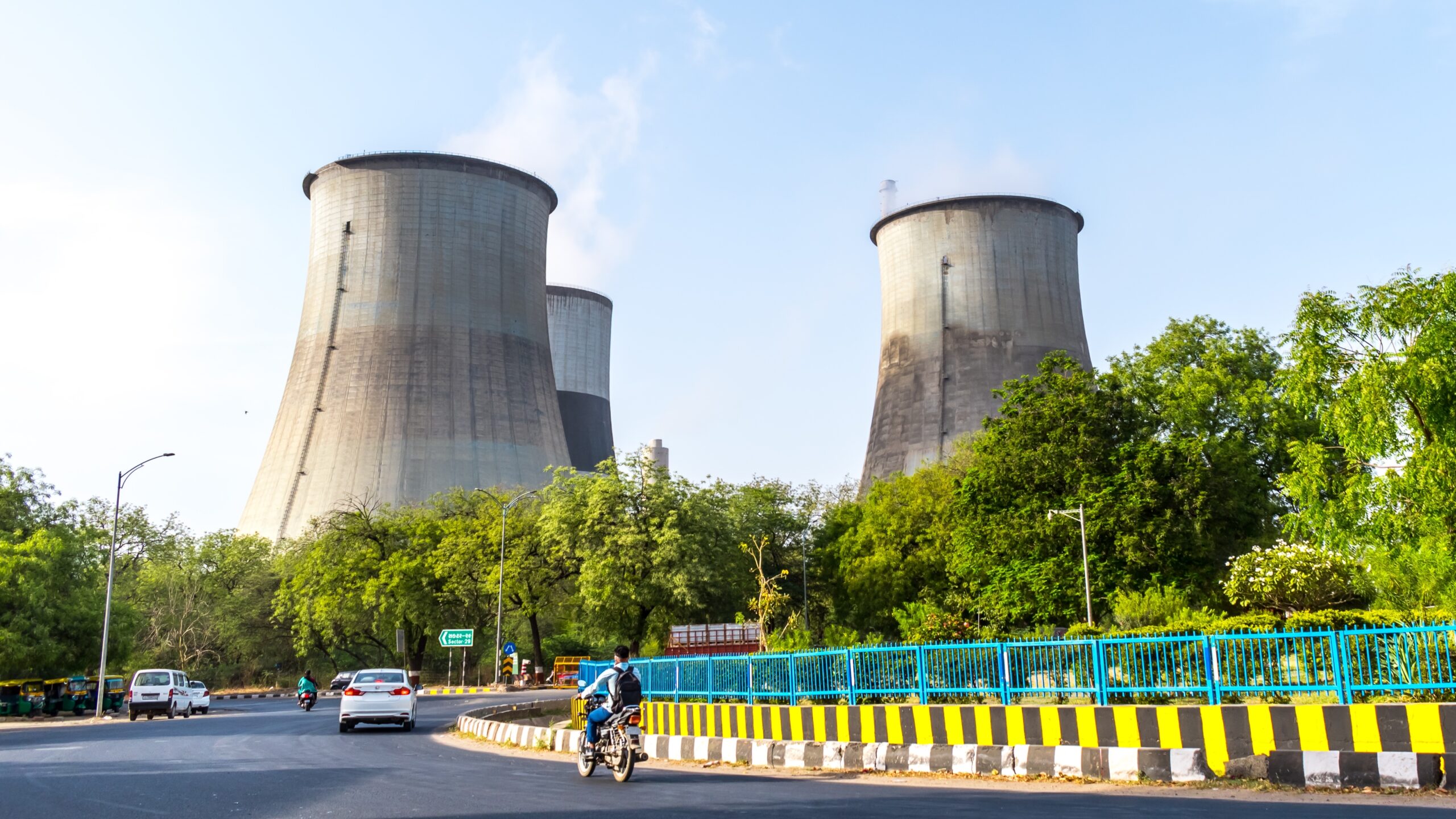
India, the world’s third-largest carbon dioxide emitter, is burning more coal as energy supply disruptions due to the Iran war and a nationwide heatwave have boosted demand for the dirty fuel.

More than 70% of India’s power is generated from coal-fired plants, and energy experts told CNBC that the share is expected to rise this year. 

In February, India announced that more than 52% of its total installed power generation capacity came from non-fossil fuel sources, with the majority coming from solar, hydropower and wind. Yet, coal-fired power plants, which account for nearly 43% of total generation capacity, remain the dominant source of energy.

Coal-fired power generation in India in April increased to 164.9 average gigawatts, compared with 160.7 average gigawatts last year, according to data shared by S&P Global Energy. According to the data, coal-fired power generation rose sequentially by 5.6 average gigawatts, or 3.5%, in April.

About 4% of India’s installed power generation capacity is gas-fired and runs on liquified natural gas, of which about 60% is imported through the Strait of Hormuz. 

Higher coal burn

The higher liquid natural gas prices have also made gas-based power generation economically unviable, said Girish Madan, director of corporate ratings at Fitch Ratings in Singapore. “So, coal-based power needs to share a higher burden in these peak summer months,” he added.

Electricity demand in India is rising as temperatures surge amid heatwaves. On April 27, data compiled by New Delhi-based air quality and temperature monitoring platform AQI showed that all 50 of the world’s hottest cities were in India.

“Heatwave conditions, with readings above 40-45 degrees C (Celsius), across several places in India have lifted power demand,” Andre Lambine, lead APAC short-term power and renewables research at S&P Global Energy, told CNBC in an email.

He added that while gas-fired generation rebounded in the last weeks of April, it remains “1.5 average gigawatts below 2025 levels, underscoring the continued displacement of gas by coal in the power mix.”

If the El Niño climate effect develops, there could be a “potential growth of 10% year over year for coal-fired power generation in India,” he said.

India is expected to experience relatively higher temperatures this month, which could result in “heat wave conditions across parts of Northwest, Central and West India, along with the East Coast,” the government said in a release on May 2.

While demand for coal is primarily driven by the power sector, other industries are also leaning on the fossil fuel, said Firat Ergene, lead Insights analyst for coal, petcoke, and cement at Kpler.

Additional demand is coming from industries such as cement producers, he told CNBC.

Supplies of petroleum coke, which is burned as fuel, have been disrupted by the Middle East conflict, pushing prices higher. This has prompted cement companies to substitute petcoke with coal, Ergene explained.

Last month, India vowed to reduce the emissions intensity of its economy by 47% by 2035, in line with its goal to become a net-zero country by 2070. India is the world’s third-highest emitter of carbon dioxide, after China and the U.S.

While India’s carbon dioxide emissions are still rising, the growth rate last year was the slowest in more than two decades, according to an analysis by the Center for Research on Energy and Clean Air, a policy think tank.


Read the full article by Priyanka Salve / CNBC

Related Posts

Chevron to fuel massive Microsoft data center in Texas with natural gas
Environment

Chevron to fuel massive Microsoft data center in Texas with natural gas

Datacenter and crypto electricity use skyrocketing
Environment

Nearly 80% of data center capacity is at elevated risk to climate hazards like flooding and fire, study says

GM reshapes product strategy with plug-in hybrid EVs
Environment

GM eyes new battery chemistry to grow AI data center, energy storage business

Futures dip, oil prices climb as US plans to blockade the Strait of Hormuz
Environment

How the Strait of Hormuz standoff flipped the energy security debate

China is helping to cushion global oil prices below $100 — but analysts warn it won’t last
Environment

China is helping to cushion global oil prices below $100 — but analysts warn it won’t last

A strange paradox has taken hold of the global fashion industry
Environment

A strange paradox has taken hold of the global fashion industry

Starbucks aims away from disposable cups
Environment

US group says Starbucks plastic cups marked recyclable end up in trash

G7 strikes deal to shut down coal-fired power plants
Environment

A Concrete Step Toward Reducing Industrial Carbon Emissions

Datacenter and crypto electricity use skyrocketing
Environment

Are data centers pushing grid costs onto consumers?

What previous Super El Niños can tell us about the next one
Environment

What previous Super El Niños can tell us about the next one

No Result
View All Result

Recent Posts

  • Trump signs order to development ‘commercially relevant’ quantum computer by 2028
  • At Nestlé, the supply chain mission hasn’t changed—but the world has
  • Chevron to fuel massive Microsoft data center in Texas with natural gas
  • Getty Images surges 145% on OpenAI deal
  • Domino’s announces succession plan, appoints COO Joe Jordan as new CEO

Archives

Categories

  • Art & Culture
  • Business
  • CEO Interviews
  • CEO Life
  • Editor´s Choice
  • Entrepreneur
  • Environment
  • Food
  • Health
  • Highlights
  • Industry
  • Innovation
  • Issues
  • Management & Leadership
  • News
  • Opinion
  • PrimeZone
  • Printed Version
  • Technology
  • Travel
  • Uncategorized

Meta

  • Log in
  • Entries feed
  • Comments feed
  • WordPress.org

  • CONTACT
  • GENERAL ENQUIRIES
  • ADVERTISING
  • MEDIA KIT
  • DIRECTORY
  • TERMS AND CONDITIONS

Advertising –
advertising@ceo-na.com

110 Wall St.,
3rd Floor
New York, NY.
10005
USA
+1 212 432 5800

Avenida Chapultepec 480,
Floor 11
Mexico City
06700
MEXICO

  • News
  • CEO Interviews
  • Opinion
  • Technology
  • Environment
  • CEO Life

  • CONTACT
  • GENERAL ENQUIRIES
  • ADVERTISING
  • MEDIA KIT
  • DIRECTORY
  • TERMS AND CONDITIONS

Advertising –
advertising@ceo-na.com

110 Wall St.,
3rd Floor
New York, NY.
10005
USA
+1 212 432 5800

Avenida Chapultepec 480,
Floor 11
Mexico City
06700
MEXICO

CEO North America © 2024 - Sitemap

Welcome Back!

Login to your account below

Forgotten Password?

Retrieve your password

Please enter your username or email address to reset your password.

Log In
No Result
View All Result
  • Home
  • News
    • Business
    • Entrepreneur
    • Industry
    • Innovation
    • Management & Leadership
  • CEO Interviews
  • Opinion
  • Technology
  • Environment
  • CEO Life
    • Art & Culture
    • Food
    • Health
    • Travel

© 2026 JNews - Premium WordPress news & magazine theme by Jegtheme.