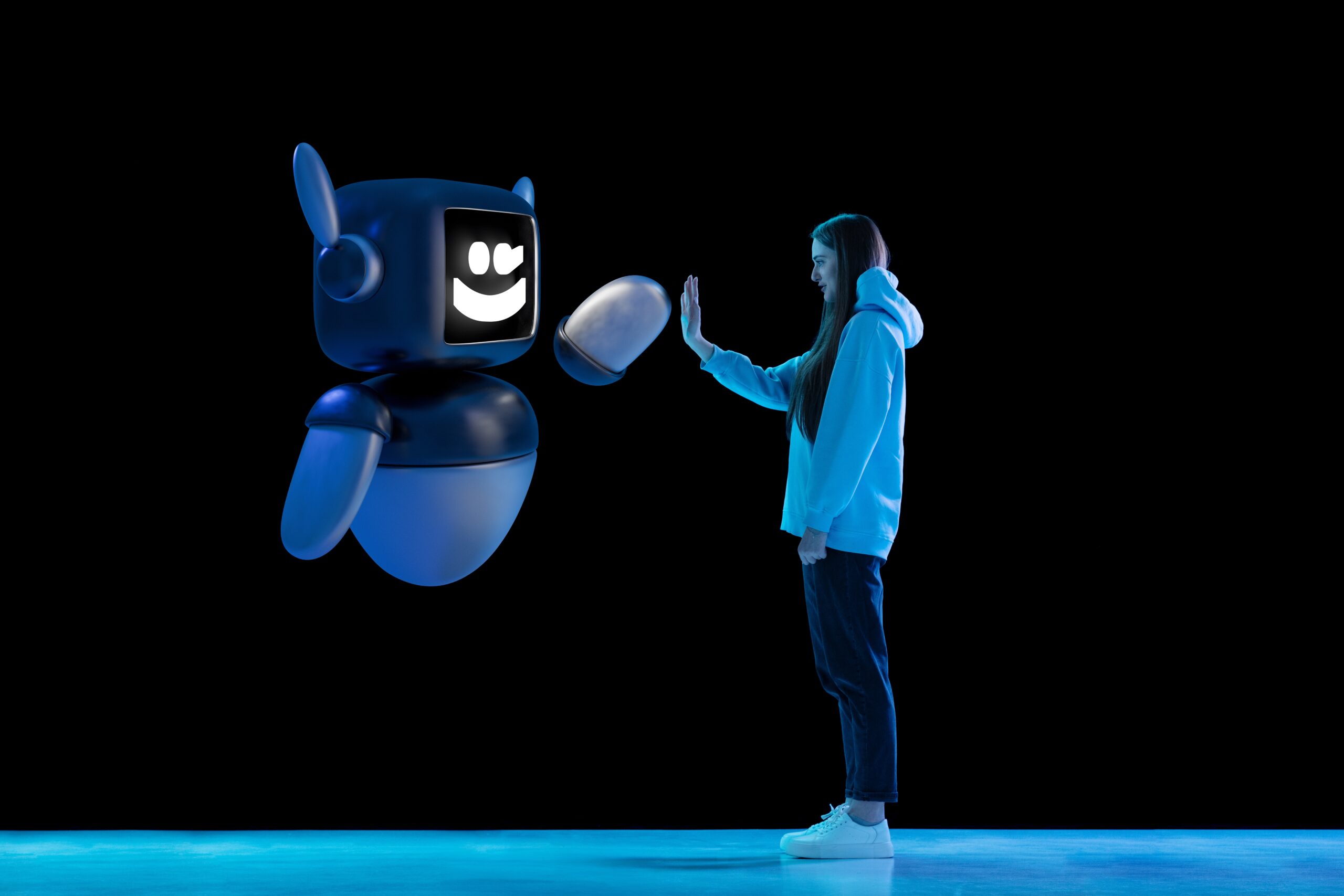
Say everyone had a best friend who was always available, never judgmental, totally on the same page about everything and needed nothing in return. Wouldn’t that solve the loneliness so many people are facing?
No, experts say. In fact, having a best friend like that might make things much worse.
That potential “BFF” already exists in artificial intelligence — a technology that Meta CEO Mark Zuckerberg suggested last year could help fix feelings of loneliness and isolation. This is a problem that needs solving.
The World Health Organization made loneliness a global health priority in 2023. The US Surgeon General called loneliness a national epidemic the same year. And the crisis is a public health issue, as research has found that people who experience social isolation had a 32% higher risk of dying early compared with those who do not.
In this week’s episode of CNN’s “Kara Swisher Wants to Live Forever,” airing at 9 p.m. ET Saturday, May 9, Swisher digs deeper into the impact loneliness has on longevity, the ways people can feel more connected, and whether AI is helping or harming efforts toward less social isolation.
Swisher, a journalist, gave both AI companionship and analog relationship building a try in this week’s episode. Spoiler: AI had its draw but was no match for what she experienced in person.
“Social media was a gateway drug to AI companionship,” said Dr. Sherry Turkle, the Abby Rockefeller Mauzé Professor of the Social Studies of Science and Technology at the Massachusetts Institute of Technology. “First, we talked to each other through machines. Now we talk directly to machines. We became accustomed to looking to a screen for attachment.”
AI: The illusion of a friend
It makes sense that people feeling lonely, isolated or disconnected are tempted to reach toward a machine trained to interact like a human.
Not everyone feels drawn to AI. The problem is that those most at risk are the ones who are already the loneliest, said Dr. Rose Guingrich, a researcher on human and AI interaction who earned a doctorate in psychology and social policy from Princeton University this year.
People who feel fulfilled in their relationships generally can see AI chatbots as a tool that they can take or leave, but people who have a strong desire for more quality emotional connections tend to report a greater attachment to this technology and a bigger impact on their real life, Guingrich said.
For those looking for more or deeper relationships, fear of judgment or backlash can be a powerful force keeping people from interacting socially with others, Guingrich said. Someone else could disagree, get offended or think less of you depending on how an exchange goes.
That risk shrinks when having what feels an awful lot like a conversation with a chatbot.
How real a user thinks these interactions are can vary, Guingrich said. Some people know that there is no human on the other side but say that the simulation of connection and understanding is enough. Others can be convinced that the algorithm they are speaking to has an emotional experience to which they can connect.
“People report developing things that look akin to real human friendships, mentorships and romantic partnerships, and feel as though their AI chatbot loves them back,” Guingrich said.
People may feel like they love AI, but it doesn’t love them back.
Read the full article by Madeline Holcombe / CNN