Wednesday, April 29, 2026
  • Login
CEO North America
  • Home
  • News
    • Business
    • Entrepreneur
    • Industry
    • Innovation
    • Management & Leadership
  • CEO Interviews
  • Opinion
  • Technology
  • Environment
  • CEO Life
    • Art & Culture
    • Food
    • Health
    • Travel
No Result
View All Result
  • Home
  • News
    • Business
    • Entrepreneur
    • Industry
    • Innovation
    • Management & Leadership
  • CEO Interviews
  • Opinion
  • Technology
  • Environment
  • CEO Life
    • Art & Culture
    • Food
    • Health
    • Travel
No Result
View All Result
CEO North America
No Result
View All Result

CEO NA Magazine > CEO Life > Environment > Should you be worried about the ‘Insect Apocalypse’?

Should you be worried about the ‘Insect Apocalypse’?

in Environment
Should you be worried about the ‘Insect Apocalypse’?
Share on LinkedinShare on WhatsApp

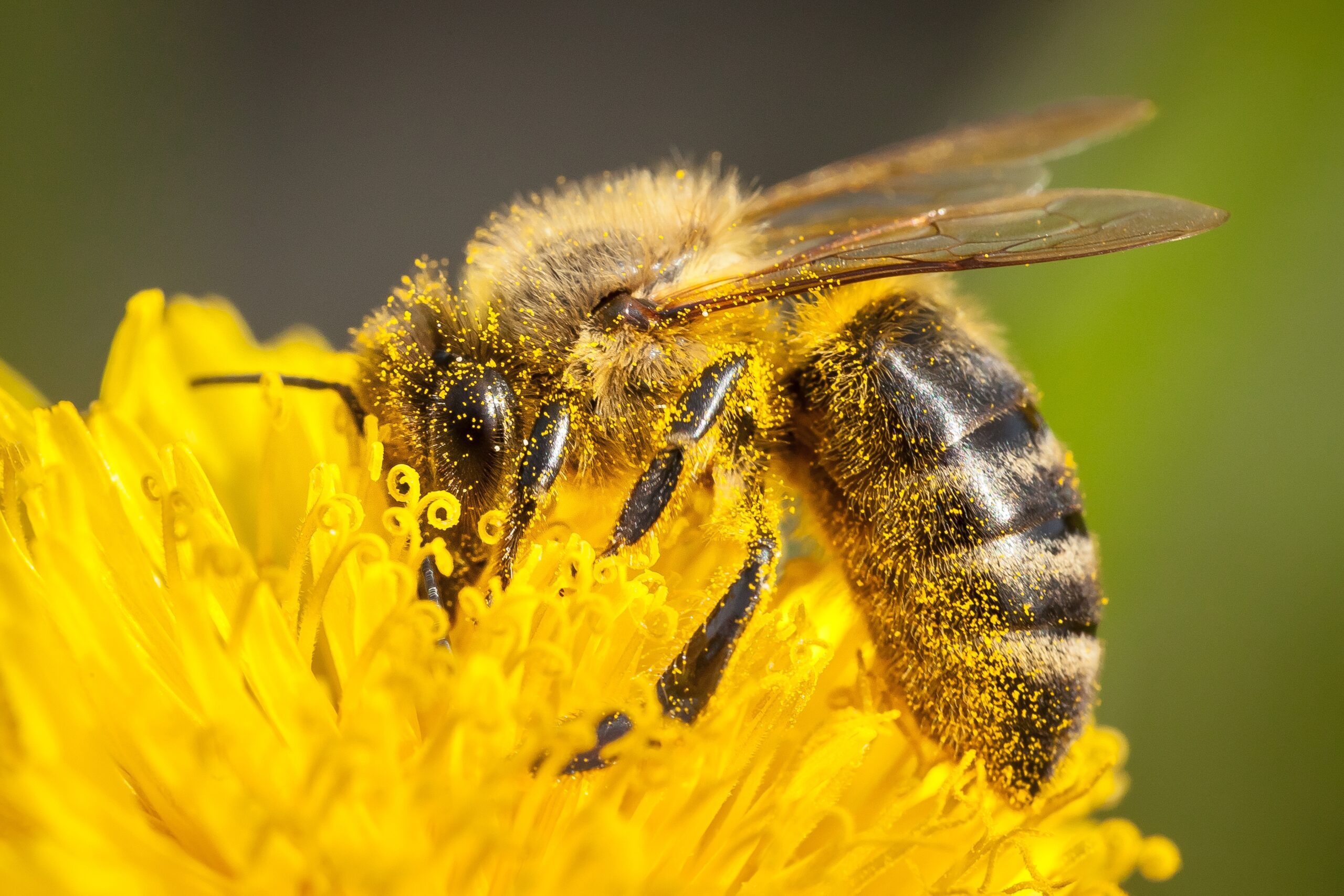
Step outside on a summer day, and you might notice something missing: fewer bees buzzing between blossoms, fewer butterflies drifting above gardens, even fewer bugs splattering your windshield on long summer drives. 

What was once an inevitable part of the season, the constant hum and flutter of insect life, has quietly faded to an eerie silence in recent years. 

Scientists have also been noticing and documenting this shift, and they’ve discovered that around the world, insect populations are plummeting. 

One study in Germany found that flying insect biomass has declined by more than 75% over just a few decades. In the U.S., butterfly numbers have dropped dramatically, with some monarch butterfly populations declining by 95%. Nearly a quarter of the 4,000 native wild bee species in America are inching toward extinction. And these are just the species we’ve been able to accurately measure.

This isn’t just a biodiversity issue. It’s a bona fide ecological crisis. Insects form the foundation of food webs. They pollinate our crops, feed birds and fish, break down organic matter and even help aerate soil. When insects suffer, the ripple effects can be seen in the populations of other species, the makeup of nearby meadows, and even the health of entire ecosystems. Without insects, food chains unravel, crops become more expensive, and the entire natural world grows quieter and less diverse.

One cause of insect decline stands out above the rest 

There’s no single factor behind the “insect apocalypse.” Habitat loss, climate change, invasive species and pollution all play major roles in their decline. But one cause in particular stands out for just how widespread, harmful and often unnecessary it has proven to be. And that is neonicotinoid pesticides.

Neonicotinoids, known as neonics for short, are pesticides designed to attack the nervous systems of insects. They’re used heavily in gardening, landscaping and agriculture—in fact, today, an estimated 160 million acres of American farmland are being treated by these toxic chemicals. These pesticides are so harmful that they are largely responsible for a 48-fold increase in the toxicity of American farmlandssince neonics’ widespread commercial introduction in the 1980s.

So why are neonics so harmful? Well, neonics don’t just kill pests. They impair bees’ ability to fly, feed and navigate back to their hives. They harm butterflies, beetles and even aquatic insects when the chemicals leach into nearby streams. And they can linger in the soil and plants for years, meaning their impact spreads far beyond when and where they’re first applied.

Neonics are also often used to coat seeds, with 70-80% of corn, soy and cotton seeds being covered in these pesticides. Unlike spraying, this allows the chemicals to soak into the plant’s tissue, meaning the whole plant—roots, leaves, pollen and nectar—can become toxic to insects. This is especially problematic for bees, who may bring contaminated nectar or pollen back to their hive, exposing other bees and their young to these deadly toxins.  

While pollinators like bees get the most attention, the damage neonics cause extends across species. From moths to mayflies, dragonflies to wasps, many unsung facilitators of healthy ecosystems are being swept away by these deadly pesticides. And when invasive species, disease, climate change and habitat loss are also present, exposure to even small doses of neonics can push individuals, and even entire species, to the breaking point.

Read the full article by Steve Blackledge / Environment America

Related Posts

The stunning underwater world that’s at risk as the Iran war drags on
Environment

The stunning underwater world that’s at risk as the Iran war drags on

There are fixes for AI’s toll on the power grid. Here’s why they’re not happening
Environment

There are fixes for AI’s toll on the power grid. Here’s why they’re not happening

Biden announces offshore wind rights sale in Gulf of Mexico
Environment

France’s Engie discussing refund for US offshore wind projects with Trump administration

Chef José Andrés warns war-driven inflation will cause a larger world hunger problem
Environment

Chef José Andrés warns war-driven inflation will cause a larger world hunger problem

Jet fuel shock from Iran war worsens crisis for global airlines
Environment

Jet fuel shock from Iran war worsens crisis for global airlines

‘The thaw is real’: Indian delegation visits China to talk EVs and more
Environment

‘The thaw is real’: Indian delegation visits China to talk EVs and more

What to know about the 4 people launching to make history around the moon
Environment

What to know about the 4 people launching to make history around the moon

The shift from oil isn’t just about being ‘green’ anymore. It’s a massive power move for national security.
Environment

The shift from oil isn’t just about being ‘green’ anymore. It’s a massive power move for national security.

CEO NA opens the bonnet to understand the latest state of play at Musk’s Tesla
Environment

Tesla Says Semi Battery Is ‘Designed To Last A Million Miles’

White House to pay TotalEnergies $1 billion to kill off East Coast wind farm projects
Environment

White House to pay TotalEnergies $1 billion to kill off East Coast wind farm projects

No Result
View All Result

Recent Posts

  • U.S. trade deficit widens as imports increase
  • Lululemon founder speaks out against new CEO appointment
  • Yum Brands reports solid Q1 driven by Taco Bell sales
  • AI in Family Offices
  • What Gen Z really wants: Rethinking commitment

Archives

Categories

  • Art & Culture
  • Business
  • CEO Interviews
  • CEO Life
  • Editor´s Choice
  • Entrepreneur
  • Environment
  • Food
  • Health
  • Highlights
  • Industry
  • Innovation
  • Issues
  • Management & Leadership
  • News
  • Opinion
  • PrimeZone
  • Printed Version
  • Technology
  • Travel
  • Uncategorized

Meta

  • Log in
  • Entries feed
  • Comments feed
  • WordPress.org

  • CONTACT
  • GENERAL ENQUIRIES
  • ADVERTISING
  • MEDIA KIT
  • DIRECTORY
  • TERMS AND CONDITIONS

Advertising –
advertising@ceo-na.com

110 Wall St.,
3rd Floor
New York, NY.
10005
USA
+1 212 432 5800

Avenida Chapultepec 480,
Floor 11
Mexico City
06700
MEXICO

  • News
  • CEO Interviews
  • Opinion
  • Technology
  • Environment
  • CEO Life

  • CONTACT
  • GENERAL ENQUIRIES
  • ADVERTISING
  • MEDIA KIT
  • DIRECTORY
  • TERMS AND CONDITIONS

Advertising –
advertising@ceo-na.com

110 Wall St.,
3rd Floor
New York, NY.
10005
USA
+1 212 432 5800

Avenida Chapultepec 480,
Floor 11
Mexico City
06700
MEXICO

CEO North America © 2024 - Sitemap

Welcome Back!

Login to your account below

Forgotten Password?

Retrieve your password

Please enter your username or email address to reset your password.

Log In
No Result
View All Result
  • Home
  • News
    • Business
    • Entrepreneur
    • Industry
    • Innovation
    • Management & Leadership
  • CEO Interviews
  • Opinion
  • Technology
  • Environment
  • CEO Life
    • Art & Culture
    • Food
    • Health
    • Travel

© 2026 JNews - Premium WordPress news & magazine theme by Jegtheme.