Friday, June 26, 2026
  • Login
CEO North America
  • Home
  • News
    • Business
    • Entrepreneur
    • Industry
    • Innovation
    • Management & Leadership
  • CEO Interviews
  • Opinion
  • Technology
  • Environment
  • CEO Life
    • Art & Culture
    • Food
    • Health
    • Travel
No Result
View All Result
  • Home
  • News
    • Business
    • Entrepreneur
    • Industry
    • Innovation
    • Management & Leadership
  • CEO Interviews
  • Opinion
  • Technology
  • Environment
  • CEO Life
    • Art & Culture
    • Food
    • Health
    • Travel
No Result
View All Result
CEO North America
No Result
View All Result

CEO NA Magazine > CEO Life > Environment > Growing amounts of coral are being smuggled into the U.S.

Growing amounts of coral are being smuggled into the U.S.

in Environment
Growing amounts of coral are being smuggled into the U.S.
Share on LinkedinShare on WhatsApp

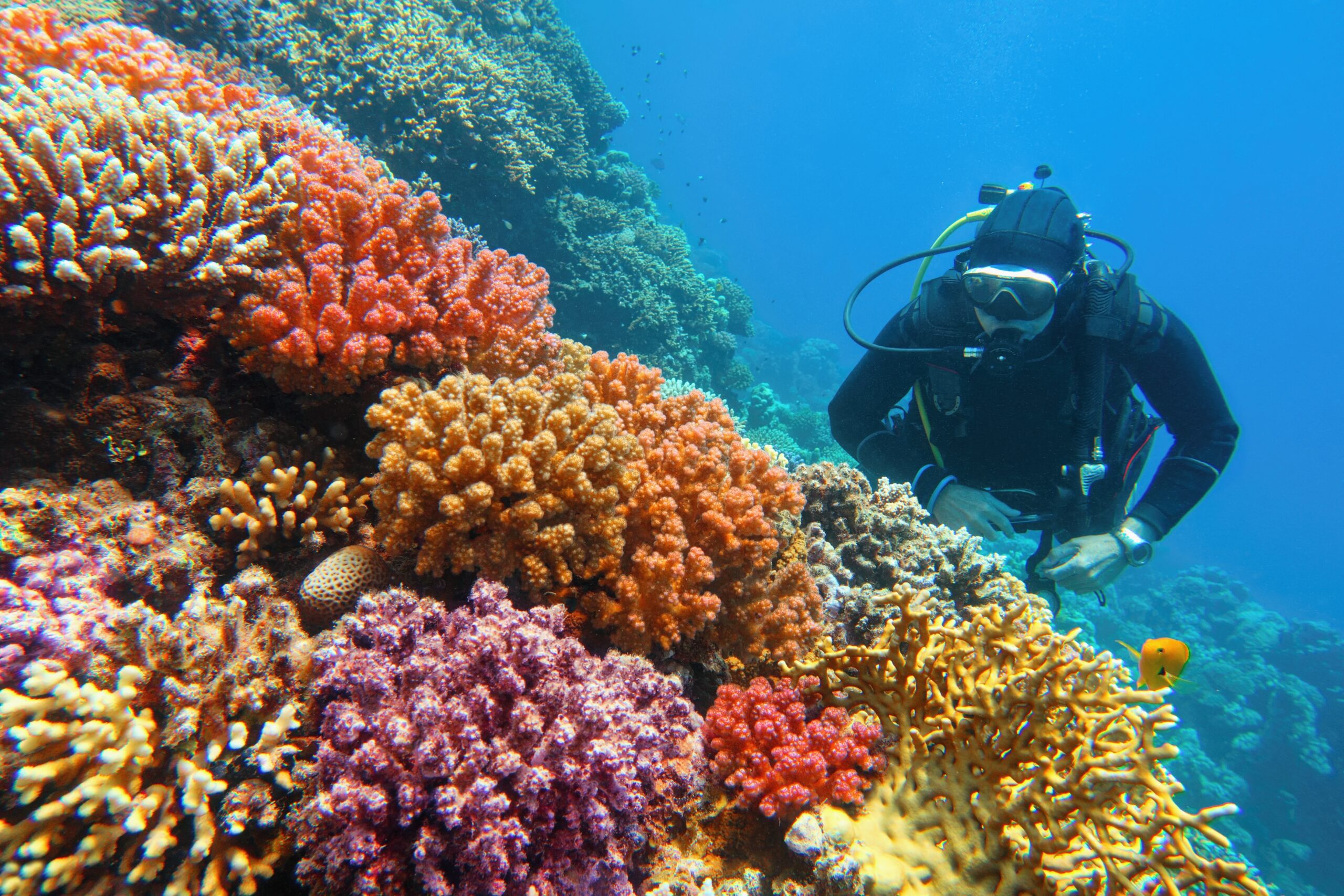
U.S. officials are seizing larger amounts of coral—not a plant, but a colony of tiny invertebrates that make up the base of tropical reefs globally—as marine life traffickers chip off pieces from locations like the Caribbean or Australia and ship them in baggies of saltwater across the world. The U.S. is the No. 1 market for marine corals.

Most coral is shipped into America legally; however, an increasing number of coral species or quantities that are banned from trade or restricted are been tucked into shipments of legal species. Between 1999 and 2018, coral made up 14.6% of all wildlife seizures, making it the third-most confiscated group. The coral is often sold to buyers who may or may not know that the marine life was acquired illegally.

More than 25 coral species are considered endangered or threatened and are protected by the federal Endangered Species Act. Additionally, the Convention on International Trade in Endangered Species of Wild Fauna and Flora prohibits the trade of approximately 1,900 coral species worldwide. When the coral reaches its destination, it’s often sick or has already died.

Last year, the U.S. Fish and Wildlife Service launched the Wildlife Confiscations Network in Southern California that triages and nurtures the illegal coral. It has 26 facilities and has processed around 2,800 animals, including coral, as part of more than 70 legal cases.


Tags: Convention on International Trade in Endangered Species of Wild Fauna and FloraCoralEndangered Species ActEnvironmentU.S. Fish and Wildlife ServiceWildlife Confiscations Network

Related Posts

Trump pledges rapid U.S. response for Venezuela after historic earthquakes kill dozens
Environment

Trump pledges rapid U.S. response for Venezuela after historic earthquakes kill dozens

Chevron to fuel massive Microsoft data center in Texas with natural gas
Environment

Chevron to fuel massive Microsoft data center in Texas with natural gas

Datacenter and crypto electricity use skyrocketing
Environment

Nearly 80% of data center capacity is at elevated risk to climate hazards like flooding and fire, study says

GM reshapes product strategy with plug-in hybrid EVs
Environment

GM eyes new battery chemistry to grow AI data center, energy storage business

Futures dip, oil prices climb as US plans to blockade the Strait of Hormuz
Environment

How the Strait of Hormuz standoff flipped the energy security debate

China is helping to cushion global oil prices below $100 — but analysts warn it won’t last
Environment

China is helping to cushion global oil prices below $100 — but analysts warn it won’t last

A strange paradox has taken hold of the global fashion industry
Environment

A strange paradox has taken hold of the global fashion industry

Starbucks aims away from disposable cups
Environment

US group says Starbucks plastic cups marked recyclable end up in trash

G7 strikes deal to shut down coal-fired power plants
Environment

A Concrete Step Toward Reducing Industrial Carbon Emissions

Datacenter and crypto electricity use skyrocketing
Environment

Are data centers pushing grid costs onto consumers?

No Result
View All Result

Recent Posts

  • How Forced Labor Scrutiny Shapes Supply Chain Transparency
  • Amazon announces it will invest $48 billion in India by 2030
  • Trump hosts defense CEOs in Washington as U.S. missile reserves run low
  • Qualcomm jumps 15% after announcing strong forecast and Meta partnership
  • Trump pledges rapid U.S. response for Venezuela after historic earthquakes kill dozens

Archives

Categories

  • Art & Culture
  • Business
  • CEO Interviews
  • CEO Life
  • Editor´s Choice
  • Entrepreneur
  • Environment
  • Food
  • Health
  • Highlights
  • Industry
  • Innovation
  • Issues
  • Management & Leadership
  • News
  • Opinion
  • PrimeZone
  • Printed Version
  • Technology
  • Travel
  • Uncategorized

Meta

  • Log in
  • Entries feed
  • Comments feed
  • WordPress.org

  • CONTACT
  • GENERAL ENQUIRIES
  • ADVERTISING
  • MEDIA KIT
  • DIRECTORY
  • TERMS AND CONDITIONS

Advertising –
advertising@ceo-na.com

110 Wall St.,
3rd Floor
New York, NY.
10005
USA
+1 212 432 5800

Avenida Chapultepec 480,
Floor 11
Mexico City
06700
MEXICO

  • News
  • CEO Interviews
  • Opinion
  • Technology
  • Environment
  • CEO Life

  • CONTACT
  • GENERAL ENQUIRIES
  • ADVERTISING
  • MEDIA KIT
  • DIRECTORY
  • TERMS AND CONDITIONS

Advertising –
advertising@ceo-na.com

110 Wall St.,
3rd Floor
New York, NY.
10005
USA
+1 212 432 5800

Avenida Chapultepec 480,
Floor 11
Mexico City
06700
MEXICO

CEO North America © 2024 - Sitemap

Welcome Back!

Login to your account below

Forgotten Password?

Retrieve your password

Please enter your username or email address to reset your password.

Log In
No Result
View All Result
  • Home
  • News
    • Business
    • Entrepreneur
    • Industry
    • Innovation
    • Management & Leadership
  • CEO Interviews
  • Opinion
  • Technology
  • Environment
  • CEO Life
    • Art & Culture
    • Food
    • Health
    • Travel

© 2026 JNews - Premium WordPress news & magazine theme by Jegtheme.