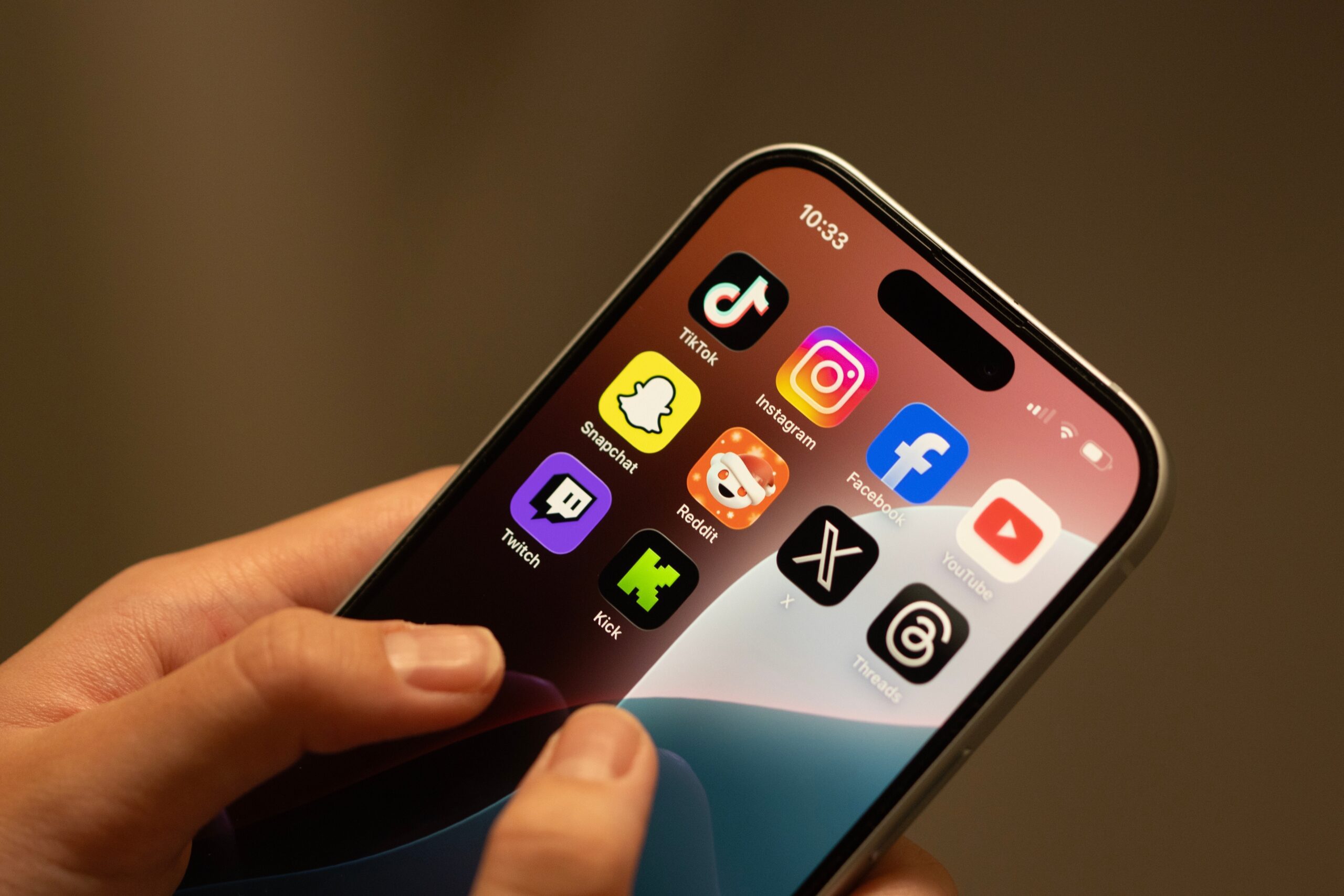
Meta Platforms, TikTok and YouTube will face courtroom scrutiny this week over allegations that their platforms are fueling a youth mental health crisis, as the national debate about kids’ screen time enters a new phase.
The bellwether trial in California Superior Court, Los Angeles County involves a 19-year-old woman from California, identified as K.G.M., who says she became addicted to the companies’ platforms at a young age because of their attention-grabbing design, according to court filings. She alleges the apps fueled her depression and suicidal thoughts and is seeking to hold the companies liable.
Her lawsuit is the first of several cases expected to go to trial this year that center on what the plaintiffs call “social media addiction” among children. It will be the first time the tech giants must defend themselves at trial over alleged harm caused by their products, the plaintiff’s attorney Matthew Bergman said. “They will be under a level of scrutiny that does not exist when you testify in front of Congress,” he told Reuters.
The jury will decide whether the companies were negligent in providing products that harmed K.G.M.’s mental health, and if her use of the apps was a substantial factor in her depression, compared with other causes such as the third-party content she viewed on the apps or aspects of her life offline.
“This is really a test case,” said Clay Calvert, a media lawyer at the American Enterprise Institute, a pro-business think tank. “We’re going to see what happens with these theories” that the social media platforms caused the plaintiff harm.
Mark Zuckerberg, CEO of Meta, is expected to take the witness stand. The company will argue in court that its products did not lead to K.G.M.’s mental health challenges, Meta’s lawyers told Reuters ahead of the trial. Snap CEO Evan Spiegel was also expected to testify, as his company was named a defendant in the lawsuit. Snap agreed on January 20 to settle K.G.M.’s lawsuit. A company spokesperson declined to comment on the specifics of the deal.
YouTube will argue that the company’s platforms are fundamentally different from social media platforms such as Instagram and TikTok, and should not be lumped together in court, a YouTube executive said ahead of the trial.
TikTok declined to comment about the company’s planned arguments in court.
Read the full article by Courtney Rozen / Reuters