Thursday, April 16, 2026
  • Login
CEO North America
  • Home
  • News
    • Business
    • Entrepreneur
    • Industry
    • Innovation
    • Management & Leadership
  • CEO Interviews
  • Opinion
  • Technology
  • Environment
  • CEO Life
    • Art & Culture
    • Food
    • Health
    • Travel
No Result
View All Result
  • Home
  • News
    • Business
    • Entrepreneur
    • Industry
    • Innovation
    • Management & Leadership
  • CEO Interviews
  • Opinion
  • Technology
  • Environment
  • CEO Life
    • Art & Culture
    • Food
    • Health
    • Travel
No Result
View All Result
CEO North America
No Result
View All Result

CEO NA Magazine > Opinion > Iran conflict: Keeping perspective on market risk

Iran conflict: Keeping perspective on market risk

in Opinion
Iran conflict: Keeping perspective on market risk
Share on LinkedinShare on WhatsApp

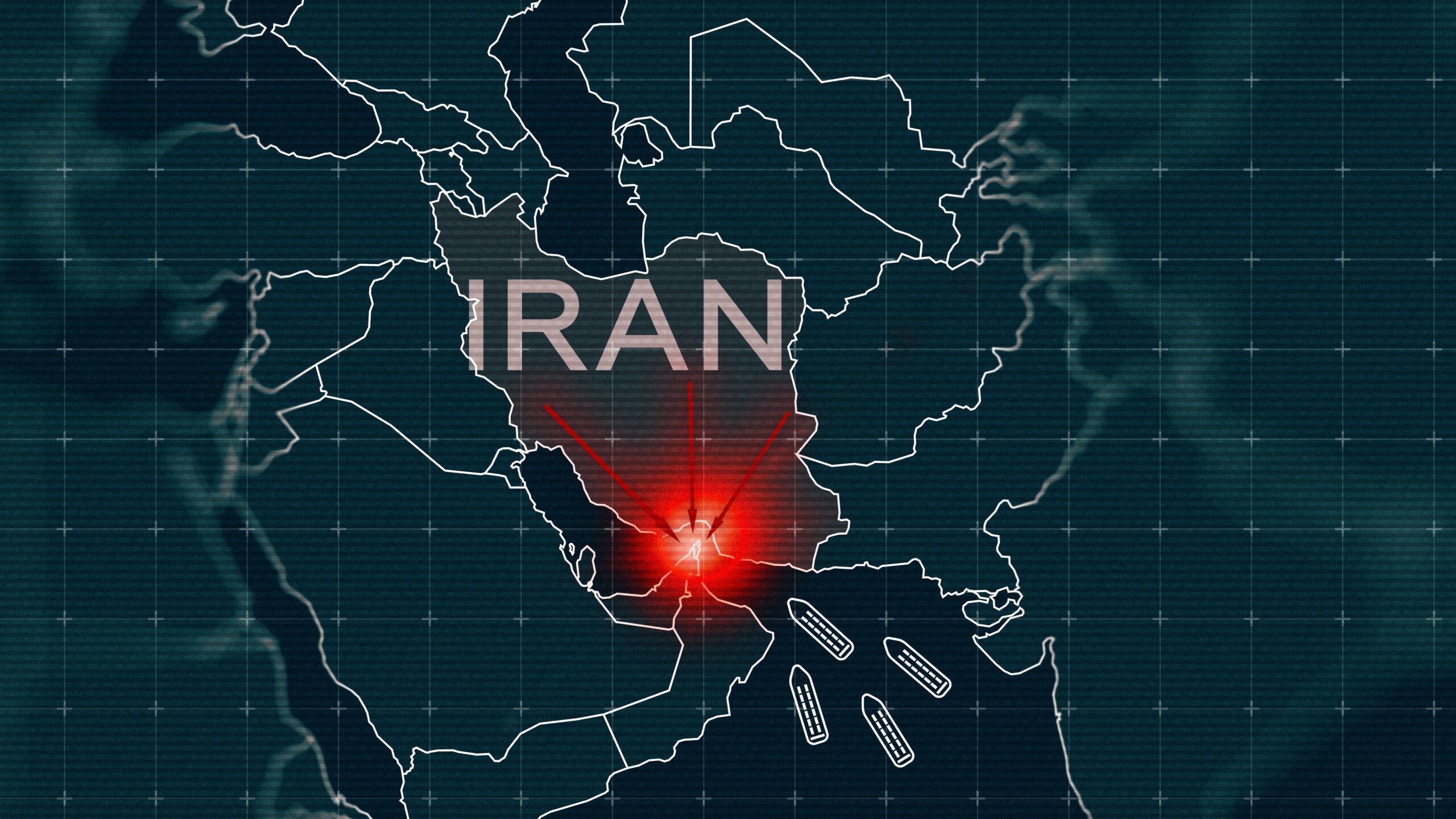
Tensions in the Middle East have rattled global markets. Both equities and bonds have experienced losses amid great uncertainty, and oil prices have spiked, creating a challenging dynamic. Although recent events can feel unsettling for many reasons, history suggests that such periods don’t typically derail long-term investment outcomes. 

What’s driving markets at this time

These geopolitical tensions are influencing markets primarily through energy prices. Concerns about supply disruptions have pushed oil prices higher, which can feed into expectations around inflation and monetary policy and weigh on investor sentiment. 

Importantly, markets appear to be repricing near-term risk rather than signaling a fundamental shift in long-term economic prospects. Markets have responded, but not in a way that suggests fears of a sustained shock to growth. 

Perspective still matters 

It’s clear why investors will want to pay attention to these developments: Concerns about escalation and continued spillover are understandable given the region’s place in global oil production and distribution. Although near-term uncertainty is likely to remain high and oil prices may remain volatile, markets tend to recalibrate as scenarios become clearer and extreme outcomes fail to materialize.

Lessons from history 

Periods when stocks and bonds decline together are often associated with inflation concerns, policy uncertainty, or sudden risk repricing. Historically, these environments have tended to be transitional rather than enduring. Markets adapt as inflation pressures ease, policy clarity improves, and uncertainty fades.

Geopolitical events rarely alter long-term market direction unless they result in:

  • A prolonged disruption to global energy supply.
  • A pronounced tightening in financial conditions.
  • A broad economic downturn.

Absent these outcomes, markets have typically recovered even when tensions have persisted. While markets don’t like uncertainty, strong reactions to geopolitical events are generally short-lived. In the wake of major geopolitical events going back decades, U.S. stocks have delivered positive average returns 6 and 12 months later.

What this means for investors

  • Diversification still matters, even when it’s tested. Although diversification may not eliminate short-term losses, it remains important for long-term resilience.
  • Discipline is essential. Remaining invested through volatile times means not selling when markets have bottomed.
  • Market volatility can create opportunity. This is especially true for investors rebalancing or investing new dollars to better align portfolios with long-term goals.

The bottom line 

Periods when both stocks and bonds are under pressure can be particularly uncomfortable and may feel unique, but they are part of investing. While volatility may persist in the near term, long-term outcomes remain driven by fundamentals such as economic growth, inflation trends, and policy credibility. Investors who stay disciplined, diversified, and focused on their long-term objectives have historically been best positioned to navigate uncertainty and participate in future growth.

Read the full article by Vanguard

Related Posts

Workspace chameleons: why ambiverts make more successful leaders than extroverts
Opinion

Workspace chameleons: why ambiverts make more successful leaders than extroverts

Accountability Is Leadership’s Greatest Weakness
Opinion

Accountability Is Leadership’s Greatest Weakness

Geopolitics Is the Market Force—So What Comes Next?
Opinion

Geopolitics Is the Market Force—So What Comes Next?

How Will AI Affect the US Labor Market?
Opinion

How Will AI Affect the US Labor Market?

How AI may reshape career pathways to better jobs
Opinion

How AI may reshape career pathways to better jobs

The Struggle With Being a First-Time CEO
Opinion

The Struggle With Being a First-Time CEO

Workplace conflict: three paths to peace
Opinion

Workplace conflict: three paths to peace

Are Apprentices an Endangered Species?
Opinion

Are Apprentices an Endangered Species?

The Missing Link in AI Adoption
Opinion

The Missing Link in AI Adoption

The Economic Price We Pay for War
Opinion

The Economic Price We Pay for War

No Result
View All Result

Recent Posts

  • Workspace chameleons: why ambiverts make more successful leaders than extroverts
  • Chef José Andrés warns war-driven inflation will cause a larger world hunger problem
  • Stellantis announces strategic collaboration with Microsoft to enhance customer experiences
  • Shoe retailer Allbirds makes pivot to AI
  • PepsiCo’s Q1 earnings show acceleration in both net and organic revenue growth

Archives

Categories

  • Art & Culture
  • Business
  • CEO Interviews
  • CEO Life
  • Editor´s Choice
  • Entrepreneur
  • Environment
  • Food
  • Health
  • Highlights
  • Industry
  • Innovation
  • Issues
  • Management & Leadership
  • News
  • Opinion
  • PrimeZone
  • Printed Version
  • Technology
  • Travel
  • Uncategorized

Meta

  • Log in
  • Entries feed
  • Comments feed
  • WordPress.org

  • CONTACT
  • GENERAL ENQUIRIES
  • ADVERTISING
  • MEDIA KIT
  • DIRECTORY
  • TERMS AND CONDITIONS

Advertising –
advertising@ceo-na.com

110 Wall St.,
3rd Floor
New York, NY.
10005
USA
+1 212 432 5800

Avenida Chapultepec 480,
Floor 11
Mexico City
06700
MEXICO

  • News
  • CEO Interviews
  • Opinion
  • Technology
  • Environment
  • CEO Life

  • CONTACT
  • GENERAL ENQUIRIES
  • ADVERTISING
  • MEDIA KIT
  • DIRECTORY
  • TERMS AND CONDITIONS

Advertising –
advertising@ceo-na.com

110 Wall St.,
3rd Floor
New York, NY.
10005
USA
+1 212 432 5800

Avenida Chapultepec 480,
Floor 11
Mexico City
06700
MEXICO

CEO North America © 2024 - Sitemap

Welcome Back!

Login to your account below

Forgotten Password?

Retrieve your password

Please enter your username or email address to reset your password.

Log In
No Result
View All Result
  • Home
  • News
    • Business
    • Entrepreneur
    • Industry
    • Innovation
    • Management & Leadership
  • CEO Interviews
  • Opinion
  • Technology
  • Environment
  • CEO Life
    • Art & Culture
    • Food
    • Health
    • Travel

© 2026 JNews - Premium WordPress news & magazine theme by Jegtheme.