Overwhelmed, irritable, dizzy, bloated, exhausted.
These are the words coming up frequently in comments sent to the BBC by women who, having barely recovered from the record-breaking heat in June, are bracing for more hot weather.
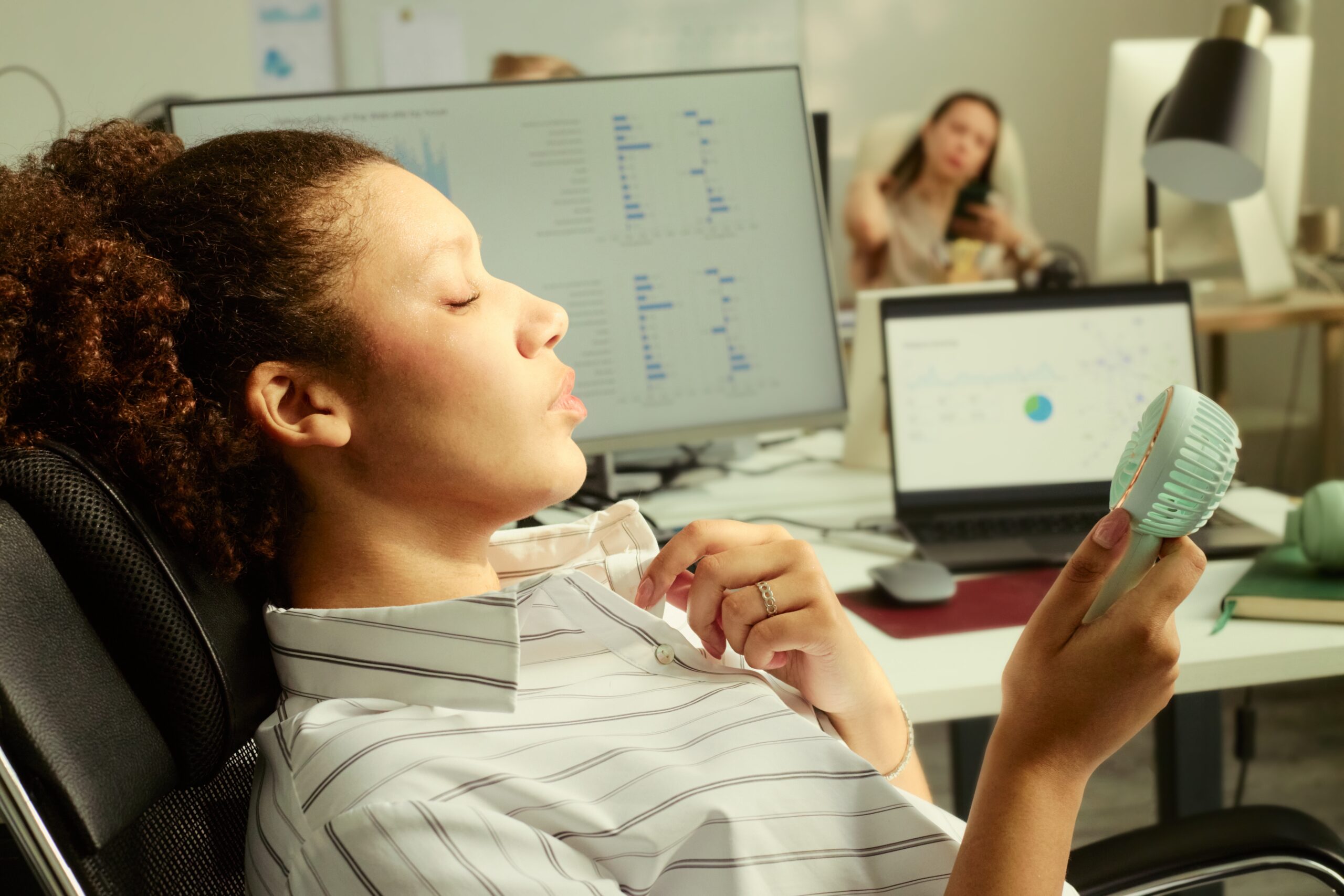
Extreme heat can affect anyone. But heatwaves are a “stress-test” for women’s cardiovascular systems, and hit them harder than men, Dr Nighat Arif, an NHS GP who specialises in women’s health, told the BBC.
Women may also be marginally more vulnerable to heatwave-related death than men, though more evidence is needed, said Dr Cat Pinho-Gomes, an academic public health consultant at UCL’s Institute for Global Health.
So as climate change drives increasingly intense and frequent heatwaves to the UK, experts are calling for better awareness of the risks to women and more targeted efforts to protect them.
Hormone levels and body response to heat
Biologically, women’s greater risk comes down to two things: the natural rise and fall of our hormone levels and our body’s response to heat, which are different to men’s, Dr Arif said.
Women produce less sweat and start sweating at a higher temperature, research – including this 2025 study – shows.
This impairs our ability to quickly shed excess heat and makes it harder to judge when our bodies are under burden, simply because we can’t see as much sweat on our skin or clothing.
The same research found that women also have a higher core body temperature and body fat percentage than men, which acts like an extra insulating layer.
Now combine this with the natural fluctuations of women’s hormones, which already put our brain’s temperature regulation systems “out of kilter”, according to Dr Arif.
Our levels of oestrogen and progesterone shift most substantially during the menstrual cycle, perimenopause, menopause, pregnancy and while breastfeeding – which can make you less able to regulate your temperature.
All of this is hard work for our cardiovascular systems, especially in hot weather.
Age is another factor. The older you are, the more vulnerable you are to heat – and since women live longer on average than men, we are more at risk of health impacts, Dr Pinho-Gomes explained.
Elderly people are also more susceptible to dementia, which can limit theability to recognise thirst, or conditions that require diuretics, used to lower blood pressure – both of which can further expose you to heat stress, she said.
Your period might feel more uncomfortable
As hormone levels dip and rise throughout your menstrual cycle, so does your sensitivity to heat, Dr Arif explained.
Progesterone rises during the second half of your cycle, before your period begins. This can raise core body temperature, only adding to the discomfort when you’re already hot, she said.
Then the period hits and oestrogen – the hormone which drives your thermoregulatory system – drops to its lowest level, putting more pressure on your heart to cool down.
“I bled a normal amount but noticed a big increase in fatigue, dizziness, anxiety and sleepless nights,” said Michaela Finn, from north London, who was on her period during the late June heatwave.
Know the signs of heat exhaustion and heat stroke
Heat exposure has been linked to a higher risk of cardiovascular morbidity and mortality, especially among women, a major review of studies on the effects of heat exposure found.
During heatwaves, the added strain on our hearts can cause our blood pressure to lower, which combined with the loss of fluids and salt from sweating, can lead to heat exhaustion.
If blood pressure drops too low, the risk of heart attacks also rises.
Dr Arif advised: “Know the signs of heat exhaustion and heat stroke… drink plenty of fluids, have your fans, your cooling stuff. Make sure you do your exercise before sunrise or after sunset. Use sun cream, track your periods.
“Treat the heat like a cardiovascular stress-test,” she said. Slow down, take care of your body.