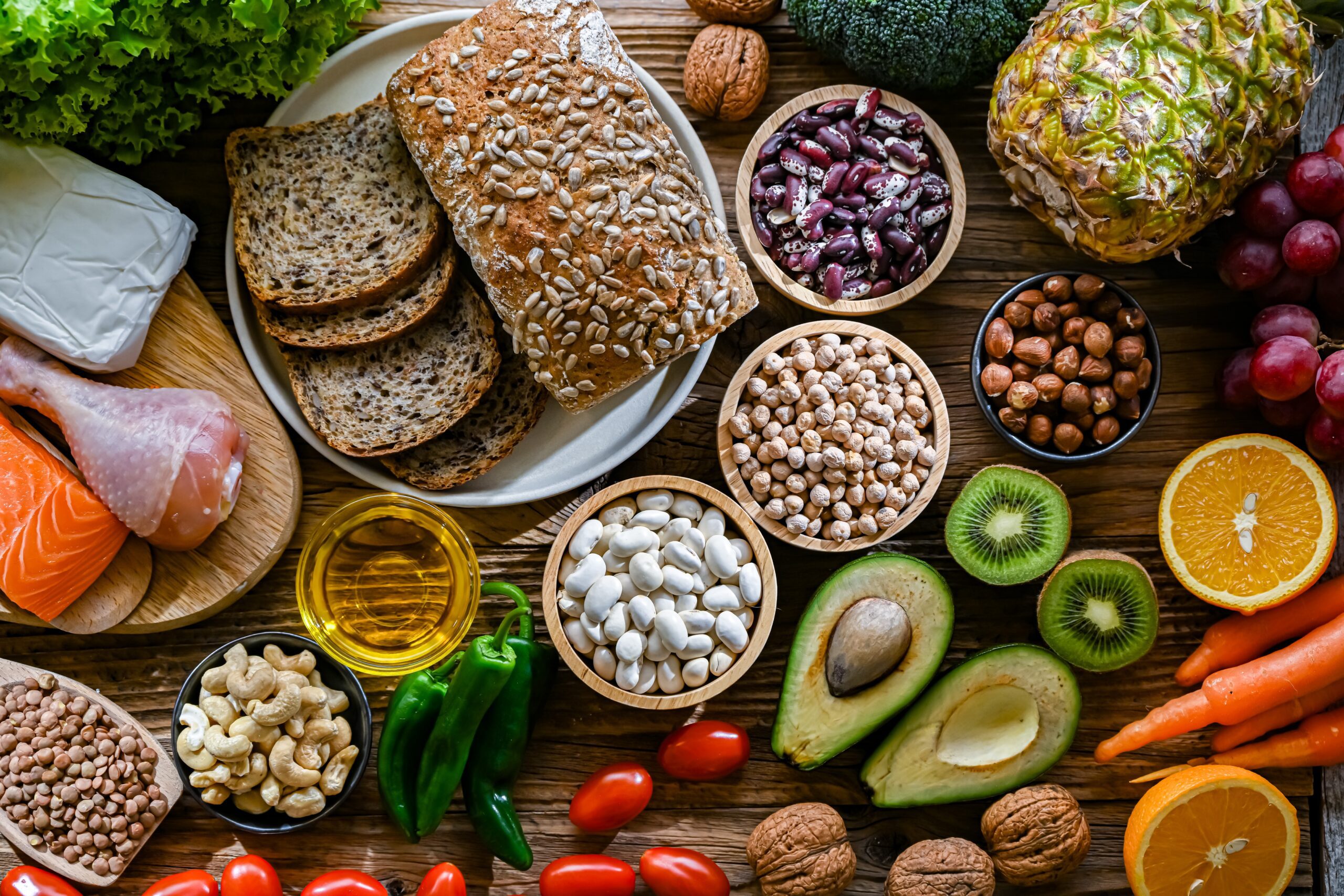
Over the years, carbohydrates have gotten a bad reputation. People often associate them with weight gain, type 2 diabetes, and a variety of other health conditions.
Yes, it’s true that processed foods high in sugar and refined grains typically lack important vitamins and minerals. However, many nutrient-dense, fiber-rich foods can actually be very good for you.
While low carb diets can be beneficial for some people, there’s no reason to avoid high carb foods altogether.
1. Quinoa
Quinoa is a nutritious seed that has become incredibly popular among health-conscious consumers.
It’s classified as a pseudocereal, which is a seed that’s prepared and eaten like a grain.
Cooked quinoa contains 70% carbs, making it a high carb food. However, it’s also a good source of protein and fiber.
Quinoa is rich in many minerals and plant compounds and has been linked to a variety of health benefits, including improved blood sugar management and heart health.
Additionally, it does not contain any gluten, which makes it a popular alternative to wheat for those on a gluten-free diet.
Quinoa is also very filling since it’s relatively high in fiber and protein. For this reason, it may help promote healthy weight management and gut health.
2. Oats
Oats are an incredibly healthy whole grain and a great source of many vitamins, minerals, and antioxidants.
Raw oats contain 70% carbs. A 1-cup (81-gram) serving contains 54 grams of carbs, including 8 grams of fiber. They are particularly high in a specific type of fiber called oat beta glucan.
Oats are also a relatively good source of protein and contain more protein than most grains.
Research suggests that eating oats may reduce your risk of heart disease by lowering your cholesterol levels.
Eating oats may also lower blood sugar levels, especially in people with type 2 diabetes.
Furthermore, oats are very filling, which could help support healthy weight management.
3. Buckwheat
Like quinoa, buckwheat is considered a pseudocereal. Despite its name, buckwheat is not related to wheat and does not contain gluten.
Raw buckwheat contains 75 grams of carbs, while cooked buckwheat groats contain about 19.9 grams of carbs per 100-gram serving.
Buckwheat is very nutritious, containing both protein and fiber. It also has more minerals and antioxidants than many other grains.
Additionally, studies in humans and animals suggest that it may be particularly beneficial for heart health and blood sugar regulation.
4. Bananas
Bananas are a popular fruit people love to use in many different recipes.
One large banana (136 grams) contains about 31 grams of carbs, either in the form of starches or sugars.
Bananas are also high in potassium and vitamins B6 and C, and they contain several beneficial plant compounds.
Thanks to their high content of potassium, bananas may help lower blood pressure and improve heart health.
Unripe, green bananas are higher in starch. This transforms into natural sugars as the bananas ripen, turning yellow in the process. Thus, you’ll tend to get more starch and less sugar if you eat your bananas when they’re less ripe (22).
Unripe and less ripe bananas also contain decent amounts of resistant starch and pectin, both of which support digestive health and provide fuel for the beneficial bacteria in your gut.
5. Sweet potatoes
Nataša Mandić/Stocksy United
Sweet potatoes are a delicious, nutritious tuber or root vegetable.
One-half cup (100 grams) of mashed, cooked sweet potatoes with their skin on contains about 20.7 grams of carbs, which consists of starch, sugar, and fiber.
Sweet potatoes are also a rich source of vitamin A, vitamin C, and potassium.
What’s more, they’re packed with antioxidants, which are compounds that help neutralize harmful free radicals in your cells to protect you against chronic disease.