Collagen supplements have become a go-to for those seeking to delay aging and improve skin appearance.
However, a recent review of clinical research suggests that collagen supplements may offer only modest benefits for skin health, particularly in terms of elasticity and hydration.
The review, published in the Aesthetic Surgery Journal Open Forum, analyzed studies examining oral collagen peptides and their impact on skin quality.
Across several trials, researchers found that consistent supplementation was associated with small improvements in skin elasticity, hydration, and dermal density, typically after several weeks of use.
So, just how effective are collagen supplements when it comes to improving skin health and slowing visible signs of aging?
Can Collagen Really Improve Your Skin Health? What the Research Says
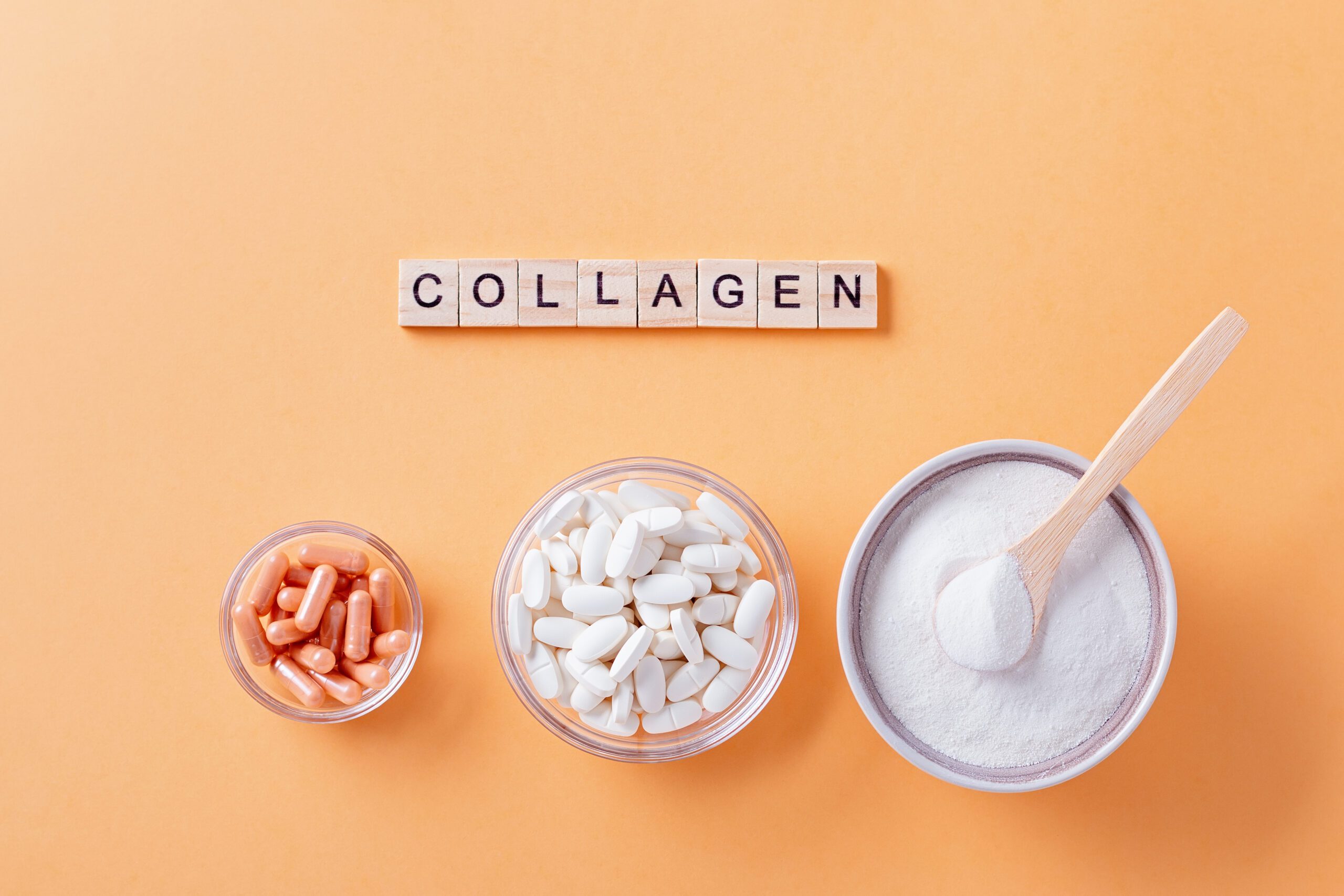
Add Healthline on GoogleCollagen supplements may support skin health, but the anti-aging benefits may be overstated. Anastasiia Krivenok/Getty Images
- A recent review of clinical research suggests that collagen supplements may offer modest improvements in skin elasticity, hydration, and dermal density.
- Experts say these changes tend to be subtle and gradual, typically appearing after several weeks of consistent use.
- There is little evidence to show that collagen supplements can prevent or significantly reverse wrinkles, despite common marketing claims.
- Skin experts say collagen supplements may support skin health, but work best alongside proven strategies such as sunscreen use, retinoids, and healthy lifestyle habits.
Collagen supplements have become a go-to for those seeking to delay aging and improve skin appearance.
However, a recent review of clinical research suggests that collagen supplements may offer only modest benefits for skin health, particularly in terms of elasticity and hydration.
The review, published in the Aesthetic Surgery Journal Open Forum, analyzed studies examining oral collagen peptides and their impact on skin quality.
Across several trials, researchers found that consistent supplementation was associated with small improvements in skin elasticity, hydration, and dermal density, typically after several weeks of use.
So, just how effective are collagen supplements when it comes to improving skin health and slowing visible signs of aging?
Healthline spoke with experts to learn more about the purported benefits of collagen and whether common claims about supplements have any merit.
Collagen supplements: Not a ‘magic fix’
Marlee Bruno, a board certified physician associate, aesthetic medicine educator, and founder of Mind Body & Soul Medical, said the review aligns with what she sees in the treatment room.
“Collagen supplements may support improvements in skin elasticity and hydration over time, but they are not a magic fix for aging,” she told Healthline.
“In my practice, patients who approach them with realistic expectations tend to be the most satisfied. When someone expects dramatic wrinkle reversal from a supplement alone, they are often disappointed,” she said.
According to Bruno, the current science suggests collagen supplements can contribute to modest improvements in skin quality with consistent use, but the changes are typically gradual and subtle.
Proven benefits of collagen
If you’re taking collagen supplements consistently, Bruno said that proven benefits lie in the “three pillars of skin quality”: elasticity, hydration, and dermal density.
“Some medical trials Trusted Sourceshow that taking between 2.5 to 5 grams of bioactive collagen peptides daily can lead to an increase in skin elasticity after 8 to 12 weeks,” she said.
Moustafa Mourad, MD, double board certified facial plastic and reconstructive head and neck surgeon and founder at Mourad NYC Facial Plastic & Reconstruction Surgery, said the most consistent benefits are improvements in skin hydration and small increases in elasticity.
“People who respond to collagen supplements may notice that their skin looks a little more hydrated or feels slightly firmer,” he told Healthline.
“These changes usually appear after several weeks of daily use. The key point is that these improvements are subtle and gradual. They do not produce the kind of visible lifting or tightening that people sometimes expect from cosmetic treatments,” he said.
Bruno agreed. “What people should realistically expect is that you aren’t going to wake up with a facelift. What you can expect is subtle firmness and smoother texture,” she said.
“Think of it like high quality insulation for a house. You don’t necessarily see it from the street, but the house stays warmer, and the structure holds up better against the elements,” she said.
Bruno noted that collagen works better as long-term support rather than a visible transformation.
Anti-aging benefits of collagen may be overstated
One common claim is that collagen supplements can prevent or significantly reduce wrinkles, but experts say this claim is overstated.
“Collagen supplements don’t prevent wrinkles in the way sunscreen prevents UV damage,” Bruno said. “Aging [involves] UV damage, genetics, inflammation, and hormonal changes,” she said.
“Collagen helps soften the appearance of what you already have, but if you aren’t wearing SPF, no amount of collagen supplements is going to save you from wrinkles,” she explained.
Mourad agreed that many claims about collagen and wrinkles are exaggerated.
“Wrinkles form due to several factors, including sun exposure, natural collagen breakdown with age, repetitive facial movements, and larger structural changes in the skin,” he said.
“Because of that, collagen supplements alone cannot prevent wrinkles or dramatically reverse them. At most, they may help support skin hydration and elasticity, making very fine lines look a little softer,” Bruno explained.
Proven tips to improve skin health
If improving skin elasticity and delaying skin aging are among your goals, a multifactorial approach is best.
“I always explain to patients that while supplements can support the skin from the inside out, they work best when combined with a comprehensive approach that includes medical-grade skin care, healthy lifestyle habits, and, when appropriate, in-office aesthetic treatments,” Bruno said.
If you want real results, she said, daily sunscreen is a nonnegotiable.
“UV exposure is responsible for about 80% of visible skin aging, breaking down collagen faster than anything else,” she said.
Second, Bruno advised using a medical-grade retinoid to maintain high cellular turnover and antioxidants, such as vitamin C, to reduce oxidative stress.
“Going even further, you could consider in-office collagen-stimulating treatments like microneedling that provide more measurable results than supplements alone, too,” Bruno said.
Mourad noted that it’s important to prioritize the basics. “I always emphasize the basics of overall health, including good nutrition, adequate sleep, and avoiding smoking, since all of these influence skin quality and long-term aging,” he said.
“Collagen supplements can certainly be added if someone wants to try them, but they should really be viewed as a complement to these proven strategies rather than a replacement for them,” he said.
Read the full article Written by Victoria Stokes, Fact checked by Jennifer Chesak, MSJ / Healthline