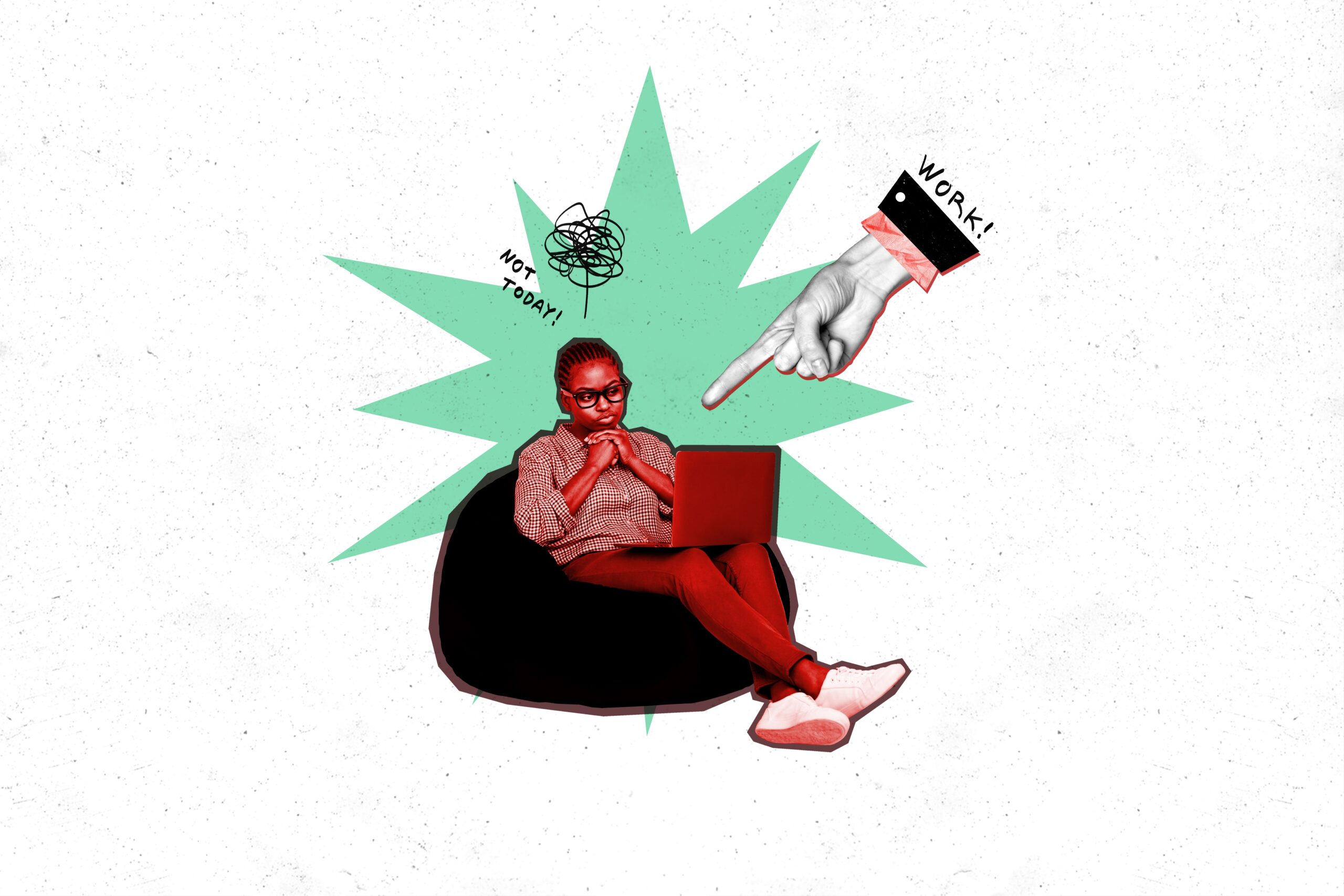
According to Dr. Itamar Shatz, a Cambridge researcher and author of Solving Procrastination: The Science of Why We Put Things Off and How to (Finally!) Stop, procrastination isn’t simply a matter of motivation or time management.
The 9 Types of Procrastinators
Dr. Shatz’s nine procrastination types reflect different reasons people may delay tasks. While you may see yourself in several of them, each pattern has its own tendencies and potential strategies for getting unstuck.
The Worrier
Worriers tend to procrastinate because a task brings up anxiety about what could go wrong. They may spend so much time anticipating potential problems that avoiding the task feels easier than confronting those worries.
The Pessimist
Pessimists may procrastinate because they don’t expect their efforts to lead to a positive outcome. When you doubt that you’ll succeed or that your work will make much of a difference, getting started can feel less worthwhile.
The Perfectionist
Perfectionists may put things off because they feel pressure to do a task exceptionally well. If they don’t feel confident that they can meet their own or someone else’s standards, they may delay starting rather than risk producing something they consider inadequate.
The Dreamer
Dreamers may spend more time thinking about what they want to accomplish than taking the concrete steps required to get there. Imagining the possibilities can be rewarding, while dealing with the practical details of making them happen may feel less appealing.
The Zigzagger
Zigzaggers tend to shift their attention from one thing to another. They may start a task with good intentions but quickly get pulled toward a new idea, activity, or distraction, making it difficult to maintain momentum.
The Rebel
Rebels may procrastinate as a way of asserting their independence. When they feel that someone else is controlling what they do or imposing expectations on them, putting off the task can provide a temporary sense of autonomy.
The Thrill Seeker
Thrill seekers tend to rely on urgency to get themselves moving. They may repeatedly put tasks off because they know a looming deadline will eventually provide the pressure, energy, or excitement they need to act.
The Hedonist
Hedonists tend to prioritize what feels good right now over what may be beneficial later. An enjoyable activity, such as watching TV or scrolling on a phone, can feel more rewarding in the moment than completing a task with a more distant payoff.
The Burnout
Burnout procrastinators may delay tasks because they feel mentally or physically depleted. When you don’t have much energy or capacity left, even responsibilities you want to complete can feel difficult to tackle.