Monday, August 3, 2026
  • Login
CEO North America
  • Home
  • News
    • Business
    • Entrepreneur
    • Industry
    • Innovation
    • Management & Leadership
  • CEO Interviews
  • Opinion
  • Technology
  • Environment
  • CEO Life
    • Art & Culture
    • Food
    • Health
    • Travel
No Result
View All Result
  • Home
  • News
    • Business
    • Entrepreneur
    • Industry
    • Innovation
    • Management & Leadership
  • CEO Interviews
  • Opinion
  • Technology
  • Environment
  • CEO Life
    • Art & Culture
    • Food
    • Health
    • Travel
No Result
View All Result
CEO North America
No Result
View All Result

CEO NA Magazine > CEO Life > Health > Matching your workouts to your personality could make exercising more enjoyable and give you better results

Matching your workouts to your personality could make exercising more enjoyable and give you better results

in Health
Matching your workouts to your personality could make exercising more enjoyable and give you better results
Share on LinkedinShare on WhatsApp

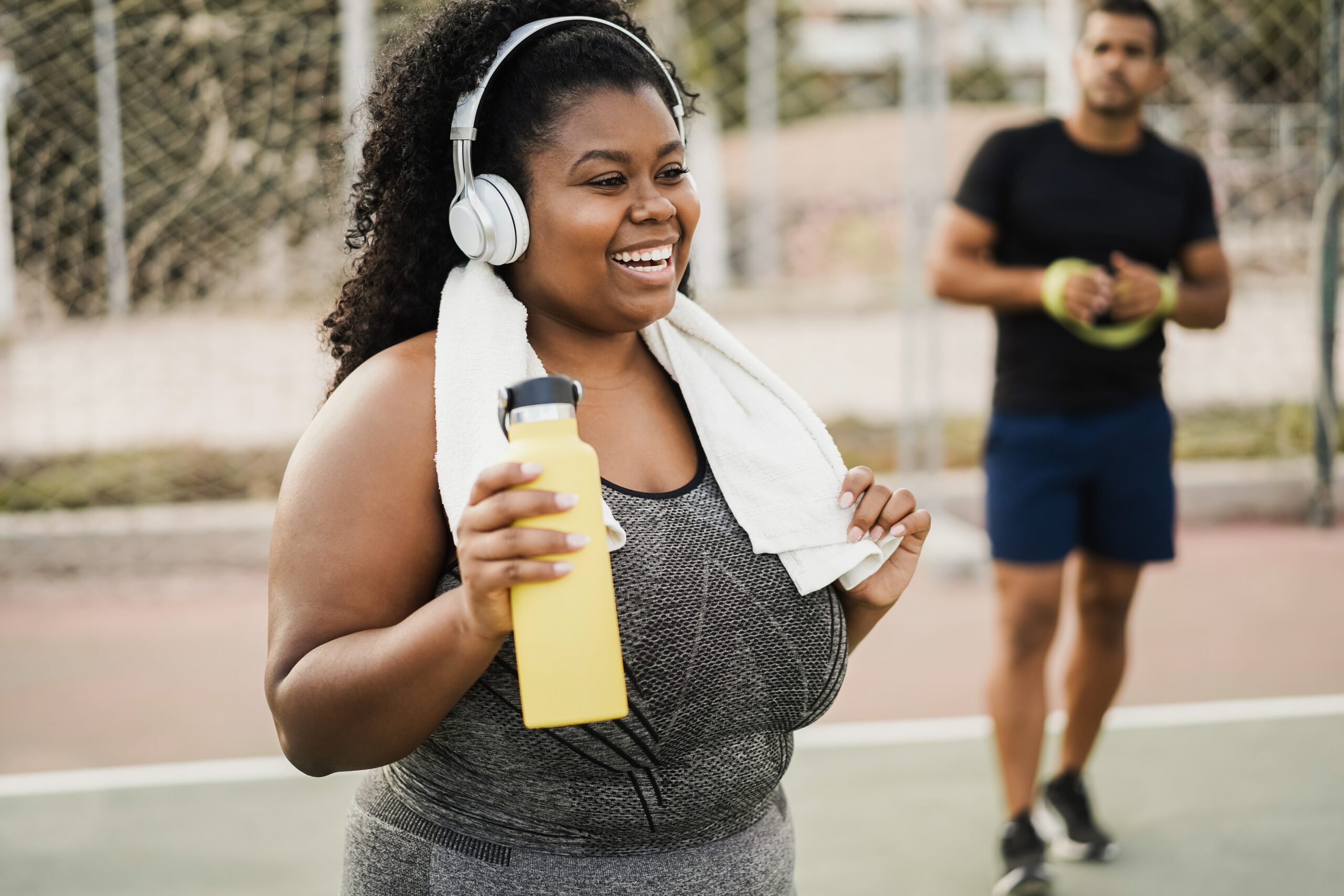
Finding motivation to exercise can be the greatest challenge in working out. This might be part of the reason why less than a quarter of people achieve the activity goals recommended by the World Health Organization.

But what if working out could be more enjoyable? One way of achieving this could be opting for types of exercise that fit our personalities. To this end, researchers in the UK now have examined how personality affects what types of exercise we prefer, and our commitment and engagement to them. The results were published in Frontiers in Psychology.

“We found that our personality can influence how we engage with exercise, and particularly which forms of exercise we enjoy the most,” said first author Dr Flaminia Ronca from University College London’s (UCL) Institute of Sport, Exercise and Health.
“Understanding personality factors in designing and recommending physical activity programs is likely to be very important in determining how successful a program is, and whether people will stick with it and become fitter,” added senior author Prof Paul Burgess from the UCL Institute of Cognitive Neuroscience.
Different sports for different people
The researchers recruited participants that attended lab testing for baseline fitness. They then split them into two groups; the first group was provided with an eight-week home-based fitness plan made up of cycling and strength training (intervention group), the other group continued their usual lifestyle (control group). During lab testing, the first intervention week, and after the intervention, all participants completed a questionnaire on how much they’d enjoyed each training session. The personality traits examined in the study included extraversion, conscientiousness, agreeableness, neuroticism, and openness.
“Our brains are wired in different ways, which drives our behaviors and how we interact with our environment,” Ronca explained. “So it’s not surprising that personality would also influence how we respond to different intensities of exercise.”
For example, people scoring high on extraversion enjoyed high intensity sessions with others around, including team sports. Contrary, people scoring high on neuroticism preferred private workouts. While they are fine with high intensity, they need short breaks in between. Others, scoring high on consciousness and openness were found to engage in exercise regardless of whether they particularly enjoyed it or were driven by curiosity, respectively.

Stress less
What was particularly interesting was the relationship between personality, change in fitness, and stress, the researchers said. Before the intervention, the stress levels of both groups were similar. After the intervention, however, especially people who scored high in neuroticism showed a strong reduction in stress. “It’s fantastic news, as it highlights that those who benefit the most from a reduction in stress respond very well to exercise,” Ronca said.

The researchers pointed out that the most important part about exercising is finding something we enjoy and not to be discouraged if we don’t immediately find it. “It’s ok if we don’t enjoy a particular session,” Ronca said. “We can try something else.”

“We hope that if people can find physical activities that they enjoy they will more readily choose to do them,” Burgess concluded. “After all, we don’t have to nag dogs to go for a walk: being so physically inactive that we start to feel miserable might be a peculiarly human thing to do. In effect, our body punishes us by making us miserable. But for some reason, many of us humans seem poor at picking up on these messages it is sending to our brain.”


Read the full article by Frontiers

Related Posts

Why heatwaves hit women harder
Health

Why heatwaves hit women harder

Exercising earlier in the day, staying consistent can boost heart fitness
Health

Your muscles keep time too. How circadian rhythms affect your workout and your health

Clean eating: What does that mean?
Health

The Gut-Brain Connection: How it Works and The Role of Nutrition

Climate Action Must Include Nutrition
Health

How the ‘fresh start’ effect can help you stick to good habits

Want to leverage wearable tech like a World Cup athlete? Here are the metrics to track
Health

Want to leverage wearable tech like a World Cup athlete? Here are the metrics to track

How much vitamin D do you need to stay healthy?
Health

How much vitamin D do you need to stay healthy?

How often should you brush your hair?
Health

How often should you brush your hair?

Mindfulness tips at work
Health

Mindfulness tips at work

As the largest World Cup ever kicks off, health officials are focused on more than Ebola
Health

As the largest World Cup ever kicks off, health officials are focused on more than Ebola

UN releases 2024 list of the world’s happiest countries
Health

Five good ways to spend your rest days

No Result
View All Result

Recent Posts

  • When Directors Become a Digital Security Risk
  • The three leadership principles behind lasting AI impact
  • Japan and the US confirm joint yen-buying intervention
  • AstraZeneca shares drop 7% after rumors of Bristol Myers merger
  • Oil prices fall 5% as Middle East tensions decrease

Archives

Categories

  • Art & Culture
  • Business
  • CEO Interviews
  • CEO Life
  • Editor´s Choice
  • Entrepreneur
  • Environment
  • Food
  • Health
  • Highlights
  • Industry
  • Innovation
  • Issues
  • Management & Leadership
  • News
  • Opinion
  • PrimeZone
  • Printed Version
  • Technology
  • Travel
  • Uncategorized

Meta

  • Log in
  • Entries feed
  • Comments feed
  • WordPress.org

  • CONTACT
  • GENERAL ENQUIRIES
  • ADVERTISING
  • MEDIA KIT
  • DIRECTORY
  • TERMS AND CONDITIONS

Advertising –
advertising@ceo-na.com

110 Wall St.,
3rd Floor
New York, NY.
10005
USA
+1 212 432 5800

Avenida Chapultepec 480,
Floor 11
Mexico City
06700
MEXICO

  • News
  • CEO Interviews
  • Opinion
  • Technology
  • Environment
  • CEO Life

  • CONTACT
  • GENERAL ENQUIRIES
  • ADVERTISING
  • MEDIA KIT
  • DIRECTORY
  • TERMS AND CONDITIONS

Advertising –
advertising@ceo-na.com

110 Wall St.,
3rd Floor
New York, NY.
10005
USA
+1 212 432 5800

Avenida Chapultepec 480,
Floor 11
Mexico City
06700
MEXICO

CEO North America © 2024 - Sitemap

Welcome Back!

Login to your account below

Forgotten Password?

Retrieve your password

Please enter your username or email address to reset your password.

Log In
No Result
View All Result
  • Home
  • News
    • Business
    • Entrepreneur
    • Industry
    • Innovation
    • Management & Leadership
  • CEO Interviews
  • Opinion
  • Technology
  • Environment
  • CEO Life
    • Art & Culture
    • Food
    • Health
    • Travel

© 2026 JNews - Premium WordPress news & magazine theme by Jegtheme.