Friday, May 22, 2026
  • Login
CEO North America
  • Home
  • News
    • Business
    • Entrepreneur
    • Industry
    • Innovation
    • Management & Leadership
  • CEO Interviews
  • Opinion
  • Technology
  • Environment
  • CEO Life
    • Art & Culture
    • Food
    • Health
    • Travel
No Result
View All Result
  • Home
  • News
    • Business
    • Entrepreneur
    • Industry
    • Innovation
    • Management & Leadership
  • CEO Interviews
  • Opinion
  • Technology
  • Environment
  • CEO Life
    • Art & Culture
    • Food
    • Health
    • Travel
No Result
View All Result
CEO North America
No Result
View All Result

CEO NA Magazine > CEO Life > Art & Culture > The Architect as Writer: Expanding the Discipline Beyond Buildings

The Architect as Writer: Expanding the Discipline Beyond Buildings

in Art & Culture
The Architect as Writer: Expanding the Discipline Beyond Buildings
Share on LinkedinShare on WhatsApp

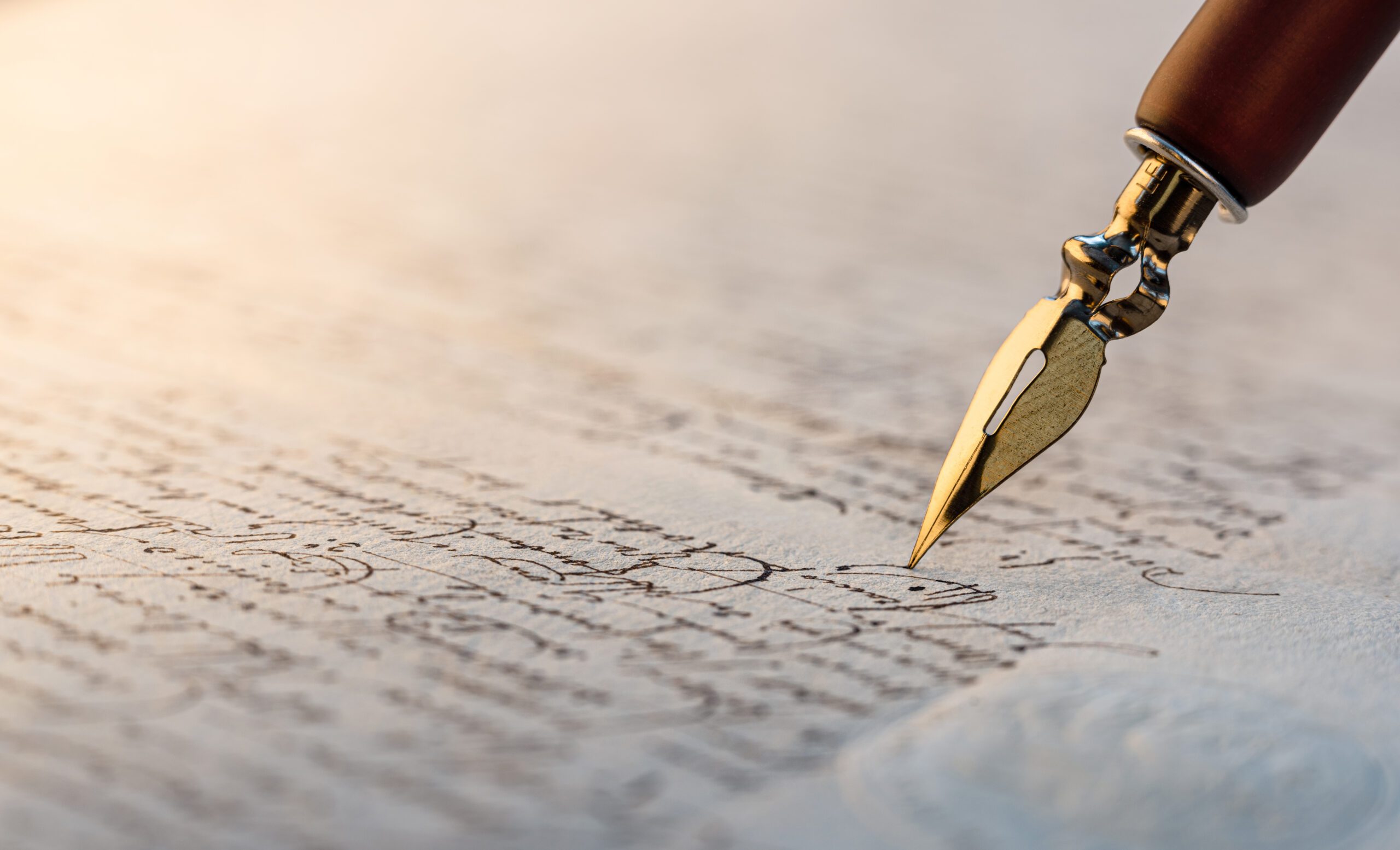
Architecture has always been more than bricks and mortar. It is equally constructed through words, ideas, and narratives. From ancient treatises to radical manifestos, from technical manuals to poetic essays, the written word has served as a spatial, pedagogical, and political tool within the field. Writing shapes how architecture is conceptualized, communicated, and critiqued — often long before, or even in the absence of, physical construction.

Historically, figures such as Vitruvius, Alberti, and Palladio employed writing to codify principles, project ideals, and legitimize architecture as a discipline. In the modern era, Le Corbusier, Adolf Loos, and Lina Bo Bardi wrote prolifically to expand the scope of architecture beyond form and function, often using publications as tools for persuasion and experimentation. The postwar period gave rise to new editorial strategies, as evident in the manifestos of Archizoom and Superstudio, and the polemical publications of Delirious New York and Oppositions, where writing served as both critique and project.

Architecture’s Written Foundations

Long before architecture became a profession, it was a literary endeavor. In the absence of formal institutions, writing served as the primary means of consolidating and transmitting architectural knowledge. Vitruvius’s De Architectura is the only architectural treatise to survive from antiquity. Far from being a technical manual, it proposed architecture as a learned discipline grounded in three essential qualities: firmitas, utilitas, and venustas. These principles, abstract yet actionable, offered a framework for understanding the built environment that would shape centuries of architectural thinking.

Rediscovered during the Renaissance, Vitruvius’s text became the cornerstone of architectural theory. It offered a link to the classical past and, more importantly, a model for architectural authorship. Leon Battista Alberti followed this path with De Re Aedificatoria, the first major architectural treatise of the Renaissance. Written in Latin and structured in ten books — in deliberate echo of Vitruvius — Alberti’s treatise outlined construction methods, material knowledge, philosophical reflections on beauty, proportion, and the social role of architecture. His work would soon be followed by a wave of influential texts that formalized the visual and compositional language of architecture, establishing canons that would shape built environments: Sebastiano Serlio’s Tutte l’opere d’architettura et prospetiva, Andrea Palladio’s Quattro Libri dell’Architettura, and Giacomo Barozzi da Vignola’s Regola delli cinque ordini d’architettura.

The Architect as Editor

If writing is an architectural act, then editing and publishing are its extended tools. The processes of curating content, shaping publications, and disseminating ideas — whether in books, magazines, or digital platforms — have long influenced how architecture is discussed, theorized, and projected. One can trace a lineage from Renaissance printer-patrons who published Alberti’s treatises, to the editors of early 20th-century manifestos, to the curators of today’s hybrid forums. In every case, the medium has shaped the message of architecture.

Read the full article by Diogo Borges Ferreira / Arch Daily

Related Posts

Design plan for 250-foot “Arc de Trump” is approved
Art & Culture

Design plan for 250-foot “Arc de Trump” is approved

Engaging with arts and culture can slow biological aging as much as exercise, study suggests
Art & Culture

Engaging with arts and culture can slow biological aging as much as exercise, study suggests

How The Devil Wears Prada 2 speaks the hidden language of fashion
Art & Culture

How The Devil Wears Prada 2 speaks the hidden language of fashion

Must-See Museum Shows in New York This Spring
Art & Culture

Must-See Museum Shows in New York This Spring

Institutions Across the U.S. Will Benefit From $116 Million Gift to the National Gallery
Art & Culture

Institutions Across the U.S. Will Benefit From $116 Million Gift to the National Gallery

Madonna announces sequel to her 2005 album Confessions on a Dance Floor
Art & Culture

Madonna announces sequel to her 2005 album Confessions on a Dance Floor

Greece Introduces New Law to Combat Art Forgery and Vandalism
Art & Culture

Greece Introduces New Law to Combat Art Forgery and Vandalism

Logan Paul sold a Pokémon card for more than $16 million. Here’s why investors are watching
Art & Culture

Logan Paul sold a Pokémon card for more than $16 million. Here’s why investors are watching

We are living in a period of political anti-intellectualism. But in pop culture, clever is the new cool
Art & Culture

We are living in a period of political anti-intellectualism. But in pop culture, clever is the new cool

Ode to Chuck Norris
Art & Culture

Ode to Chuck Norris

No Result
View All Result

Recent Posts

  • Workday wins on Q1 earnings from steady AI demand
  • Spotify shares rise on Universal AI music deal
  • Design plan for 250-foot “Arc de Trump” is approved
  • Alien ‘encounters’ put this strange-looking monument on the tourist map
  • Career Advice: How to Connect with Gen Z

Archives

Categories

  • Art & Culture
  • Business
  • CEO Interviews
  • CEO Life
  • Editor´s Choice
  • Entrepreneur
  • Environment
  • Food
  • Health
  • Highlights
  • Industry
  • Innovation
  • Issues
  • Management & Leadership
  • News
  • Opinion
  • PrimeZone
  • Printed Version
  • Technology
  • Travel
  • Uncategorized

Meta

  • Log in
  • Entries feed
  • Comments feed
  • WordPress.org

  • CONTACT
  • GENERAL ENQUIRIES
  • ADVERTISING
  • MEDIA KIT
  • DIRECTORY
  • TERMS AND CONDITIONS

Advertising –
advertising@ceo-na.com

110 Wall St.,
3rd Floor
New York, NY.
10005
USA
+1 212 432 5800

Avenida Chapultepec 480,
Floor 11
Mexico City
06700
MEXICO

  • News
  • CEO Interviews
  • Opinion
  • Technology
  • Environment
  • CEO Life

  • CONTACT
  • GENERAL ENQUIRIES
  • ADVERTISING
  • MEDIA KIT
  • DIRECTORY
  • TERMS AND CONDITIONS

Advertising –
advertising@ceo-na.com

110 Wall St.,
3rd Floor
New York, NY.
10005
USA
+1 212 432 5800

Avenida Chapultepec 480,
Floor 11
Mexico City
06700
MEXICO

CEO North America © 2024 - Sitemap

Welcome Back!

Login to your account below

Forgotten Password?

Retrieve your password

Please enter your username or email address to reset your password.

Log In
No Result
View All Result
  • Home
  • News
    • Business
    • Entrepreneur
    • Industry
    • Innovation
    • Management & Leadership
  • CEO Interviews
  • Opinion
  • Technology
  • Environment
  • CEO Life
    • Art & Culture
    • Food
    • Health
    • Travel

© 2026 JNews - Premium WordPress news & magazine theme by Jegtheme.