Friday, November 6, 2026
  • Login
CEO North America
  • Home
  • News
    • Business
    • Entrepreneur
    • Industry
    • Innovation
    • Management & Leadership
  • CEO Interviews
  • Opinion
  • Technology
  • Environment
  • CEO Life
    • Art & Culture
    • Food
    • Health
    • Travel
No Result
View All Result
  • Home
  • News
    • Business
    • Entrepreneur
    • Industry
    • Innovation
    • Management & Leadership
  • CEO Interviews
  • Opinion
  • Technology
  • Environment
  • CEO Life
    • Art & Culture
    • Food
    • Health
    • Travel
No Result
View All Result
CEO North America
No Result
View All Result

CEO NA Magazine > CEO Life > Art & Culture > The friction-free design principles at the heart of Japan’s busiest cities

The friction-free design principles at the heart of Japan’s busiest cities

in Art & Culture
The friction-free design principles at the heart of Japan’s busiest cities
Share on LinkedinShare on WhatsApp

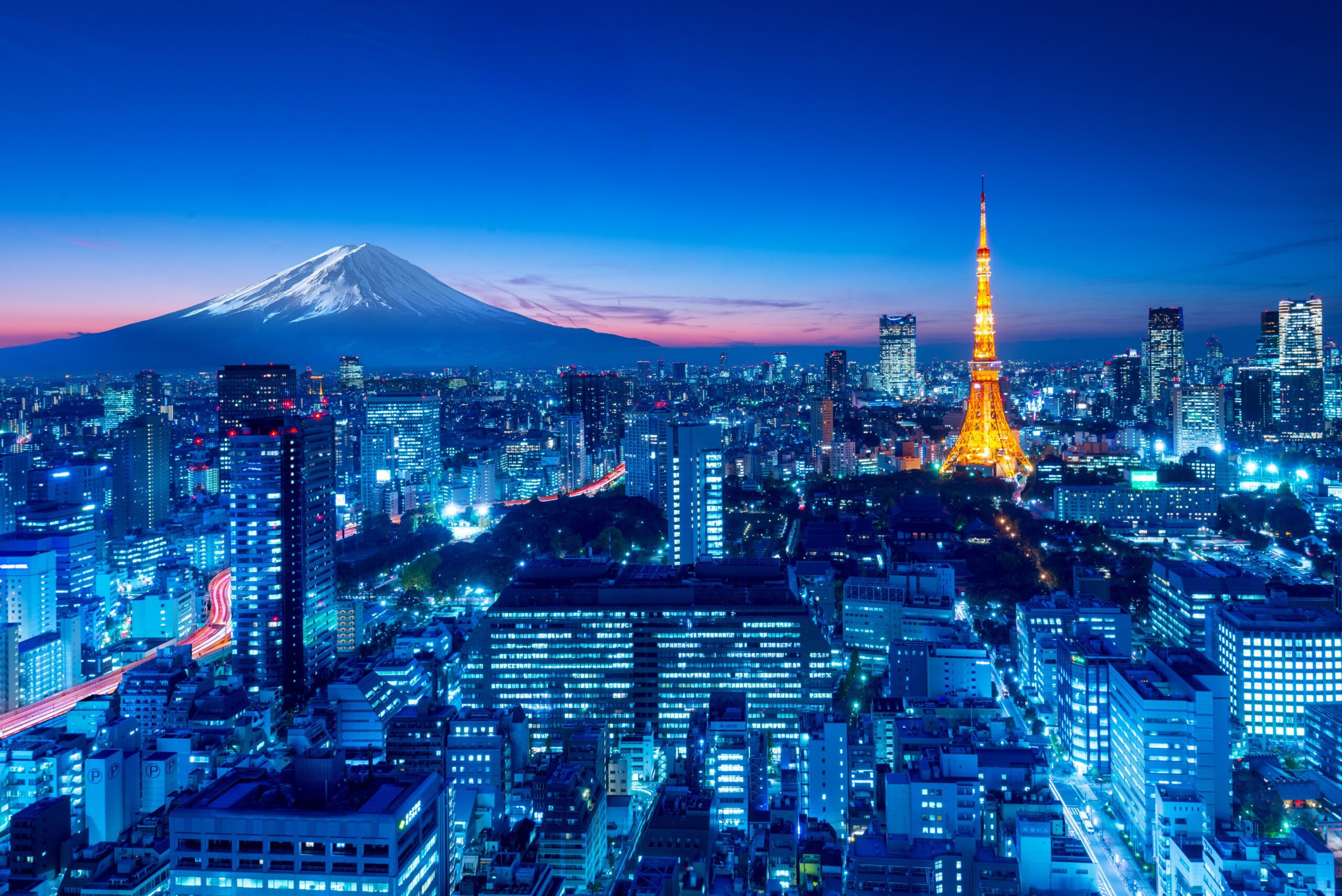
From neighbourhood shopping streets to accessible transport, Japan’s most liveable cities remove the everyday frustrations of urban life.

What makes a city genuinely easy to live in? It’s not necessarily gleaming skyscrapers or world-famous attractions, but whether you can get to work without a car, do your shopping on foot, navigate a train station in a wheelchair or push a pram safely down the pavement.

Japan’s cities are especially good at this. In the Economist Intelligence Unit’s 2026 Global Liveability Index, Osaka ranked seventh and Tokyo rose three places to 10th, making Japan the only Asian country with two cities in the top 10. 

This rise reflects perfect scores in the index for stability, healthcare and education, as well as strong infrastructure. But residents say the real difference is in the intentional and accessible design choices that make life run smoothly.

“Japan is built to work for everyone,” says Josh Grisdale, a power wheelchair user who runs Accessible Japan and has lived in Tokyo for 18 years. “The same ramps, elevators and space I use as a wheelchair user help a parent with a stroller, an older person or someone lugging a suitcase in from the airport.” 

1. Build cities around everyday life

Much of daily life in Japan plays out in the shotengai (covered shopping streets lined with independent businesses whose owners often live above their own shops). “A greengrocer, old coffee shop, clinic, 100-yen shop and dinner [options] all sit within a few flat, covered blocks,” says Grisdale. 

Grocery shopping was a chore that American Patrick Lydon dreaded when he lived in the United States. After moving to a modern Osaka neighbourhood, he and his wife traded their cars for bicycles, while a smaller house and a tiny refrigerator meant shopping more frequently.

2. Design transport for everyone

Japan’s transit systems are renowned for their reliability, safety and cleanliness. “The amazing public transportation network can take you everywhere,” says Keiko Ota, regional operations manager at G Adventures, who has lived in Tokyo for more than a decade. “I don’t have a driver’s licence, but I still feel complete freedom to go anywhere.”

3. Preserve a sense of place

Despite its famous bullet trains and busy urban hubs, Japan also values patience, continuity and a respect for tradition.

When Lydon registered his residence in Osaka, the district office worker pulled out a giant map book, erased the previous occupant’s name and pencilled his in. “As a guy who grew up working at Silicon Valley tech firms, that blew my mind,” he said. “Japan often doesn’t replace systems simply because newer technology exists. If something still works reliably, there’s less pressure to reinvent it.

4. Maintain manners in shared spaces

Human-scaled infrastructure only tells part of the story; the people who live in Japan’s cities also create the conditions for thriving. “Tokyo is incredibly busy, but people instinctively think about how their actions affect others,” said Kominami. “It’s not something people talk about much; it’s simply part of everyday life.”

Grisdale depends on that cooperation, and after nearly two decades living here, he ranks it alongside anything a government can build. “The manners matter as much as the hardware,” he said. “People queue on the platform marks, keep the trains quiet and give up priority seats and space without being asked. In a city this size, that keeps daily life calm for everyone.”

In Osaka, Lydon found himself changed by the way Japan operates with awareness and consideration for others. “Whether it’s lining up for trains, speaking quietly in public, not littering, separating recycling or saying ‘itadakimasu‘ (“I humbly receive”) before a meal, many daily habits remind you that you’re part of something larger than yourself,” he said. “Maybe that’s not a magic spell to fix the ills of the world, but personally it did help me lean towards kindness, beauty and peace.”

Read the full story Lindsey Galloway / BBC
Related Posts

Why architects are designing more than buildings
Art & Culture

Why architects are designing more than buildings

Sagrada Família’s 144-year journey nears its end
Art & Culture

Sagrada Família’s 144-year journey nears its end

Long after Steve Jobs’ turtleneck, there’s a new tech uniform
Art & Culture

Long after Steve Jobs’ turtleneck, there’s a new tech uniform

Furniture, architecture, fashion: 3 designers explain how AI is transforming everything
Art & Culture

Furniture, architecture, fashion: 3 designers explain how AI is transforming everything

‘The tactics of a master mischief-maker’: The hidden history of a controversial $6m banana
Art & Culture

‘The tactics of a master mischief-maker’: The hidden history of a controversial $6m banana

Ralph Lauren proves the American dream still sells
Art & Culture

Ralph Lauren proves the American dream still sells

‘Courage and contradictions’: what Gloria Steinem meant to feminist writers from around the world
Art & Culture

‘Courage and contradictions’: what Gloria Steinem meant to feminist writers from around the world

Artworks stolen from Renoir Museum
Art & Culture

Artworks stolen from Renoir Museum

The Lucas Museum Doesn’t Have a Narrative
Art & Culture

The Lucas Museum Doesn’t Have a Narrative

Heart, hope and a steely determination: Dolly Parton’s musical legacy
Art & Culture

Heart, hope and a steely determination: Dolly Parton’s musical legacy

No Result
View All Result

Recent Posts

  • October jobs report smashes estimates, adding 165,000
  • Midterms see Tesla and SpaceX lose over $420 billion in combined market cap
  • The friction-free design principles at the heart of Japan’s busiest cities
  • Spain’s secret art island
  • How to Fall Asleep in 10, 60, or 120 Seconds

Archives

Categories

  • Art & Culture
  • Business
  • CEO Interviews
  • CEO Life
  • Editor´s Choice
  • Entrepreneur
  • Environment
  • Food
  • Health
  • Highlights
  • Industry
  • Innovation
  • Issues
  • Management & Leadership
  • News
  • Opinion
  • PrimeZone
  • Printed Version
  • Technology
  • Travel
  • Uncategorized

Meta

  • Log in
  • Entries feed
  • Comments feed
  • WordPress.org

  • CONTACT
  • GENERAL ENQUIRIES
  • ADVERTISING
  • MEDIA KIT
  • DIRECTORY
  • TERMS AND CONDITIONS

Advertising –
advertising@ceo-na.com

110 Wall St.,
3rd Floor
New York, NY.
10005
USA
+1 2125 9933 0330

UK
Collingwood Buildings,
38 Collingwood Street,
Newcastle Upon Tyne
NE1 1JF

  • News
  • CEO Interviews
  • Opinion
  • Technology
  • Environment
  • CEO Life

  • CONTACT
  • GENERAL ENQUIRIES
  • ADVERTISING
  • MEDIA KIT
  • DIRECTORY
  • TERMS AND CONDITIONS

Advertising –
advertising@ceo-na.com

110 Wall St.,
3rd Floor
New York, NY.
10005
USA
+1 2125 9933 0330

UK
Collingwood Buildings,
38 Collingwood Street,
Newcastle Upon Tyne
NE1 1JF

CEO North America © 2024 - Sitemap

Welcome Back!

Login to your account below

Forgotten Password?

Retrieve your password

Please enter your username or email address to reset your password.

Log In
No Result
View All Result
  • Home
  • News
    • Business
    • Entrepreneur
    • Industry
    • Innovation
    • Management & Leadership
  • CEO Interviews
  • Opinion
  • Technology
  • Environment
  • CEO Life
    • Art & Culture
    • Food
    • Health
    • Travel

© 2026 JNews - Premium WordPress news & magazine theme by Jegtheme.