Tuesday, February 3, 2026
  • Login
CEO North America
  • Home
  • News
    • Business
    • Entrepreneur
    • Industry
    • Innovation
    • Management & Leadership
  • CEO Interviews
  • Opinion
  • Technology
  • Environment
  • CEO Life
    • Art & Culture
    • Food
    • Health
    • Travel
No Result
View All Result
  • Home
  • News
    • Business
    • Entrepreneur
    • Industry
    • Innovation
    • Management & Leadership
  • CEO Interviews
  • Opinion
  • Technology
  • Environment
  • CEO Life
    • Art & Culture
    • Food
    • Health
    • Travel
No Result
View All Result
CEO North America
No Result
View All Result

CEO North America > Opinion > Key Takeaways From Treasury’s Foreign Exchange Report

Key Takeaways From Treasury’s Foreign Exchange Report

in Opinion
Key Takeaways From Treasury’s Foreign Exchange Report
Share on LinkedinShare on WhatsApp

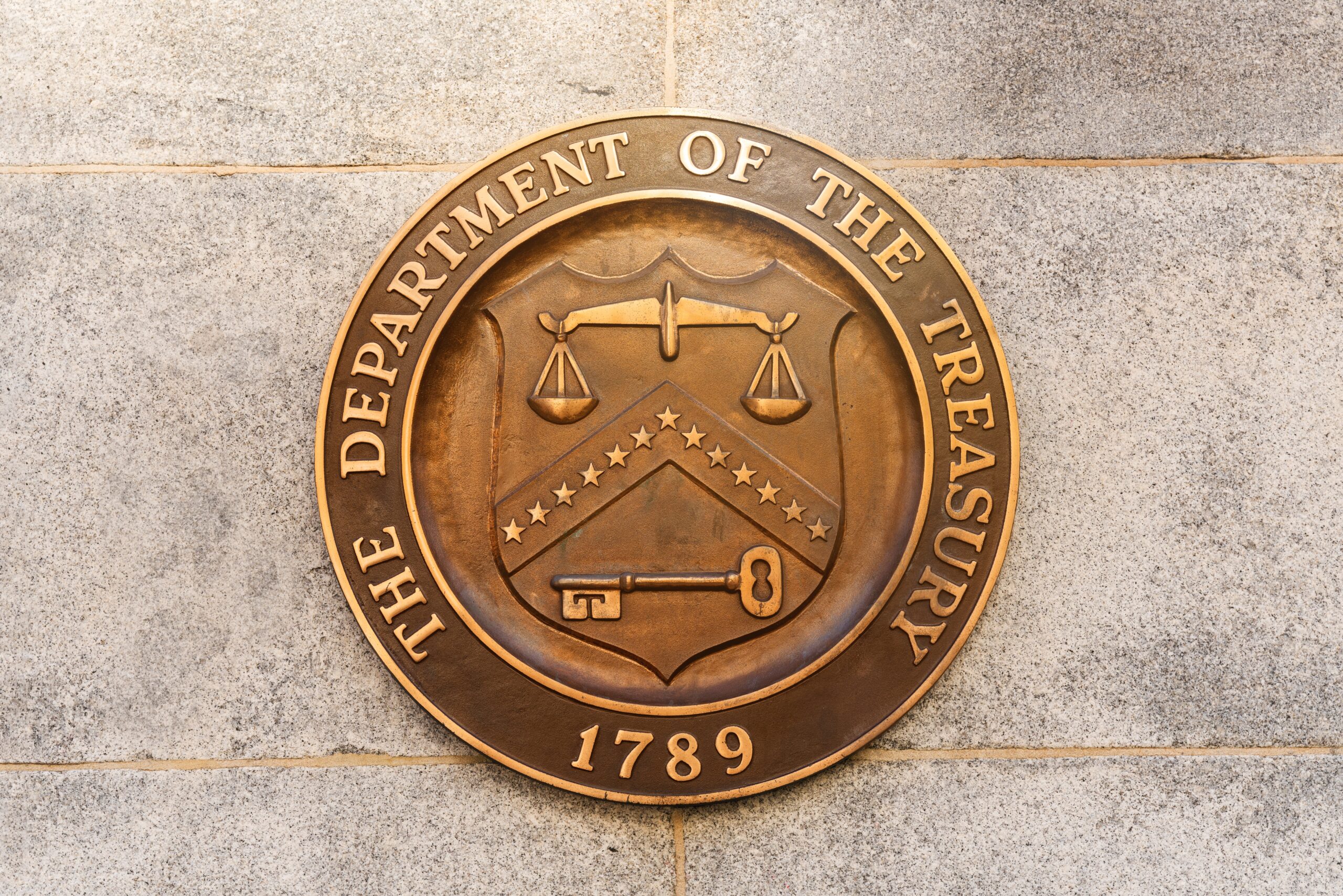
The U.S. Treasury Department provides a report to Congress each year detailing and assessing developments in international economic and exchange rate policies. This semi-annual report, required by law, focuses on close U.S. trading partners that make up about 78 percent of U.S. foreign trade in goods and services. Given the substantive changes to trade that the United States has adopted since President Donald Trump returned to the White House, this report takes on new significance this year. Brad W. Setser, a senior economics fellow at CFR, went line by line through the executive summary of the June report and broke down the document’s latest conclusions.

Setser: There are no crazy manipulation designations made for political points or other unexpected surprises in this report, but it is still an important document. This report commits the Treasury to making long overdue technical adjustments to its methodology that will increase the odds that countries are labeled “currency manipulators” in the future. Taiwan is at particular risk, as is China. Let’s dive in.

In this Administration, the Secretary of the Treasury will be vigilant in identifying and taking action against currency manipulation. Treasury will also examine other macroeconomic and financial policies implemented by our trading partners that propagate imbalances or result in an unfair competitive advantage in trade.

Sounds tough, but this statement is generally in line with past policy. Most recent Treasury secretaries would be comfortable making these points. In fact, Yellen made this clear in 2021, noting that the intentional targeting of exchange rates is “unacceptable.”

There has been a decline in the scale and persistence of foreign exchange intervention among most major U.S. trading partners in recent years, but the damage done is long lasting, including through the reallocation of supply chains and their associated quality jobs, as well as the loss of the homeland’s ability to manufacture critical defense and industrial equipment.

This statement is new, and sets the analytical foundation for looking at past intervention as well as current intervention in future reports. It is also accurate in my view.

The nominal trade-weighted dollar strengthened 9.0% over the four quarters through December 2024, appreciating against advanced economy currencies by 7.7% and emerging market economy currencies by 10.3%.

This is something that is often missed in the discussion about the dollar’s reserve currency status. The dollar is exceptionally strong, even for a reserve currency. And if the dollar had stayed at its 2024 levels, the U.S. trade deficit would almost certainly have kept on growing.

In this Report, Treasury finds that no major trading partner met all three criteria under the 2015 Act during the four quarters ending December 2024, such that no major trading partner requires enhanced analysis.

This is 100 percent as expected. The big economies just weren’t active in the foreign exchange market in 2024. This year will likely be different, as intervention tends to pick up when the dollar depreciates. Taiwan, for example, added $10 billion to its reserves in May. If this pace of intervention is sustained for several months, that would almost assure that it would meet the criteria in the next foreign exchange report.

Read the full article by Brad W. Setser / Council on Foreign Relations

Related Posts

Why Even Well-Known Brands Can’t Stop Advertising
Opinion

Why Even Well-Known Brands Can’t Stop Advertising

Preparing for a New Era in Telecom M&A
Opinion

5 Forces Driving M&A in 2026

How commerce media is finally bridging the CMO–CFO divide
Opinion

How commerce media is finally bridging the CMO–CFO divide

How much time should an executive invest in training?
Opinion

How much time should an executive invest in training?

When Supply-Chain Disruptions Strike, Preparation Is Everything
Opinion

When Supply-Chain Disruptions Strike, Preparation Is Everything

2026 Stock Market Outlook: The Bull Market Still Has Room to Run
Opinion

2026 Stock Market Outlook: The Bull Market Still Has Room to Run

Inflation no longer outweighs US wages
Opinion

US GDP Growth Is Projected to Outperform Economist Forecasts in 2026

Job security concerns are fueling side hustles in 2026
Opinion

Job security concerns are fueling side hustles in 2026

Span of Control: What’s the Optimal Team Size for Managers?
Opinion

Span of Control: What’s the Optimal Team Size for Managers?

From pilots to performance: How COOs can scale AI in manufacturing
Opinion

From pilots to performance: How COOs can scale AI in manufacturing

No Result
View All Result

Recent Posts

  • Rare earth stocks jump after Trump launches $12 billion critical minerals stockpile
  • Disney names Josh D’Amaro as new CEO
  • Palantir stock surges after full-year results beat estimates
  • PayPal appoints HP’s Enrique Lores as CEO
  • Why Even Well-Known Brands Can’t Stop Advertising

Archives

Categories

  • Art & Culture
  • Business
  • CEO Interviews
  • CEO Life
  • Editor´s Choice
  • Entrepreneur
  • Environment
  • Food
  • Health
  • Highlights
  • Industry
  • Innovation
  • Issues
  • Management & Leadership
  • News
  • Opinion
  • PrimeZone
  • Printed Version
  • Technology
  • Travel
  • Uncategorized

Meta

  • Log in
  • Entries feed
  • Comments feed
  • WordPress.org

  • CONTACT
  • GENERAL ENQUIRIES
  • ADVERTISING
  • MEDIA KIT
  • DIRECTORY
  • TERMS AND CONDITIONS

Advertising –
advertising@ceo-na.com

110 Wall St.,
3rd Floor
New York, NY.
10005
USA
+1 212 432 5800

Avenida Chapultepec 480,
Floor 11
Mexico City
06700
MEXICO

  • News
  • CEO Interviews
  • Opinion
  • Technology
  • Environment
  • CEO Life

  • CONTACT
  • GENERAL ENQUIRIES
  • ADVERTISING
  • MEDIA KIT
  • DIRECTORY
  • TERMS AND CONDITIONS

Advertising –
advertising@ceo-na.com

110 Wall St.,
3rd Floor
New York, NY.
10005
USA
+1 212 432 5800

Avenida Chapultepec 480,
Floor 11
Mexico City
06700
MEXICO

CEO North America © 2024 - Sitemap

Welcome Back!

Login to your account below

Forgotten Password?

Retrieve your password

Please enter your username or email address to reset your password.

Log In
No Result
View All Result
  • Home
  • News
    • Business
    • Entrepreneur
    • Industry
    • Innovation
    • Management & Leadership
  • CEO Interviews
  • Opinion
  • Technology
  • Environment
  • CEO Life
    • Art & Culture
    • Food
    • Health
    • Travel

© 2026 JNews - Premium WordPress news & magazine theme by Jegtheme.