How can North America’s C-Suite Turn Inflation, Tariffs, and AI Uncertainty into Opportunity?
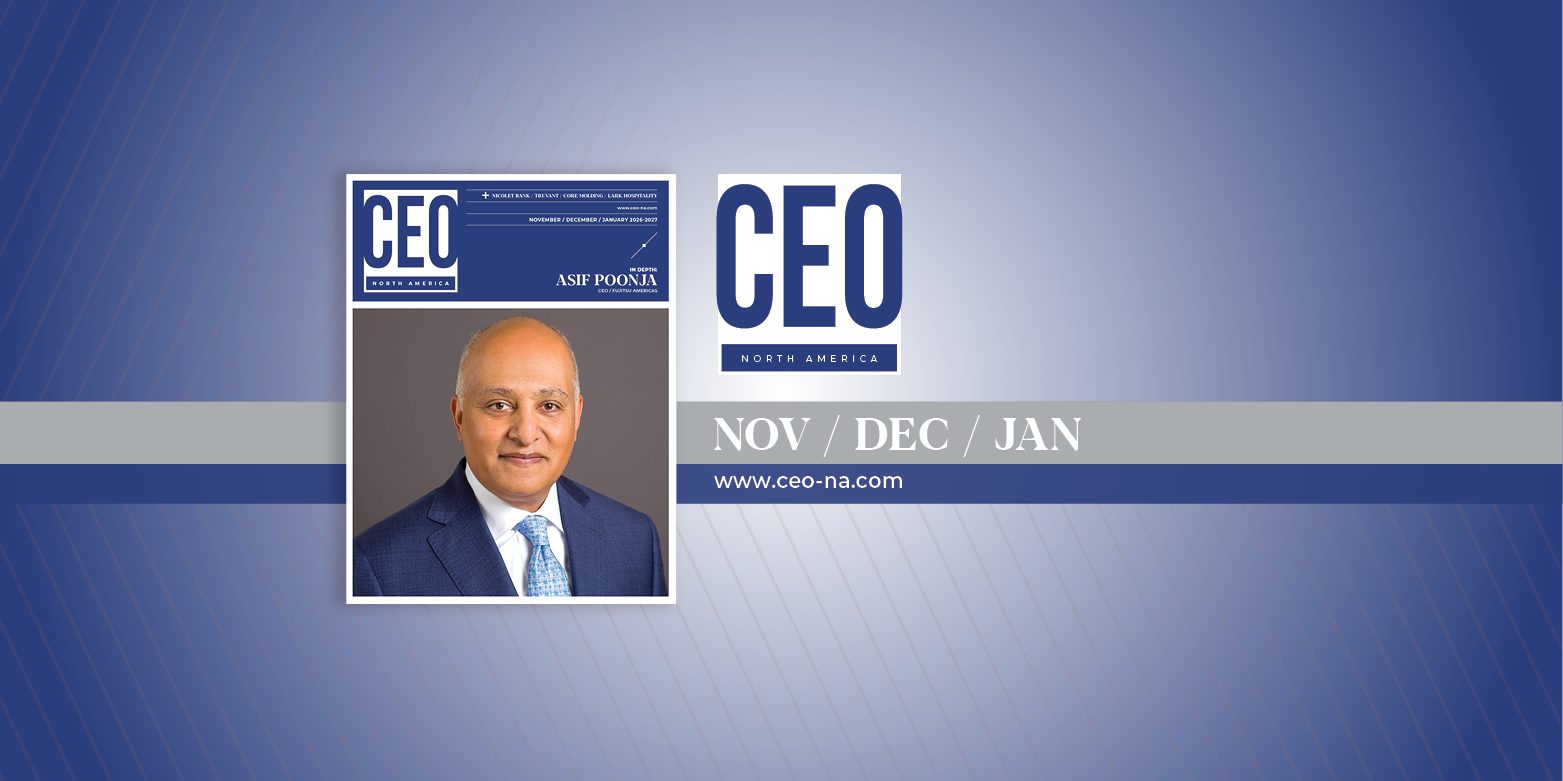
CEO North America / Nov – Dec – Jan 2026/2027
As 2026 enters its final stages, North American business leaders face mounting pressure from rising costs driven by shifting trade dynamics, growing geopolitical uncertainty, and new market disruptions tied to AI.
The U.S. economy has demonstrated continued resilience, with Q3 GDP growth revised upward to 2.3% annualized, according to the Bureau of Economic Analysis. Consumer confidence has rebounded slightly, but business investment remains mixed amid ongoing policy debates. In Canada, Statistics Canada’s latest reports show Q3 GDP growth at 1.2%, buoyed by strong retail sales in October and early holiday spending. Mexico is riding a wave of success, following a recent $6.7 billion trade surplus in October, with INEGI attributing gains to sustained demand for automotive and electronics exports.
The Federal Reserve’s latest rate hike has intensified cost-of-living pressures, with U.S. inflation trending toward 3.6% in Q4 and possibly settling near 3% by January if energy prices stabilize. The Bank of Canada’s latest Monetary Policy Report forecasts inflation at 2.7% by year-end, though volatile fuel and food prices remain risks. Banco de México has revised its forecast upward, now expecting inflation to remain above 5.2% through January 2027, driven by higher energy import costs and peso fluctuations. Labor markets remain tight, with BLS reporting unemployment at 4.1% in the U.S., 6.3% in Canada, and 2.2% in Mexico.
AI-driven cyber incidents and warnings of existential risks have made capital flows more cautious, especially for AI-heavy firms. The recent Binance hack has shaken crypto markets, prompting record withdrawals and renewed scrutiny over digital asset security. This quarter, volatility is likely as companies increase AI safety investments and regulators debate new oversight.
The World Bank’s latest report warned that disruptions in the Red Sea and Eastern Mediterranean could raise global shipping costs by up to 25% if instability continues, pressuring North American importers and exporters. U.S. and Canadian manufacturers are diversifying suppliers and investing in nearshoring to mitigate these risks.
As 2027 approaches, the U.S. has imposed a new round of tariffs on imported goods, reigniting global trade tensions. Key sectors, including consumer electronics, automotive, and agriculture, face higher costs and must adjust supply chains. The Peterson Institute for International Economics warns that unresolved disputes could trigger new tariff threats in early 2027.
To turn inflation, tariffs, and AI uncertainty into opportunity, North America’s C-suite must remain agile and forward-thinking. Success in the coming months will depend on adapting strategies to manage volatility, deepening investment in talent and technology, and strengthening operational resilience.
Leaders who can innovate amid disruption, anticipate regulatory shifts, and navigate global risks will be best positioned to turn today’s challenges into tomorrow’s growth.
̶ Stuart James, Editorial Director
Would your business benefit from our executive and investor readership in 2027? Get in touch at stuart.james@ceo-na.com

In Depth Interviews with…
054-059 Asif Poonja, CEO, Fujitsu Americas
060-067 Mike Daniels, Chairman, President and CEO, Nicolet Bankshares, Inc.
068-077 Stewart Atkinson, CEO, Truvant
078-085 Eric L. Palomaki, President & CEO, Core Molding Technologies
086-089 Peter Twachtman, CEO, Lark Hospitality