Cape Town, Kruger National Park, KwaZulu-Natal in South Africa has some big-hitting sights. But many visitors leave the country’s largest city, Johannesburg, off their itineraries. This is a mistake: it’s the best place to learn about South Africa’s past and look to its future. And if you need a break from the city’s size and energy, you can head off for nearby safaris, adventure sports and glimpses into the history of humanity.
Whether it’s your first visit to South Africa or your 50th, you should make time to feel the Jozi vibes – here is your Johannesburg travel guide to get the most out of your trip.
Soak up the energy in Jo’burg
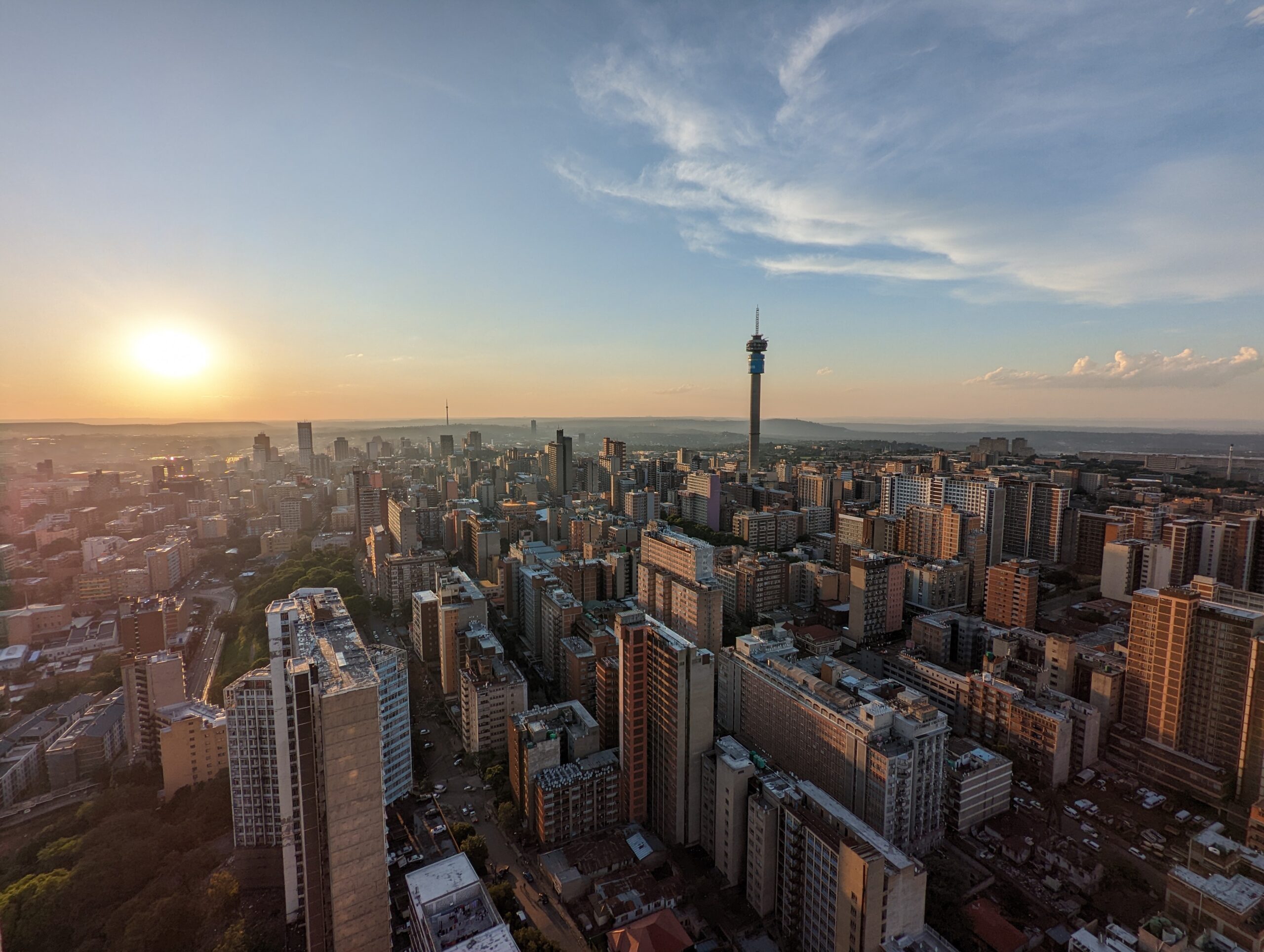
Johannesburg is South Africa’s most diverse, progressive and energetic city, the country’s best showcase for activism and optimism. There’s really nowhere better if you want to see the face of modern South Africa and get a sense of how far the nation’s come and where it’s going next.
Though the city – like the rest of South Africa – is still dealing with the legacy of racial segregation, it has become a truly diverse place. Walk around Johannesburg and you’ll hear snatches of Afrikaans, Zulu and Xhosa, but you may also catch some Urdu, Hindi or Chinese.
High-intensity in everything it does, Johannesburg manages not only to be the country’s biggest and the continent’s richest city but also – at least according to the locals – the world’s largest man-made forest. There are some ten million trees dotted around, lending the place a surprisingly fresh and spacious feel.
Start planning your South Africa trip with our inspiring South Africa itineraries.
How should I spend a day in Johannesburg?
As you’d expect from a city this size, there’s a lot to do – starting with retail therapy. Other than Melville’s 27 Boxes, a bunch of shipping containers filled with shops and restaurants, the northern suburbs are mostly home to opulent, anonymous malls. Downtown is much more inspiring, Maboneng’s Market on Main – a Sunday staple for arts, crafts and street food – and Collector’s Treasury – a labyrinthine, longstanding bookshop – among the best spots.
To get to grips with Johannesburg, try one of the excellent tours on offer. Maboneng Walking Tour, for instance, you’ll discover the transformation of this creative inner-city precinct. To learn about Soweto, try Johannesburg and Soweto Full Day Tour. The knowledgeable local guides will show you both the township’s struggles and its hopes for the future.
The city’s museums include MOAD, the continent’s first museum dedicated to design, and Newtown’s cavernous MuseuMAfricA, with thoughtful exhibits on Johannesburg’s art and history.
Further from the centre, the Apartheid Museum is a nuanced exploration of the history and legacy of racial segregation in South Africa, which is also the focus at the Mandela House Museum and Hector Pieterson Memorial and Museum in Soweto. To discover these notable displays of history, join the Apartheid Museum Day Tour with entry tickets included.
Guide to Johannesburg at night
Start your Friday or Saturday night in Fordsburg, the historic Indian district, and hit up the night market around Mint Street. Arrive hungry, as you won’t be able to resist just one samosa, a tiny bite of uttapam, a couple of jalebi…
If you’re still (somehow) hungry, head next to Maboneng for memorable African-Asian fusion at Blackanese, a generous Argentine grill at Che, or Ethiopian cuisine at Little Addis Cafe. After dinner, join the young, mixed crowd at Living Room for a sundowner with a view.
Continue your night by exploring Joburg’s thriving jazz scene – Braamfontein institution The Orbit is known as South Africa’s best jazz bar, with Sophiatown’s Afrikan Freedom Station another historic venue. A more recent addition is the Marabi Club, which pays homage to the early 20th-century marabi music scene; the classic cocktails and waistcoated waiters set the vintage vibe.
Get more useful information for your trip with our useful tips for travelling to South Africa.
Guide to Johannesburg accommodation
The northern suburbs offer luxury hotels and prestigious developments, with Sandton the best known – but its international hotel chains and mega-malls could be anywhere. Melville and Parkhurst are less polished, more endearing options with good streetlife and independent businesses; consider Little Forest Guest House and Die Agterplaas.
In the CBD (Central Business District), you could spoil yourself with a stay at the new Hallmark House hotel, in an arresting industrial-style building just outside Maboneng. An excellent budget option is Curiocity Backpackers, right in the heart of the district.
Alternatively, head to Soweto and stay at Lebo’s Soweto Backpackers, run by local Lebo Malepa. This sprawling township – about a third of Joburgers live here – is where the city’s non-white residents were forced to live during apartheid. Its history is one of struggle but also of hope, encapsulated by Vilakazi Street, where you can see the homes of both Nelson Mandela and Desmond Tutu.
When should I go to Johannesburg?
The best time to visit Johannesburg depends a bit on what you want to do, but here’s a breakdown of what you can expect.
Spring (September to November)
Spring, September, October and November, is one of the best times to visit Johannesburg. The weather is mild, with daytime temperatures ranging from 15°C to 25°C (59°F to 77°F). The city comes alive with blooming jacaranda trees, creating a picturesque purple canopy. It’s also a great time for outdoor activities and exploring the city’s parks and gardens.
Summer (December to February)
Summer, December, January and February, in Johannesburg is warm, with temperatures between 20°C and 30°C (68°F to 86°F). This season brings afternoon thunderstorms, which can be a refreshing break from the heat. It’s a vibrant time with many festivals and outdoor events. However, it can be humid, so pack accordingly.
Autumn (March to May)
Autumn, March, April and May, is another ideal time to visit. The weather is pleasant, with temperatures ranging from 10°C to 25°C (50°F to 77°F). The city experiences less rainfall, making it perfect for sightseeing and enjoying the local culture.
Winter (June to August)
Winter, June, July and August, in Johannesburg is mild and dry, with temperatures between 4°C and 20°C (39°F to 68°F). It’s a great time to explore the city’s indoor attractions, such as museums and galleries. The evenings can be chilly, so pack warm clothing.