Breathtaking alpine scenery and budget prices make this Polish escape an alternative to Europe’s more famous mountain regions.
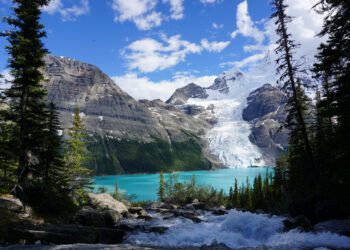
I had been hiking uphill for 10 knee-jarring kilometres (6.2 miles) when I finally arrived at a two-storey mountain hut. I was ready to drop to my knees, but not from fatigue. Before me was a cathedral of snowcapped mountains enveloping the glacial lake of Morskie Oko. It was mid-April, but the water was still frozen solid, with locals and tourists alike testing their weight on its icy edges.
These are the Tatras, a rugged slice of the Carpathian Mountains along the Slovak border. With alpine scenery, spectacular cave sytems and idyllic ski villages, they are also one of Europe’s most affordable hiking regions.
A budget hiker’s paradise
We found ourselves in the Tatras to celebrate a friend’s 30th birthday. Nothing less than a stunning outdoor destination would do but it had to be budget and, with 10 of us along for the party, somewhere we wouldn’t have to strain our limited funds by renting a car. We decided on Zakopane, a resort town bordering Tatra National Park.
Our choice was strategic: Zakopane is the premier hub for the Tatras, offering the widest array of accommodations and proximity to bus routes leading to the major Polish trailheads. The widespread, inexpensive Boltride-hailing service and low-priced minibuses known as busy meant our large group could easily explore the region’s woodland trails, lakes and waterfalls. The more intrepid members of our crew particularly looked forward to hiking the 2,499m (8198ft) high pyramid-shaped peak Rysy, the highest summit in Poland.
And the Polish złoty meant were able to enjoy this alpine scenery without the Alpine prices; five nights at our premium chalet, the Villa Birdhousefeaturing a sauna, terrace, barbecue and five rooms, would cost 1079.50 PLN (£225; $303) per person.
Mountains you can navigate by bus and taxi
Zakopane is dominated by Krupówki Street, a pedestrianised drag filled with gear shops, bars and restaurants. Over the five days, we became fond of Placki Ziemniaczane, an eatery serving “solid potato” on one side of the shop and “liquid potato” on the other (vodka).
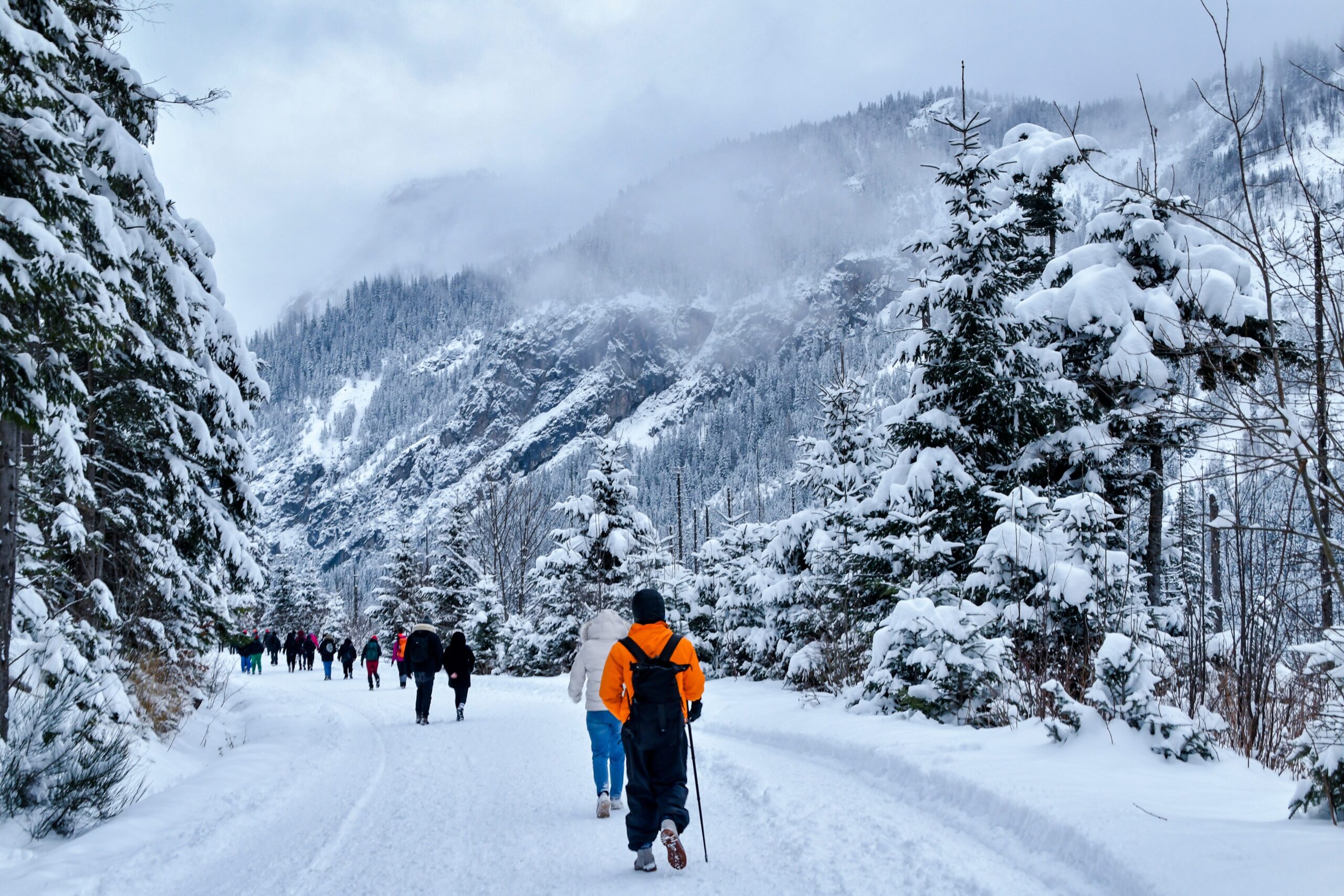
However, most of our time was spent in the national park. We celebrated our first full day with a hike to the oval-shaped Morskie Oko, its name translating to “Eye of the Sea”. After catching a thrifty Bolt to the trailhead, we hiked through deer-filled woodlands, sharing the well-marked, tarmacked trail with horse-drawn carriages carrying tourists. Along the way were scenic alpine bars, where we stopped for coffee to fuel us for the final push to our destination.
As we admired the wintry scene of imposing mountains hugging the frozen lake, we heard the rush of snow shifting down and witnessed the helicopter rescue of at least three hikers. This sobering reality of hiking in the quickly warming shoulder season made us reconsider our ambitious plan of climbing Rysy later in the week.
But upon returning to the trailhead, we were delighted to see a buswaiting. Busy function like the region’s public buses but only accept cash. They run between Zakopane and popular trailheads or attractions, only leaving when they’re full. After the 50-minute ride back to Zakopane centre, one of my friends and I decided to try Karczma Zapiecek, a traditional Polish Highlander restaurant where carvings and sleds hang from the ceiling. Waiters in traditional Polish dress filtered between rough-hewn wooden tables. I ordered two starters: pierogies filled with oscypek (smoked sheep’s milk cheese), and potato cakes topped with mushroom sauce.