Any air travel can be stressful, but facing down a long-haul flight can be especially intimidating.
Should you prioritize sleeping or eating, or both? Should you attempt to exercise in the aisle? Is it ever acceptable to take off your shoes?
Kris Major is a British flight attendant with 25 years’ experience. He’s worked short-haul hops and spent 14-hour stretches in the sky. He’s endured journeys with an unenviable number of layovers, and he’s become an expert in refueling via power naps at 30,000 feet.
As many of us prepare for long-haul trips over the summer, Major tells CNN Travel his tips and tricks on surviving multiple hours in the sky.
Should you eat before or during an overnight flight?
If you’re catching a night flight and you want to maximize sleep on board, Major suggests eating before boarding.
This is particularly important if the flight is on the shorter end of the long-haul scale: if you’re traveling from New York to London, for example, at best you’re looking at around five or six hours sleep, so you want to make the most of that rest time.
Major, who also represents European flight attendants and pilots as chair of the European Transport Workers’ Federation’s Joint Aircrew Committee, says it’s telling that most business travelers shut their eyes as soon as they get on board.
“The seasoned travelers, after takeoff, you go down the cabin and you can see that they’re gone – they’ve covered themselves up and they’re asleep,” he says.
Still, Major admits that eating before flying isn’t always doable, because of long security lines and busy airport terminals. Even if you have the best intentions, you can end up settling for a sad-looking sandwich as you run to the gate.
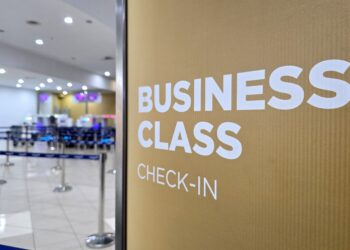
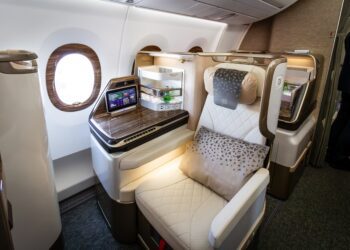
If you’re flying business or first class, you also might be tempted to make the most of food and drink offered on board – it’s hard to turn down complimentary champagne, after all.
But realistically, the cabin food and drink service can take a good two hours, so you’re losing valuable rest time – and your Business Class ticket should give you access to an airport lounge, so max out those facilities instead, and board the plane well-fueled and ready to rest.
So when should you eat on the plane?
If you’re flying long-haul, you’ll likely be offered more than one meal during the course of the flight.
Meal times start to feel a bit arbitrary when you’re crossing multiple time zones, but should you eat whenever food is offered to you? Or should you turn meals down if you’re not hungry or trying to sleep?
Major says passengers should do whatever’s right for their travel schedule. If you’re exhausted, you’re better off sleeping than forcing yourself to eat dinner at the equivalent of 3 a.m.
“Most airlines don’t particularly plan their [food] service around the passenger and acclimatization and time zones crossing,” explains Major.
Should you bring a travel pillow or rely on the airline offerings?
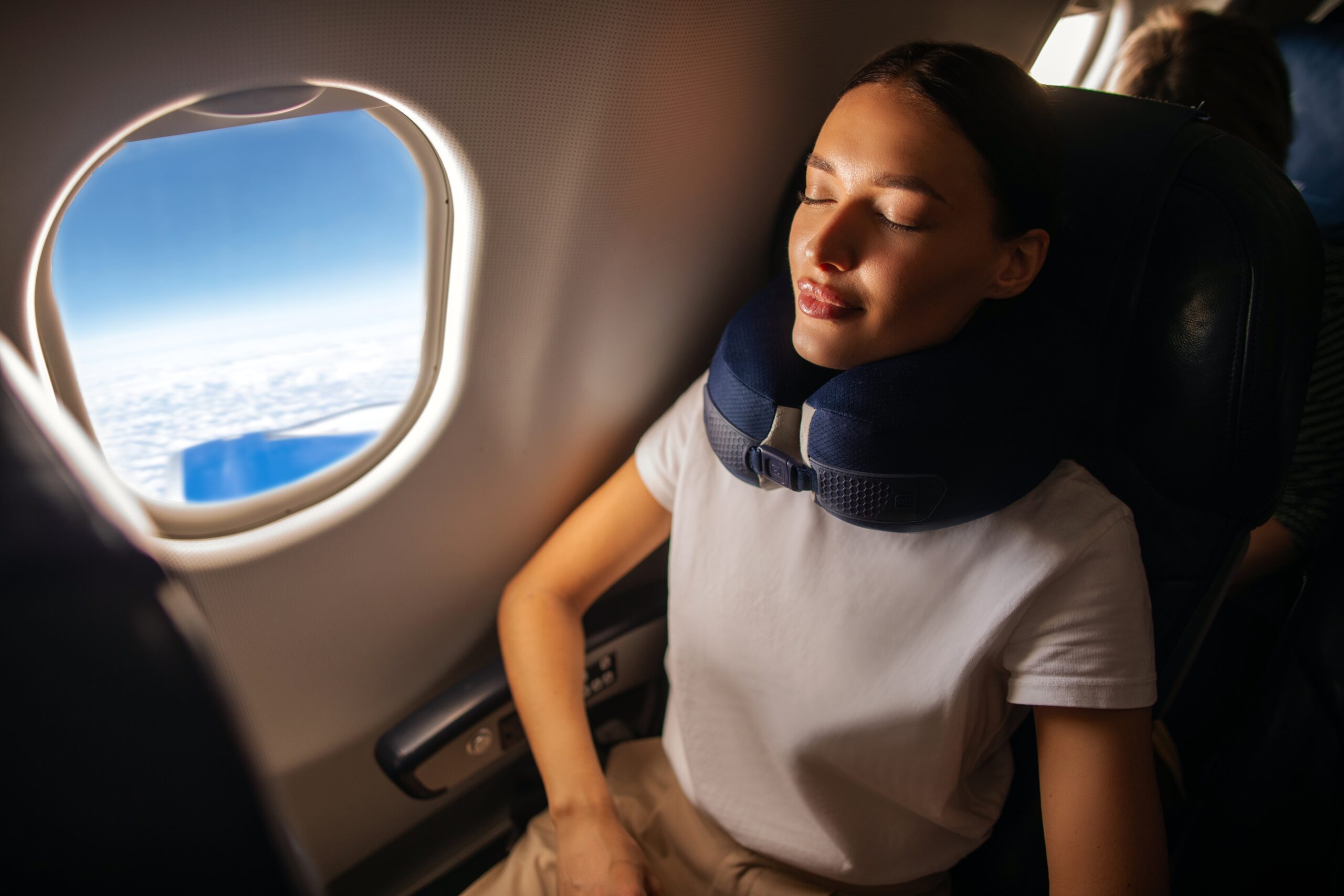
Airlines usually provide pillows for long-haul travelers, no matter the cabin, but Major says bringing your own eye mask, travel pillow and/or a blanket could be a good idea depending on your preferences.
Eye masks are great if you’re trying to sleep when the cabin lights are on, while you might prefer your own travel pillow to the airline version.
Plus, while it’s rare, there’s always the chance that pillows are unavailable – something that could be a big problem on a 14-hour flight.
“It happens,” says Major. “So I would say, cater yourself for your own comfort and your own needs as much as you possibly can.”
What if you can’t sleep?
Many of us find it difficult to sleep on airplanes, whether due to unfamiliar noises or, for the cheaper seats, limited leg room and upright positions.
Struggling to sleep on a long flight, knowing you’re going to pay for the lost hours when you land, can be an unpleasant cycle of worry.
Should you persevere and keep trying, or give up and watch a movie?
Major says there’s no point trying to force sleep, particularly if your body clock thinks it’s the middle of the day and you’re simply not tired.
But he cautions that it’s important to bear in mind what you’re doing at the other end. If you’re going to be driving, for example, or going straight to a meeting, you should try and rest as much as you can.
Should you exercise on a long-haul flight?
Sitting in the same upright position for hours on end is uncomfortable, but it’s not always easy to get up to stretch. The seat belt sign might be switched on, or you might want to avoid disturbing your seat neighbor.
Major stresses that even just wiggling your toes while sitting in your seat is worthwhile.
“Do move around in your seat, move your legs, do what comes naturally – wiggle, move, get the blood flowing if that’s what you need to do. For people that have got circulatory issues, talk to your doctor,” he says.
What’s the best seat to book for a long flight?
If you’re worried about turbulence, Major advises that you try to sit near the front of the aircraft.
“You could be standing at the front and feel nothing, and down the back they’re bouncing all over the place – the aircraft moves differently down the back,” he explains.
If you’re tall, booking the emergency exit seat for the extra leg room could be worthwhile, although Major says it’s worth remembering “you can’t put your bags down at your feet or anything because it needs to be clear as an evacuation run.” Airlines also sometimes charge extra for seats with leg room.
Major’s personal choice on a long-haul flight is booking a window seat.
“That’s purely preferential, I can lean up against the bulkhead, pull my head down and go to sleep. Whereas you can’t when you’re in the aisle seats or the middle seat,” he says.
The middle seat is never enviable, but it’s perhaps particularly unappealing on a long flight. Major reckons it’s worth paying extra for the aisle or window, especially “if you need to sleep on the flight.”