The balcony solar revolution is coming to the United States, but not everyone has been able to benefit. The nearly 35% of Americans who rent could stand to gain the most from solar, but there is a potential barrier in the way: Their landlords.
This week, New Jersey became the tenth state to pass a bill allowing residents to purchase small plug-in solar installations, bypassing longstanding utility permitting laws. But the New Jersey bill went one step further, expanding plug-in solar access for renters by prohibiting landlords and homeowners’ associations from blocking them.
Following similar bills passed in Colorado and Virginia, it’s a move New Jersey lawmakers say will dramatically lower the barrier to entry for renters interested in solar who can’t afford or install expensive rooftop systems.
“At the end of the day, this is a bill for the consumer,” said New Jersey state Sen. John McKeon, a Democrat and the bill’s primary Senate sponsor. “When I count the votes, green is not red nor blue.”
It’s one step to tackle New Jersey’s energy affordability crisis. The Garden State saw a 17% jump in its electricity rates from 2024 to 2025, the biggest of any state (only beaten out by Washington, DC), according to a report from the US Senate Joint Economic Committee.
The bill will head next to Democratic Gov. Mikie Sherrill’s desk. A spokesperson for the governor did not comment on whether she’d sign it, but said Sherrill is examining the bill closely, and it is in line with her focus on lowering constituents’ electricity costs.
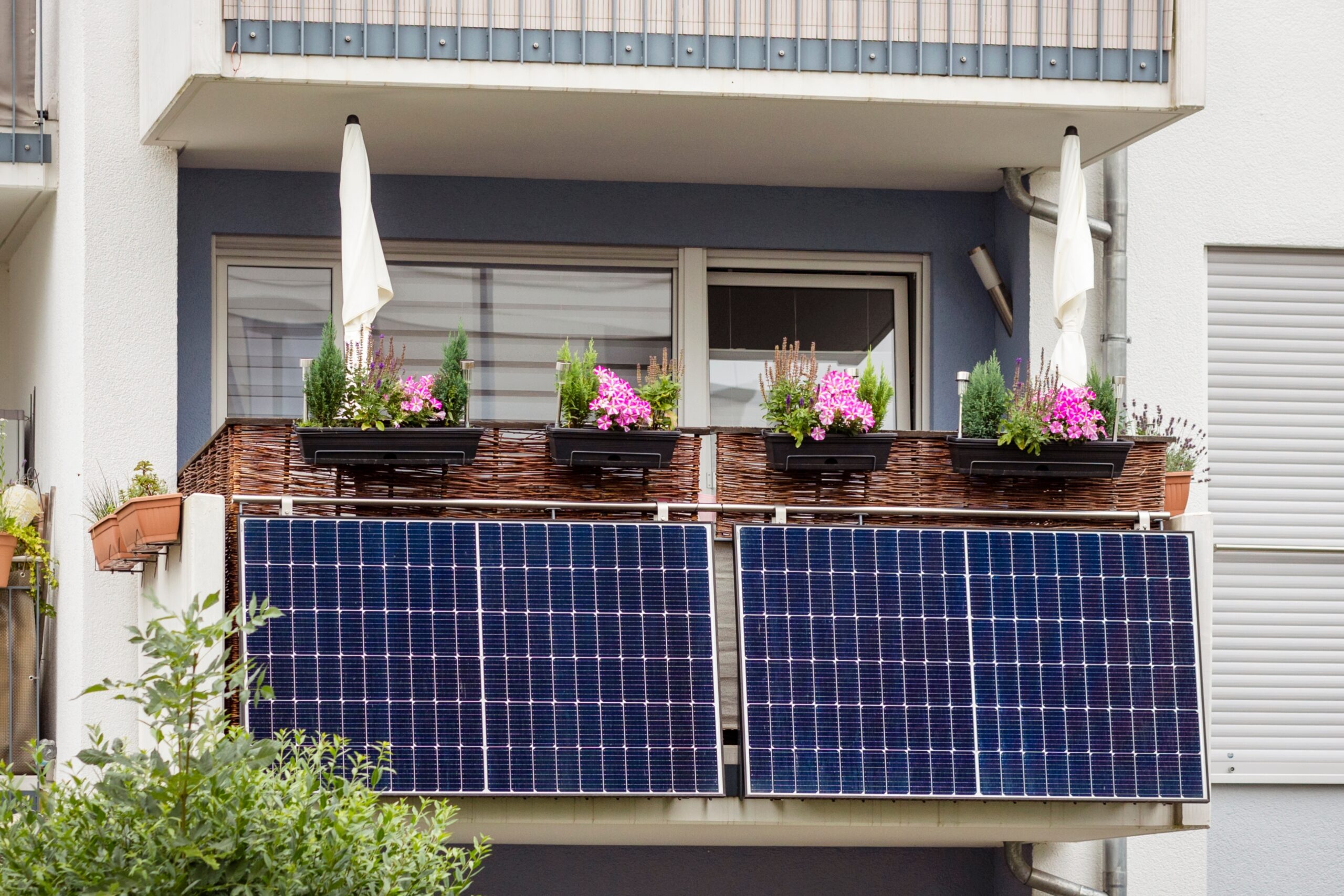
States are starting to codify a stealth backyard revolution that has been quietly growing in the US. Fed up with high electricity bills, consumers are starting to buy low-wattage solar systems they can plug into a regular outlet. Once connected, it feeds solar energy into a home to power appliances, rather than drawing that energy out of the home.
These panels, which can hang off outdoor balconies, aren’t big enough to power an entire home. But they can help shave money off monthly electricity bills, at a drastically lower up-front cost than a rooftop solar system, which can cost tens of thousands of dollars to install.
Balcony solar is a good option for renters who may move apartments, or first-time homebuyers who don’t want to invest thousands before moving again.
Most of balcony solar state laws adopted have broken down barriers that give electrical utilities the ability to reject balcony solar panels. But a few bills, including New Jersey, have added extra protections for renters that are “nation-leading,” said Hannah Birnbaum, co-founder and chief of advocacy at energy affordability nonprofit Permit Power.
“This is for people who live in apartments, who don’t own their roofs,” Birnbaum said.