Wednesday, April 29, 2026
  • Login
CEO North America
  • Home
  • News
    • Business
    • Entrepreneur
    • Industry
    • Innovation
    • Management & Leadership
  • CEO Interviews
  • Opinion
  • Technology
  • Environment
  • CEO Life
    • Art & Culture
    • Food
    • Health
    • Travel
No Result
View All Result
  • Home
  • News
    • Business
    • Entrepreneur
    • Industry
    • Innovation
    • Management & Leadership
  • CEO Interviews
  • Opinion
  • Technology
  • Environment
  • CEO Life
    • Art & Culture
    • Food
    • Health
    • Travel
No Result
View All Result
CEO North America
No Result
View All Result

CEO NA Magazine > CEO Life > Environment > The Rush to Quit Coal Is Leading Countries Into the “Gas Trap”

The Rush to Quit Coal Is Leading Countries Into the “Gas Trap”

in Environment
The Rush to Quit Coal Is Leading Countries Into the “Gas Trap”
Share on LinkedinShare on WhatsApp

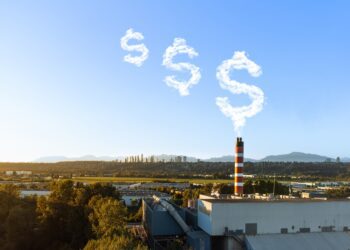
In much of the world, the best alternative to coal is natural gas, a fossil fuel that releases less carbon. Getting more countries to use gas will reduce emissions in the short term. But that switch comes with an unintended consequence. In a new paper, Bård Harstad, a professor of political economy at Stanford Graduate School of Business, and Katinka Holtsmark, an assistant professor of economics at the University of Oslo, show that natural gas exports have the effect of discouraging investments in renewable energy. Ultimately, that will increase carbon emissions over the long term, a dilemma the authors call “the gas trap.”

“The gas trap means that countries that are very climate-concerned might increase gas production even more,” says Harstad, a senior fellow at the Stanford Institute for Economic Policy Research. “The more they care about climate change, the more they try to outcompete coal. But the outcome of this well-intended action is a reduction in the investments of renewables and, ultimately, more emissions.”

Harstad hopes to alert policymakers and show them a way to avoid this pitfall. “Our hope is that this paper provides a warning,” he says. “Unless countries find a way to commit to reducing or regulating their production of natural gas, then their eagerness to compete with coal might do more harm than good.”

One temporary solution is natural gas, which releases about half the carbon emissions of coal. Switching to this “transition fuel” could give countries time to create more solar arrays and wind farms while satisfying their power needs with a less dirty solution. To incentivize other countries to buy natural gas, exporters make it cheap by extracting lots of it and undercutting the price of coal.

The alternative, Harstad and Holtsmark say, is for natural gas producers to make credible commitments to producing less so that investors who are looking more than a year into the future can see that it will be more profitable to put money into renewable energy in the long run. Fossil fuels won’t always be the cheapest option, but Harstad says renewables can take a few years to catch up and build capacity.

In their paper, Harstad and Holtsmark suggest three policies that would effectively limit natural gas production and jumpstart the market for renewables. The first is for gas-producing countries to make large-scale investments in renewables. Harstad says this would be a great option in places without a lot of renewable technology and where construction is cheap. However, this policy wouldn’t be feasible in Norway, where the cost of building large solar arrays, for example, is so expensive that it’s not realistic.

Another solution would be to levy a tax on search and exploration for natural gas. “Keeping new areas closed for exploration, or even limiting the number of licenses provided to the industry in already opened areas, must be expected to affect future extraction, and can thus pose as a commitment mechanism,” the authors write. Because it takes a year or more for new natural gas fields to be mined, these limits would reassure investors that the energy market will stay stable in the future and that it will be profitable to invest in renewables. In the U.S., the Biden administration used a similar strategy by limiting the creation of new terminals that could export natural gas.

Finally, Harstad and Holtsmark suggest creating a coalition of natural gas producers, similar to OPEC, which could work together to regulate prices. Such a coalition could include countries that are not highly motivated to combat climate change but would benefit from higher natural gas prices that boost their export revenues. With more financial incentives to switch to renewables, this arrangement could help steer more countries away from the gas trap.


Read the full article by Sara Harrison / Stanford Insights

Related Posts

The stunning underwater world that’s at risk as the Iran war drags on
Environment

The stunning underwater world that’s at risk as the Iran war drags on

There are fixes for AI’s toll on the power grid. Here’s why they’re not happening
Environment

There are fixes for AI’s toll on the power grid. Here’s why they’re not happening

Biden announces offshore wind rights sale in Gulf of Mexico
Environment

France’s Engie discussing refund for US offshore wind projects with Trump administration

Chef José Andrés warns war-driven inflation will cause a larger world hunger problem
Environment

Chef José Andrés warns war-driven inflation will cause a larger world hunger problem

Jet fuel shock from Iran war worsens crisis for global airlines
Environment

Jet fuel shock from Iran war worsens crisis for global airlines

‘The thaw is real’: Indian delegation visits China to talk EVs and more
Environment

‘The thaw is real’: Indian delegation visits China to talk EVs and more

What to know about the 4 people launching to make history around the moon
Environment

What to know about the 4 people launching to make history around the moon

The shift from oil isn’t just about being ‘green’ anymore. It’s a massive power move for national security.
Environment

The shift from oil isn’t just about being ‘green’ anymore. It’s a massive power move for national security.

CEO NA opens the bonnet to understand the latest state of play at Musk’s Tesla
Environment

Tesla Says Semi Battery Is ‘Designed To Last A Million Miles’

White House to pay TotalEnergies $1 billion to kill off East Coast wind farm projects
Environment

White House to pay TotalEnergies $1 billion to kill off East Coast wind farm projects

No Result
View All Result

Recent Posts

  • U.S. trade deficit widens as imports increase
  • Lululemon founder speaks out against new CEO appointment
  • Yum Brands reports solid Q1 driven by Taco Bell sales
  • AI in Family Offices
  • What Gen Z really wants: Rethinking commitment

Archives

Categories

  • Art & Culture
  • Business
  • CEO Interviews
  • CEO Life
  • Editor´s Choice
  • Entrepreneur
  • Environment
  • Food
  • Health
  • Highlights
  • Industry
  • Innovation
  • Issues
  • Management & Leadership
  • News
  • Opinion
  • PrimeZone
  • Printed Version
  • Technology
  • Travel
  • Uncategorized

Meta

  • Log in
  • Entries feed
  • Comments feed
  • WordPress.org

  • CONTACT
  • GENERAL ENQUIRIES
  • ADVERTISING
  • MEDIA KIT
  • DIRECTORY
  • TERMS AND CONDITIONS

Advertising –
advertising@ceo-na.com

110 Wall St.,
3rd Floor
New York, NY.
10005
USA
+1 212 432 5800

Avenida Chapultepec 480,
Floor 11
Mexico City
06700
MEXICO

  • News
  • CEO Interviews
  • Opinion
  • Technology
  • Environment
  • CEO Life

  • CONTACT
  • GENERAL ENQUIRIES
  • ADVERTISING
  • MEDIA KIT
  • DIRECTORY
  • TERMS AND CONDITIONS

Advertising –
advertising@ceo-na.com

110 Wall St.,
3rd Floor
New York, NY.
10005
USA
+1 212 432 5800

Avenida Chapultepec 480,
Floor 11
Mexico City
06700
MEXICO

CEO North America © 2024 - Sitemap

Welcome Back!

Login to your account below

Forgotten Password?

Retrieve your password

Please enter your username or email address to reset your password.

Log In
No Result
View All Result
  • Home
  • News
    • Business
    • Entrepreneur
    • Industry
    • Innovation
    • Management & Leadership
  • CEO Interviews
  • Opinion
  • Technology
  • Environment
  • CEO Life
    • Art & Culture
    • Food
    • Health
    • Travel

© 2026 JNews - Premium WordPress news & magazine theme by Jegtheme.