Oil fell the most since October after US President Donald Trump signaled he may hold off on attacking Iran for now.
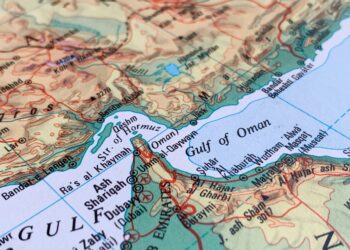
Brent slumped more than 4% to trade below $64 a barrel after an 11% jump over the past week. Trump said he’d been assured that Iran would stop killing protesters, reducing the likelihood of an immediate US military response and of disruptions to Iranian production and key shipping lanes.
A series of developments early on Wednesday had suggested strikes were imminent, with Iran briefly closing its airspace following reports of a redeployment of US troops in the region as Trump threatened to respond to the killings.
“Developments in Iran, so very much part of the driving force behind the recent rally, have taken a much less anxious turn overnight,” said John Evans, an analyst at brokerage PVM. “The ladder of risk premium has been lost.”
Oil has pushed higher in the new year as turmoil in OPEC’s fourth-largest producer, along with upheaval in Venezuela, added geopolitical risk to prices. There’s also been material disruption to Kazakh exports in the Black Sea due to a combination of drone attacks, maintenance and bad weather, which has also bolstered prices.
Crude’s major swings in recent days have also been driven by financial flows. Bullish options volumes are already heading for their second biggest week on record, and positioning in those markets has exacerbated prices swings in both directions.
Separately, President Trump told Reuters that he believes it would be better for Venezuela to remain in OPEC, but was unsure if that would be a better situation for the US, adding that Washington hadn’t discussed this with Caracas.