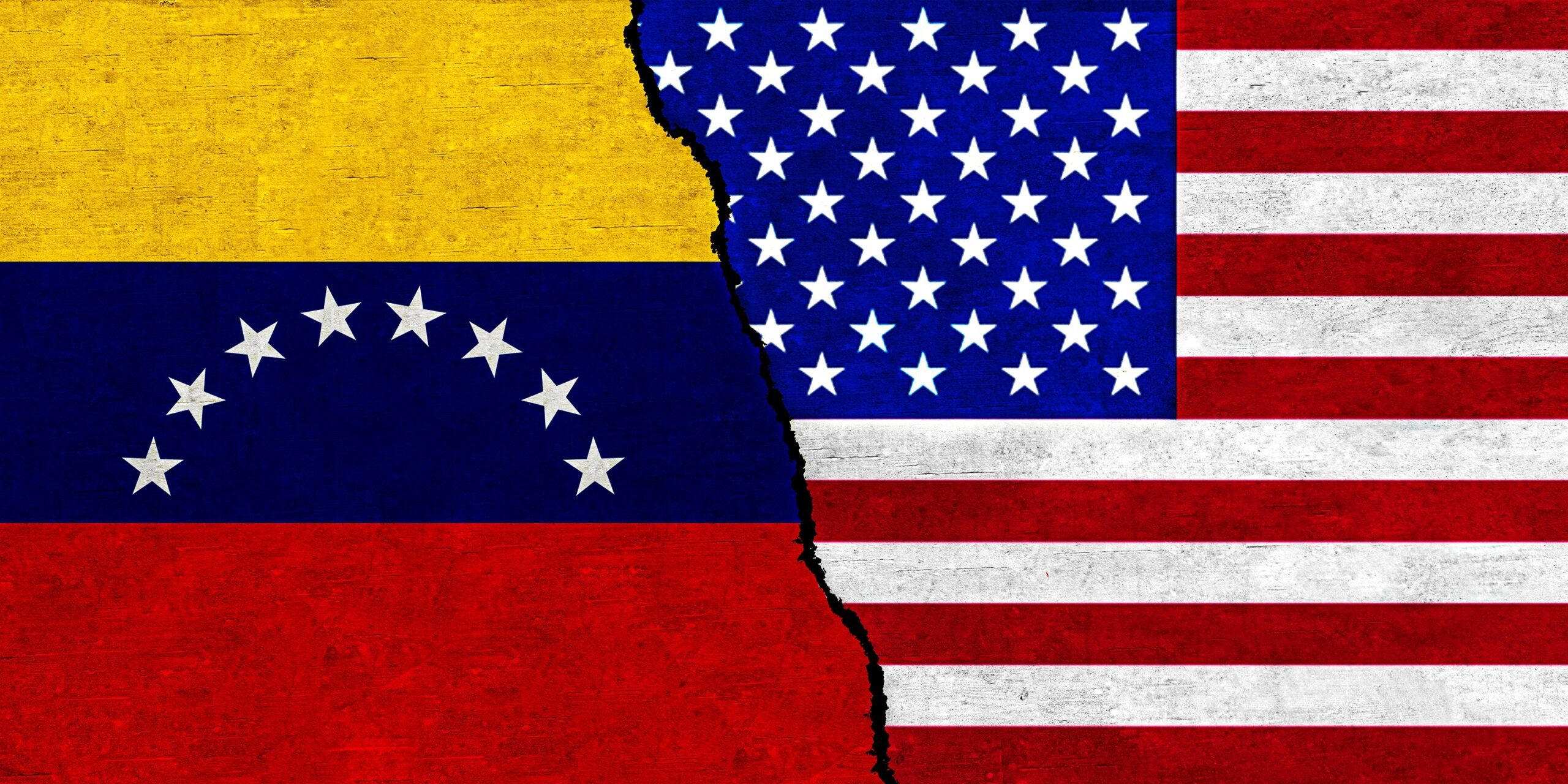
The United States rang in 2026 with a bang. Just days into the new year, U.S. special forces launched a raid on Caracas, seizing Venezuelan leader Nicolás Maduro and his wife, Cilia Flores. In the days that followed, triumphant U.S. officials announced that the United States will use its control over Venezuela’s oil flows to shape policymaking in Caracas, pressure Cuba and other Venezuelan allies, and drive oil prices down to President Donald Trump’s target of $50 per barrel.
Venezuela claims the world’s largest proven oil reserves, so it is not inconceivable that bringing them back online could eventually exert downward pressure on global oil prices. After decades of mismanagement and U.S. sanctions, however, Venezuela’s oil fields are in a decrepit state of disrepair, and the oil majors that Trump hoped would rush back into the market are wary after having been expropriated—more than once—by previous Venezuelan governments. Despite significant pressure from the White House, it remains unclear whether, or to what extent, these firms are willing to again risk touching that particular hot stove.
If the last few weeks have failed to clarify much about Venezuela’s future, they have revealed a great deal about how the United States intends to pursue its energy policy. Three CFR experts assess the United States’ actions in Venezuela and what they suggest about the Trump administration’s climate and energy policy.
U.S. ENERGY POLICY COMES TO CARACAS
Trump hasn’t just tipped the scales on American energy—he’s flipped the whole table in favor of fossil fuels. His Venezuela move is part of that playbook, aimed at getting the country’s heavy, sour crude oil flowing again to Gulf Coast refineries. But this all-in bet on fossil fuels comes with a price tag that will outlast Trump’s time in office.
On his first day back at the White House, Trump declared a national energy emergency, granting sweeping authority to agencies to bypass environmental rules and fast-track oil and gas infrastructure, framing fossil fuel production as a matter of survival. He expanded oil and gas development in Alaska, rolled back clean energy policies, and removed what he called “undue burdens” on drilling. His administration has ordered coal plants to remain operational past their planned retirement dates, opened more federal land to mining, and reduced the royalties that companies must pay the U.S. Treasury for drilling on federal land. On the international level, Trump is pulling the United States out of several global climate efforts, including the UN Framework Convention on Climate Change. Everywhere you look in the United States, fossil fuels are winning.
But when it comes to wind and solar? Not so much. Trump’s “One Big Beautiful Bill” gutted the tax credits aimed at accelerating the deployment of renewable energy. According to the New York Times, the same bill hands oil and gas companies about $18 billion in tax breaks—on top of the billions in annual subsidies they already receive. The Department of the Interior killed 5 offshore wind projects that could have powered 2.5 million homes and businesses and created 10,000 new jobs. The administration also scrapped the “social cost of carbon”—a metric for measuring the economic damage from burning fossil fuels—and is intervening in lawsuits and state legislation to protect oil companies from liability.
In that context, the Venezuela move is not a separate foreign policy, but rather an extension of Trump’s fossil fuel strategy beyond U.S. borders. Whether it’s securing Venezuelan crude oil or killing wind farms, the goal is the same: lock in fossil fuels for the long haul. By pushing massive investment in extraction, pipelines, and refineries, Trump is deepening U.S. dependence on fossil fuels in ways that will be difficult for any future administration to undo.
To be sure, Trump has thrown some support behind nuclear power and other technologies. And litigation has blocked some of the administration’s efforts to stymie clean energy. But those counterefforts do not come close to offsetting the methane and carbon that his “energy dominance” agenda will pump into the atmosphere. Theories abound as to why Trump has so tightly embraced fossil fuels, but whatever the reasons, the burning of fossil fuels continues to cause temperatures to rise.
Scientists determined that 2025 was the fourth hottest year on record for the contiguous United States, and in every U.S. county, human-caused climate change drove up temperatures. That extra heat exacerbated the Los Angeles wildfires and supercharged Hurricanes Milton and Helene. These climate-worsened disasters are hitting Americans in the wallet through higher insurance premiums, crumbling infrastructure, and increased health-care costs. How high will that bill get? Time will tell. But by locking in fossil fuels, Trump has also locked in escalating costs.