Wednesday, April 15, 2026
  • Login
CEO North America
  • Home
  • News
    • Business
    • Entrepreneur
    • Industry
    • Innovation
    • Management & Leadership
  • CEO Interviews
  • Opinion
  • Technology
  • Environment
  • CEO Life
    • Art & Culture
    • Food
    • Health
    • Travel
No Result
View All Result
  • Home
  • News
    • Business
    • Entrepreneur
    • Industry
    • Innovation
    • Management & Leadership
  • CEO Interviews
  • Opinion
  • Technology
  • Environment
  • CEO Life
    • Art & Culture
    • Food
    • Health
    • Travel
No Result
View All Result
CEO North America
No Result
View All Result

CEO NA Magazine > CEO Life > Environment > Sierra Club: No Blood OR Oil

Sierra Club: No Blood OR Oil

in Environment
Sierra Club: No Blood OR Oil
Share on LinkedinShare on WhatsApp

A rare political alignment offers an unmatched moment to finally break our addiction to fossil fuels

Across-the-board bipartisanship in Washington is as rare and stunning as a rainbow, so it’s good to pay attention when it happens. Just about everyone—from Trump stalwarts like Senators Tom Cotton and Lindsey Graham to progressive champions like Representatives Ro Khanna and Pramila Jayapal—supports cutting Russian oil imports to counter Vladimir Putin’s criminal invasion of Ukraine. There’s universal agreement that oil is Putin’s Achilles’ heel. 

I keep thinking back to another moment, nearly 20 years ago, when millions of Americans made the connection between war and fossil fuels.

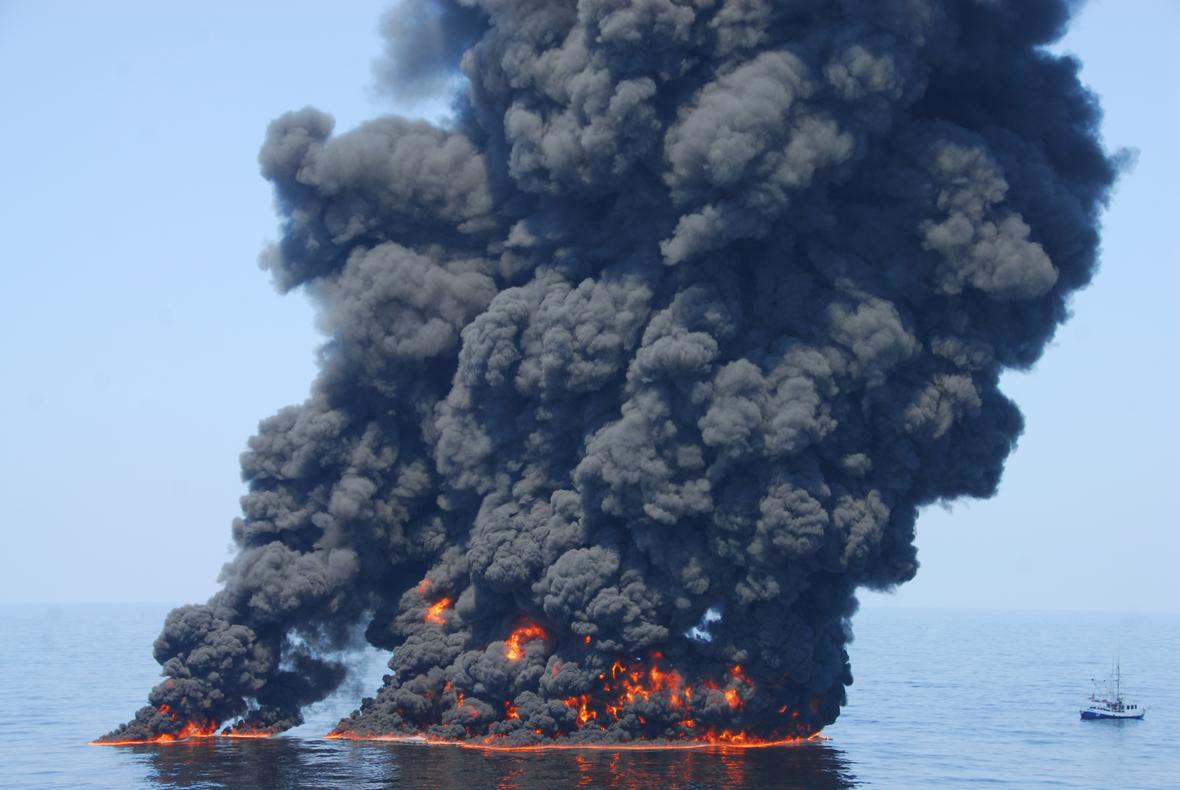
Maybe you were there and remember it too. In February 2003, millions of people across the United States marched against President George W. Bush’s plan to invade Iraq. Many of us in the streets carried signs and banners that read “No Blood for Oil.” It was a demand anchored in anger over how a preoccupation with the oil-rich Middle East has warped US foreign policy. In four short words, that slogan called for bolstering US security and global peace by reducing our dependence on the dark lifeblood of industrial society: oil and gas.

Those were heady days for the American peace and justice movement. The New York Times declared “world public opinion” a second “superpower”—the only force capable of frustrating the militarism of Bush’s oil-patch cabinet. Anti-war members of Congress were calling for a rethinking of US energy policies. The phony WMD smokescreen aside, it seemed obvious enough that the US wouldn’t be invading Iraq if its number one export were figs (to borrow from Republican senator Chuck Hagel).

The Bush administration steamrolled the peace movement and marched into Baghdad. By the end, there was much blood: a half million Iraqis were dead, more than 30,000 US troops wounded and killed. And Americans went on guzzling oil, buying SUVs, and building McMansions. For the remainder of the aughts and well into the teens, mainstream political conversation in the United States continued to ignore how oil dependence threatens global peace and security. 

Prognostication is a fool’s craft; Big Oil’s obituary has been written many times before. But this moment feels different. We’re now facing as good a chance as ever to once and for all kick our oil addiction.

It’s time to update the “No Blood for Oil” slogan to “No Blood or Oil.” This is the opportunity to make the case that a global economy fueled by renewable energies is the smartest path toward peace, security, community well-being, and a livable planet.

We’re in a moral moment, and such moments can make for unusual alignments of political interests. Russia’s murderous aggression might be the thing to unite foreign policy hawks and longtime doves, Bernie bros and Wall Street bankers, anti-fascist progressives and faithful conservatives, deep greens and eco-modernists in a collective call for international security and global sustainability based on decarbonization. As Senator Elizabeth Warren said last week, “If a moment like this with Russia doesn’t remind us why we need to get off fossil fuels, then I just don’t know what it’s going to take.”

(Courtesy Sierra Club/By Jason Mark)

Tags: Climate Changeenergy policyoil

Related Posts

Jet fuel shock from Iran war worsens crisis for global airlines
Environment

Jet fuel shock from Iran war worsens crisis for global airlines

‘The thaw is real’: Indian delegation visits China to talk EVs and more
Environment

‘The thaw is real’: Indian delegation visits China to talk EVs and more

What to know about the 4 people launching to make history around the moon
Environment

What to know about the 4 people launching to make history around the moon

The shift from oil isn’t just about being ‘green’ anymore. It’s a massive power move for national security.
Environment

The shift from oil isn’t just about being ‘green’ anymore. It’s a massive power move for national security.

CEO NA opens the bonnet to understand the latest state of play at Musk’s Tesla
Environment

Tesla Says Semi Battery Is ‘Designed To Last A Million Miles’

White House to pay TotalEnergies $1 billion to kill off East Coast wind farm projects
Environment

White House to pay TotalEnergies $1 billion to kill off East Coast wind farm projects

Britain responds to Iran war energy shock by requiring solar panels and heat pumps in all new homes
Environment

Britain responds to Iran war energy shock by requiring solar panels and heat pumps in all new homes

What strikes on the world’s largest natural gas sites could do to the global economy
Environment

What strikes on the world’s largest natural gas sites could do to the global economy

Big Tech purchases of carbon credits explode amid AI race, with Microsoft leading the way
Environment

Big Tech purchases of carbon credits explode amid AI race, with Microsoft leading the way

There’s a commodity even more vital than oil and gas in the Middle East — and it’s at risk as war heats up
Environment

There’s a commodity even more vital than oil and gas in the Middle East — and it’s at risk as war heats up

No Result
View All Result

Recent Posts

  • Accountability Is Leadership’s Greatest Weakness
  • Starbucks launches beta app in ChatGPT to fuel new drink discovery
  • Morgan Stanley reports record Q1 earnings across the board
  • United CEO Scott Kirby considers merger with AA
  • Bank of America reports Q1 net income of $8.6 billion

Archives

Categories

  • Art & Culture
  • Business
  • CEO Interviews
  • CEO Life
  • Editor´s Choice
  • Entrepreneur
  • Environment
  • Food
  • Health
  • Highlights
  • Industry
  • Innovation
  • Issues
  • Management & Leadership
  • News
  • Opinion
  • PrimeZone
  • Printed Version
  • Technology
  • Travel
  • Uncategorized

Meta

  • Log in
  • Entries feed
  • Comments feed
  • WordPress.org

  • CONTACT
  • GENERAL ENQUIRIES
  • ADVERTISING
  • MEDIA KIT
  • DIRECTORY
  • TERMS AND CONDITIONS

Advertising –
advertising@ceo-na.com

110 Wall St.,
3rd Floor
New York, NY.
10005
USA
+1 212 432 5800

Avenida Chapultepec 480,
Floor 11
Mexico City
06700
MEXICO

  • News
  • CEO Interviews
  • Opinion
  • Technology
  • Environment
  • CEO Life

  • CONTACT
  • GENERAL ENQUIRIES
  • ADVERTISING
  • MEDIA KIT
  • DIRECTORY
  • TERMS AND CONDITIONS

Advertising –
advertising@ceo-na.com

110 Wall St.,
3rd Floor
New York, NY.
10005
USA
+1 212 432 5800

Avenida Chapultepec 480,
Floor 11
Mexico City
06700
MEXICO

CEO North America © 2024 - Sitemap

Welcome Back!

Login to your account below

Forgotten Password?

Retrieve your password

Please enter your username or email address to reset your password.

Log In
No Result
View All Result
  • Home
  • News
    • Business
    • Entrepreneur
    • Industry
    • Innovation
    • Management & Leadership
  • CEO Interviews
  • Opinion
  • Technology
  • Environment
  • CEO Life
    • Art & Culture
    • Food
    • Health
    • Travel

© 2026 JNews - Premium WordPress news & magazine theme by Jegtheme.