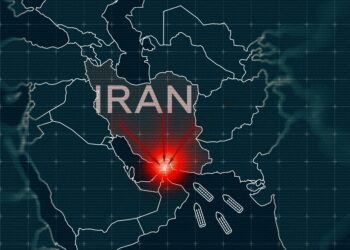
The U.S.-Israeli attack on Iran, followed by retaliatory strikes from Iran expanding across the region, has left many U.S. investors wondering what is at stake domestically and for financial markets.
The length of the conflict remains a key risk that could add to economic and market volatility if it is not resolved quickly.
Here are seven things investors should know right now.
- Conflict duration matters.President Trump has said the attacks could last as long as four to five weeks. A short, contained episode can keep economic spillovers limited. However, a conflict longer than a few weeks raises the odds of sustained economic pressure through higher oil prices, hotter inflation and less-certain financial conditions. “Markets may tolerate uncertainty for now, but prolonged uncertainty will be harder to look through,” said Monica Guerra, Head of US Policy, Morgan Stanley Wealth Management.
- The Strait of Hormuz is a key macro lever.Conflict in Iran directly threatens the Strait of Hormuz, the world’s most critical oil chokepoint, because Iran can use the narrow waterway as a strategic lever to retaliate for U.S. or Israeli actions. As the passage for about one-fifth of global oil and liquefied natural gas consumption, disruptions or even threatened closures can elevate gasoline prices, fan inflation and lead to declines in household consumption in the U.S.
- Oil shocks can lift inflation quickly.Morgan Stanley Research estimates that a 10% rise in oil prices from a supply shock could lift headline consumer prices in the U.S. by about 0.35% over the next three months. The longer prices remain elevated, the more meaningful the increase in inflation. A strengthening U.S. dollar could offset some inflationary pressure, as geopolitical instability potentially drives global investors to the perceived “safe-haven” greenback. Still, particularly in a prolonged conflict, risks of increased consumer prices remain.
- Higher energy costs may hit consumers with a lag.When oil prices rise due to supply disruptions, households face higher gasoline costs and may initially dip into savings, supporting nominal spending at the aggregate level early on. However, “our analysis shows that real consumption begins to decline two to three months after the price shock and can remain depressed for another five to six months,” said Sarah Wolfe, Thematic and Macro Strategist, Morgan Stanley Wealth Management. “The magnitude of the drag depends on the duration and persistence of higher energy prices.”
- Midterm elections could become more sensitive to affordability.With affordability a key issue in the U.S. midterms, supply-chain pressures and energy prices are top of mind. Conflict duration matters here as well: A Reuters/Ipsos poll reported only about 27% approval for the U.S. strikes, but a short, contained conflict may result in public dissatisfaction fading quickly. A longer episode, however, could keep political attention focused on cost-of-living pressures.
- The Fed faces a supply-shock tradeoff.In an energy-supply shock, the Fed is likely to avoid big, sudden interest rate moves, instead favoring smaller changes, or pausing, while it watches incoming data. The reason: Tightening monetary policy to fight inflation can also slow growth and hiring, while easing policy to support the economy can add fuel to inflation.
- Defense spending could raise deficits further.U.S. engagement with Iran, as well as involvement on other fronts, could increase defense spending close to the president’s $1.5 trillion defense spending request—a 50% increase to the defense budget and a level not seen since the Korean War. This sharp spending rise would add more to the U.S. government’s already outsized debt and deficits. That, in turn, could put further upward pressure on Treasury term premiums, or the additional yield investors demand to hold U.S. government debt when fiscal trajectories look more challenging. Higher longer-term Treasury yields often weigh on valuations of stocks and pressure long-duration bonds, which may exhibit greater volatility.
Market and Portfolio Implications
Markets have historically tended to post gains during wartime, including double-digit increases during both Gulf Wars three and six months after the onset, led by the defense sector. At the same time, however, oil prices may remain elevated if Iran remains under pressure.
From a longer-term perspective, investors should remember that geopolitical risk is becoming a persistent part of the backdrop, not merely episodic. Investors may need to price in a world where regional blocs and strategic competition drive markets, risk premiums and asset allocation.
In 2026, consider increasing exposure around themes like defense, security, aerospace and industrial resilience, where government spending can drive multiyear demand.