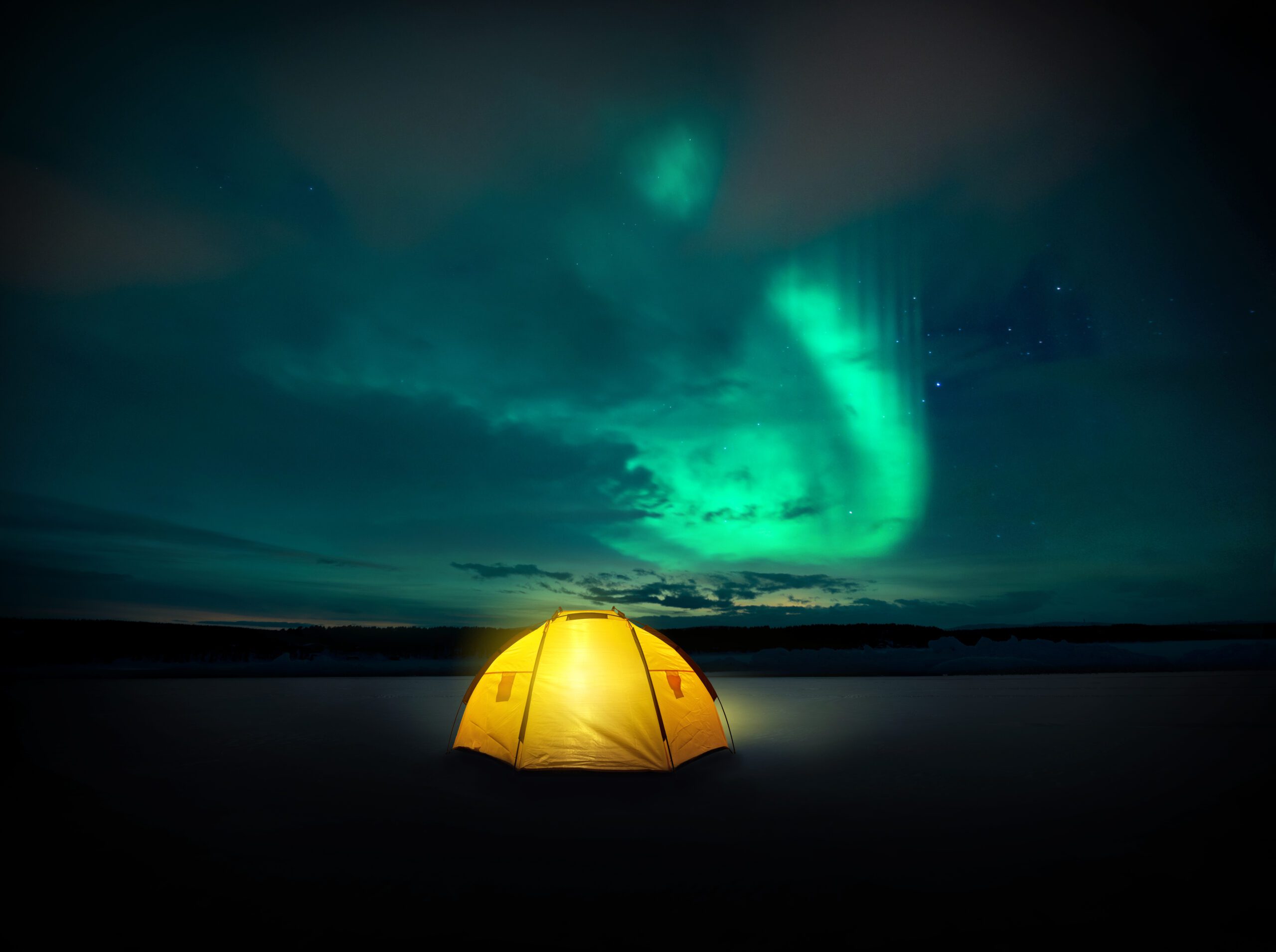
Sweden’s newest travel prescription recommends travelers head to the Arctic this winter, describing time under the Northern Lights as an experience that can steady the mind and lift the mood.
The larger physician-supported Swedish prescription initiative highlights Sweden’s natural environments as a form of wellbeing, outlining how specific activities and settings can ease stress and support mental health.
Northern Lights travel is on the rise as the solar cycle peaks through 2026, and the Swedish Lapland location inside the auroral oval, combined with its long winter darkness, creates some of the world’s most reliable viewing conditions.
The appeal is driven in part by an emotional response researchers link to reduced stress and improved mood. Psychologist Chris Barnes at the University of Derby has studied how connections to the night sky influence well-being.
“Seeing the Northern Lights is a great way to connect with the night sky, and my research suggests that this connection is beneficial for our mental health and happiness,” he says.
Across the Swedish Lapland, long winter nights and vast stretches of low light create conditions that favor viewing the Northern Lights.
The cold sharpens sound across forests and frozen lakes, and small communities keep artificial lighting to a minimum. The result is a region where darkness settles early and stays long enough for the dancing lights to dominate the sky.
Abisko has earned notable attention from researchers and travelers over the years, as the valley’s position between mountains and lakes helps limit cloud cover, creating a microclimate that is often clear even when other areas are overcast.
A Calm That Extends Beyond the Light
For many who go north, the northern lights are only part of the experience. The nature-centric spaces, solitude, and the unhurried pace of winter give the region character that goes beyond the glow.
When the aurora appears, it does so on its own terms. But on nights it doesn’t, the peaceful calm of the Swedish Laplands becomes its own reason to be there.
Read the full article by Alexandrea Sumuel Groves / Wander Worthy