Once a day, as the sun drops behind the crowded southern coast of Tenerife, a single ferry carrying only a handful of foreign tourists departs from a quiet port dwarfed by the resort-laden coastline.
To reach its destination, two and a half hours away, the boat cuts an unruly path due west through the choppy waters of the Atlantic.
This tiny island was once believed to be the westernmost edge of the known world and was the last piece of land that Christopher Columbus saw after leaving Europe to encounter the Americas in 1492. Today, El Hierro — the most remote of Spain’s Canary Islands — is a destination for modern travelers looking to rekindle their own sense of discovery.
While the big-hitter islands like Tenerife, Lanzarote and Gran Canaria are saturated with visitors, El Hierro is relatively untouched by tourism. In 2024, over six million international tourists descended upon Tenerife. In the same period, only 4,100 came to El Hierro.
There’s a reason for that. El Hierro has few traditional tourist attractions and limited itineraries are offered by tour operators.
There are no resort hotels nor direct flights from outside the archipelago.
Those eager to avoid the ferry must catch a propeller plane from either Tenerife or Gran Canaria. On the island, which is proudly home to a single traffic light, directions are best given by locals playing dominoes in taverns rather than from your phone, which will struggle for a signal.
And therein lies the island’s secret attraction: a raw sense of discovery awaits at each hairpin turn, mountain trail and cobblestoned street on “the island of 1,000 volcanoes,” as El Hierro is known.
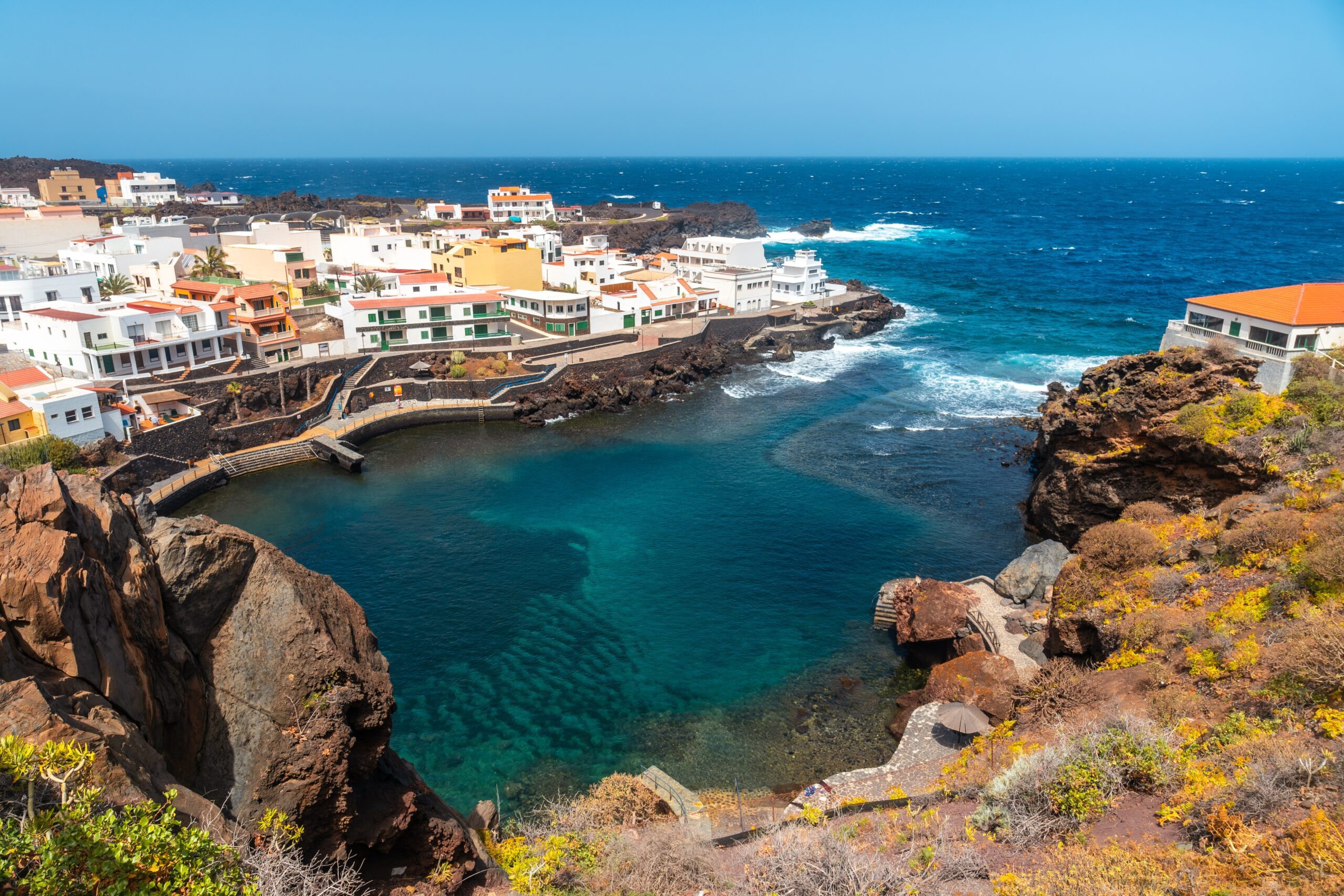
Around 12,000 people live on the far-flung isle alongside 500 open volcanic craters and another 300 covered by more recent lava flows which have sculpted the island’s dramatic, wild landscape over millennia. At its peak, around 5,000 feet high, mystical evergreen forests float in the clouds while turquoise waters flanked by jet-black cliffs crash below.
Although the island is just over 100 square miles, it is home to an array of microclimates which change dramatically throughout the day.
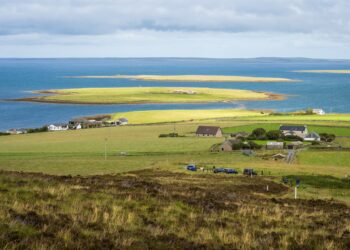
Mornings in the picturesque village of El Pinar begin above the clouds, but a maze of moss-coated trails cuts through verdant pine forests to take visitors down via ancient vineyards and rolling farmland. On the descent, wild hills roll into acres of otherworldly ashen plains where towering cacti and thousand-year-old trees stand tall in the face of Atlantic winds.
Clear blue skies emerge nearer to the island’s western edge, which is home to its most spectacular natural swimming pools including Charco Azul, where visitors and locals swim in volcanic craters while waves crash below.
Towards the Golfo Valley — a 1,500-meter-deep rift valley formed by a prehistoric landslide in the island’s northwest — the climate is more tropical.
This humid area is considered the economic heart of the region, largely due to its array of fruit plantations and vineyards, which have recently been opened to visitors.
Recently, a collective farm relying solely on permaculture techniques was set up there by the island council. Next to banana trees and pineapple crops, new patches of soil are being used to grow coffee, cocoa and dragon fruit.
The island ranges from arid plains to more tropical landscapes. Magui-rfajardo/iStockphoto/Getty Images
Meanwhile in the village of Frontera, La Casa del Aguardiente, the headquarters of El Hierro’s local winegrowers, is manned by Alfredo Hernández Gutierrez every morning.
“There was a time not so long ago when we’d drink homegrown wine because it was more widely available and cheaper than water,” he said.
Hernández Gutierrez’s grandfather survived the tragic drought in 1948, when ships carrying drinking water stopped delivering to the island, “El Hierro was just too small and too far away,” he said.
That isolation also helped protect an impressive wine lineage. El Hierro was one of only a few places in Europe unaffected by the phylloxera plague which devastated the continent’s vineyards in the late 1800s. While dozens of grape varietals were destroyed across mainland Europe, many of them — including Baboso Negro, which is indigenous to the Canaries — survived on El Hierro.
Local wines are served in taverns and family-run restaurants across the island, but it’s on El Hierro’s south coast, specifically in La Restinga, where the best seafood can be sampled.
One April morning during a recent visit to the quaint fishing village, when the water temperature hovered around 68 degrees Fahrenheit, three divers clad in wetsuits could be seen heading out in a small boat to encounter what is billed as one of the most fascinating dive spots in western Europe.
The Mar de las Calmas Marine Reserve was first designated as a protected fishing reserve in 1996 and has been earmarked to become Spain’s first fully marine national park. With underwater visibility of up to 100 feet, it is home to underwater volcanoes, coral reefs, and volcanic seabeds.
Meanwhile, on the adjacent jetty, local fishermen readied their lines and hopped into wooden motorboats. “We practice the old way of fishing here,” said Juan Pablo Domingues, who was hoping to score 20 pounds of prawns that morning.
La Restinga’s fishing cooperative, Pescarestinga, provides a vital part of El Hierro’s diet. To preserve the biodiversity of the waters around the island, fishermen use rods, hooks and live bait.
Despite the island’s efforts to preserve its customs, El Hierro came close to losing one of its most storied traditions at the turn of the 21st century. The island is one of the last remaining places on Earth where an indigenous whistling language is still practiced. Called Silbo Herreño, the ancient tonal dialect was once a principal form of long-distance communication for the island’s first indigenous inhabitants, the Bimbaches.
In the 20th century, the language was still being used primarily by shepherds on El Hierro and on the neighboring island, La Gomera. From over a mile apart, they could whistle to each other to instruct, inform and warn of imminent dangers.
Then in the early 1990s, the language started to fade from everyday use. Instead of admitting defeat, the island’s council acted quickly to create free after-school classes for younger generations to learn how to communicate with the historic language.
Today, classes take place during lunchtimes at the largest secondary school on El Hierro, while biweekly classes are taught at primary schools. On weekends, at the market in the village of La Frontera, lessons are run for people of all ages, including tourists on Sundays.
But the island’s crowning achievement lies in the hills around its capital, Valverde.
Five 200-feet-tall wind turbines, a pumping station and two giant water reservoirs built into volcanic craters have been central to El Hierro’s plan to become the world’s first completely sustainable island powered by 100% renewable energy.
Free electric-car charging stations are dotted evenly around the island. Residents are offered subsidized discounts from the council to install solar panels on their homes.
“Since I installed my panels, they’ve been more than enough to power my whole home,” said Jürg Foest, who moved from Germany to El Hierro in 2011.
Now, in a bid to carefully grow its tourism industry without endangering its environmental credentials, the island council is developing two museums and launching an array of eco-tourism experiences in September.
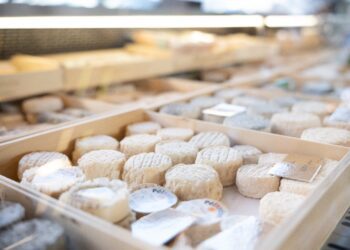
In La Restinga, a museum aimed at spotlighting sustainable fishing is being built into the old fishermen’s warehouse. Later this year, visitors will also be able to join local fishermen on the water for their daily catch. Vineyard tours and winemaking workshops will take place at La Casa del Aguardiente. Artisanal initiatives will also take place around the island, including cheesemaking, sewing classes and tours of aloe vera fields where tourists can learn how to extract and use the gel directly from its source. Activities will be bookable from September via the tourist board’s website.