Thursday, October 15, 2026
  • Login
CEO North America
  • Home
  • News
    • Business
    • Entrepreneur
    • Industry
    • Innovation
    • Management & Leadership
  • CEO Interviews
  • Opinion
  • Technology
  • Environment
  • CEO Life
    • Art & Culture
    • Food
    • Health
    • Travel
No Result
View All Result
  • Home
  • News
    • Business
    • Entrepreneur
    • Industry
    • Innovation
    • Management & Leadership
  • CEO Interviews
  • Opinion
  • Technology
  • Environment
  • CEO Life
    • Art & Culture
    • Food
    • Health
    • Travel
No Result
View All Result
CEO North America
No Result
View All Result

CEO NA Magazine > CEO Life > Environment > Louisiana scraps coastal erosion project designed to rebuild the state’s wetlands

Louisiana scraps coastal erosion project designed to rebuild the state’s wetlands

in Environment
Louisiana scraps coastal erosion project designed to rebuild the state’s wetlands
Share on LinkedinShare on WhatsApp

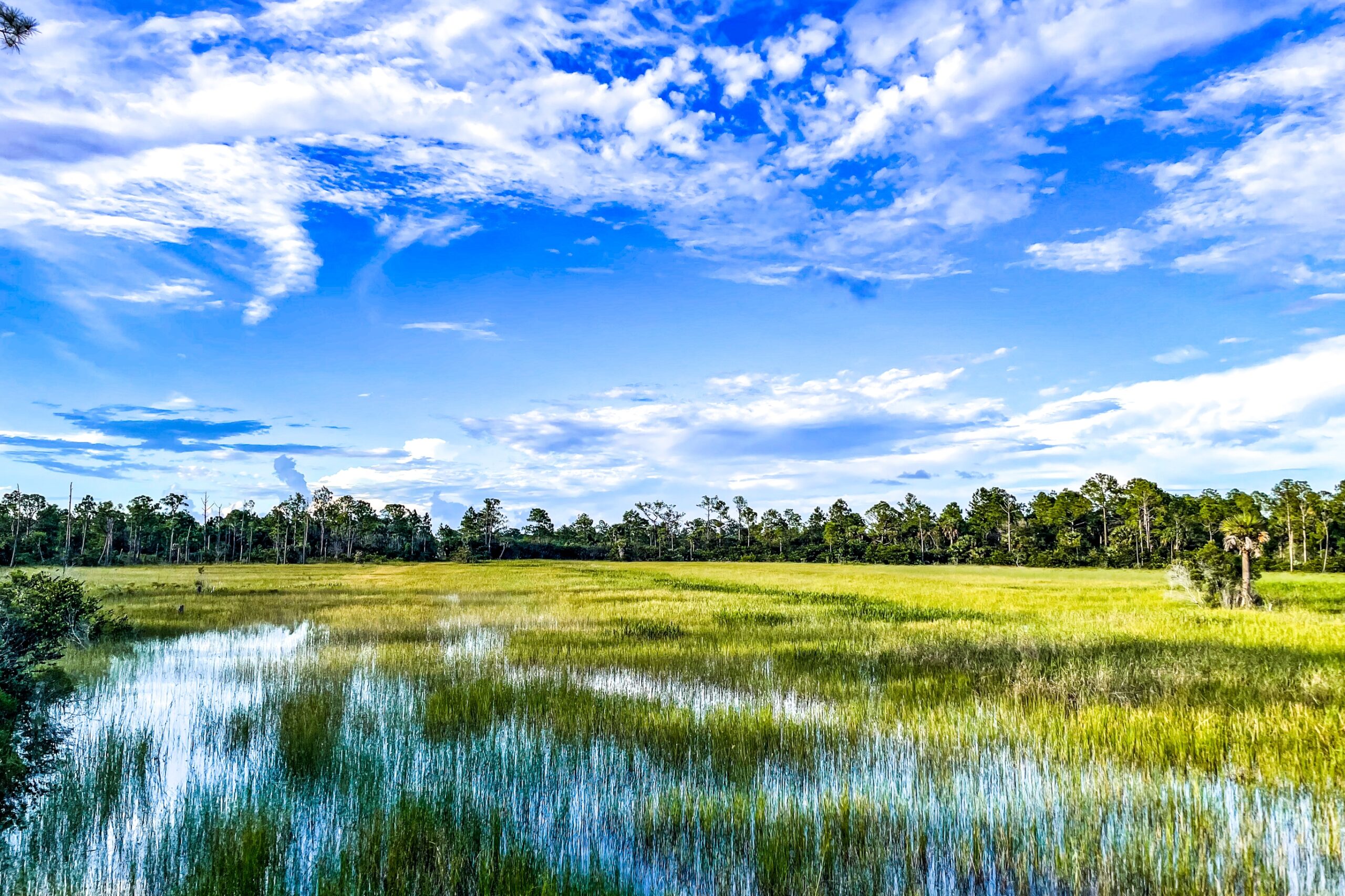
Louisiana’s coast is under threat as a quarter of the state’s wetlands, an area about the size of Delaware, have disappeared in the last 100 years, according to the U.S. Geological Survey. 

The wetlands are a critical buffer that shield Louisiana communities from monster hurricanes.

It’s been 20 years since Hurricane Katrina exposed the extent of the state’s coastal erosion.  It was the largest residential disaster in U.S. history, killing more than 1,300 people and displacing one million others across the Gulf Coast, according to the Louisiana independent research nonprofit The Data Center.  

Since Katrina, satellite images from the NASA Earth Observatory show that the Louisiana coastline has lost even more marshland — an estimated 200,000 acres, according to the USGS.  

Land loss is caused by a number of factors, including sea level rise, shipping channels, levees, natural subsidence, invasive species and severe storms, according to Restore the Mississippi River Delta.   

Without the protection of wetlands, Maloz and Renfro say the future would be unsustainable for coastal Louisiana communities.   

“I think that’s a future we don’t want to think about,” Maloz said of the impact on the region if the wetlands were to disappear.

“It is a loss of culture,” Renfro said. “It is a loss of place and it is a loss of home for a lot of people.”

Last month, Louisiana officials canceled a $3 billion project — known as the Mid-Barataria Sediment Diversion — that sought to rebuild the marshes. 

Renfro and Maloz spent years planning the diversion project with other state and federal leaders and scientists. The project was unique, because instead of a human-made marsh built by dredged sediment, it would have diverted sediment flowing down the Mississippi River to naturally rebuild wetlands, the way the Mississippi River Delta was first formed centuries ago.

Renfro and Maloz saw it as the best solution to save Louisiana. They argue that other projects wouldn’t be nearly as effective, nor would they have rebuilt as much land. 

“If you don’t change the forces that took that away from you in the first place… if you don’t have a systemic change, then you’re going to lose this too,” Maloz said. “And so that’s what Mid-Barataria represented. It represented that systemic change that returned back to how we were created that gave us that long-term future. If you want to talk about dollars and cents, you’re talking about investing money over 50 years, rather than investing X amount of money over 10 years or 20 years. But really it’s the time and scale.”

The project would have diverted Mississippi sediment to rebuild 17,000 acres of land over the next 30 years, enough to potentially absorb up to 10 feet of storm surge, according to Restore the Mississippi River Delta. 

Read the full article by Kati Weis / CBS

Related Posts

Companies with strong ESG perform better
Environment

Companies with strong ESG perform better

Clean energy initiatives hampered by industry setbacks
Environment

Global energy demands within the AI regulatory landscape

Why Do Oil Tankers Spend So Much Time Sailing Empty?
Environment

Why Do Oil Tankers Spend So Much Time Sailing Empty?

How to Talk About Climate Change Across Political Divides
Environment

How to Talk About Climate Change Across Political Divides

Making Supply Chains Deliver More Than Just Faster, Cheaper Products
Environment

Making Supply Chains Deliver More Than Just Faster, Cheaper Products

Emission taxes may undermine corporate investment and do little for the environment
Environment

A Concrete Step Toward Reducing Industrial Carbon Emissions

How the Apparel Industry Could Refashion Itself with Sustainability in Mind
Environment

How the Apparel Industry Could Refashion Itself with Sustainability in Mind

Nature bonds program: unlocking funds for conservation and climate action
Environment

Uncovering economic potential through environmental stewardship

Replacing the “Take-Make-Waste” Model with Sustainable Supply Chains
Environment

Replacing the “Take-Make-Waste” Model with Sustainable Supply Chains

Trump announces trade truce following ‘amazing meeting’ with Xi
Environment

China buys 1 million tons of US soybeans ahead of Xi visit

No Result
View All Result

Recent Posts

  • Can Your Company Do Hybrid Better?
  • AI growth acceleration versus distributional fairness
  • Goldman Sachs CEO denies succession rumours
  • ASML CEO announces record sales, raises guidance
  • Nvidia pledges $250 million to advance AI safety research

Archives

Categories

  • Art & Culture
  • Business
  • CEO Interviews
  • CEO Life
  • Editor´s Choice
  • Entrepreneur
  • Environment
  • Food
  • Health
  • Highlights
  • Industry
  • Innovation
  • Issues
  • Management & Leadership
  • News
  • Opinion
  • PrimeZone
  • Printed Version
  • Technology
  • Travel
  • Uncategorized

Meta

  • Log in
  • Entries feed
  • Comments feed
  • WordPress.org

  • CONTACT
  • GENERAL ENQUIRIES
  • ADVERTISING
  • MEDIA KIT
  • DIRECTORY
  • TERMS AND CONDITIONS

Advertising –
advertising@ceo-na.com

110 Wall St.,
3rd Floor
New York, NY.
10005
USA
+1 2125 9933 0330

UK
Collingwood Buildings,
38 Collingwood Street,
Newcastle Upon Tyne
NE1 1JF

  • News
  • CEO Interviews
  • Opinion
  • Technology
  • Environment
  • CEO Life

  • CONTACT
  • GENERAL ENQUIRIES
  • ADVERTISING
  • MEDIA KIT
  • DIRECTORY
  • TERMS AND CONDITIONS

Advertising –
advertising@ceo-na.com

110 Wall St.,
3rd Floor
New York, NY.
10005
USA
+1 2125 9933 0330

UK
Collingwood Buildings,
38 Collingwood Street,
Newcastle Upon Tyne
NE1 1JF

CEO North America © 2024 - Sitemap

Welcome Back!

Login to your account below

Forgotten Password?

Retrieve your password

Please enter your username or email address to reset your password.

Log In
No Result
View All Result
  • Home
  • News
    • Business
    • Entrepreneur
    • Industry
    • Innovation
    • Management & Leadership
  • CEO Interviews
  • Opinion
  • Technology
  • Environment
  • CEO Life
    • Art & Culture
    • Food
    • Health
    • Travel

© 2026 JNews - Premium WordPress news & magazine theme by Jegtheme.