Wednesday, April 29, 2026
  • Login
CEO North America
  • Home
  • News
    • Business
    • Entrepreneur
    • Industry
    • Innovation
    • Management & Leadership
  • CEO Interviews
  • Opinion
  • Technology
  • Environment
  • CEO Life
    • Art & Culture
    • Food
    • Health
    • Travel
No Result
View All Result
  • Home
  • News
    • Business
    • Entrepreneur
    • Industry
    • Innovation
    • Management & Leadership
  • CEO Interviews
  • Opinion
  • Technology
  • Environment
  • CEO Life
    • Art & Culture
    • Food
    • Health
    • Travel
No Result
View All Result
CEO North America
No Result
View All Result

CEO NA Magazine > CEO Life > Environment > How communities are reducing the growth of plastic litter

How communities are reducing the growth of plastic litter

in Environment
How communities are reducing the growth of plastic litter
Share on LinkedinShare on WhatsApp

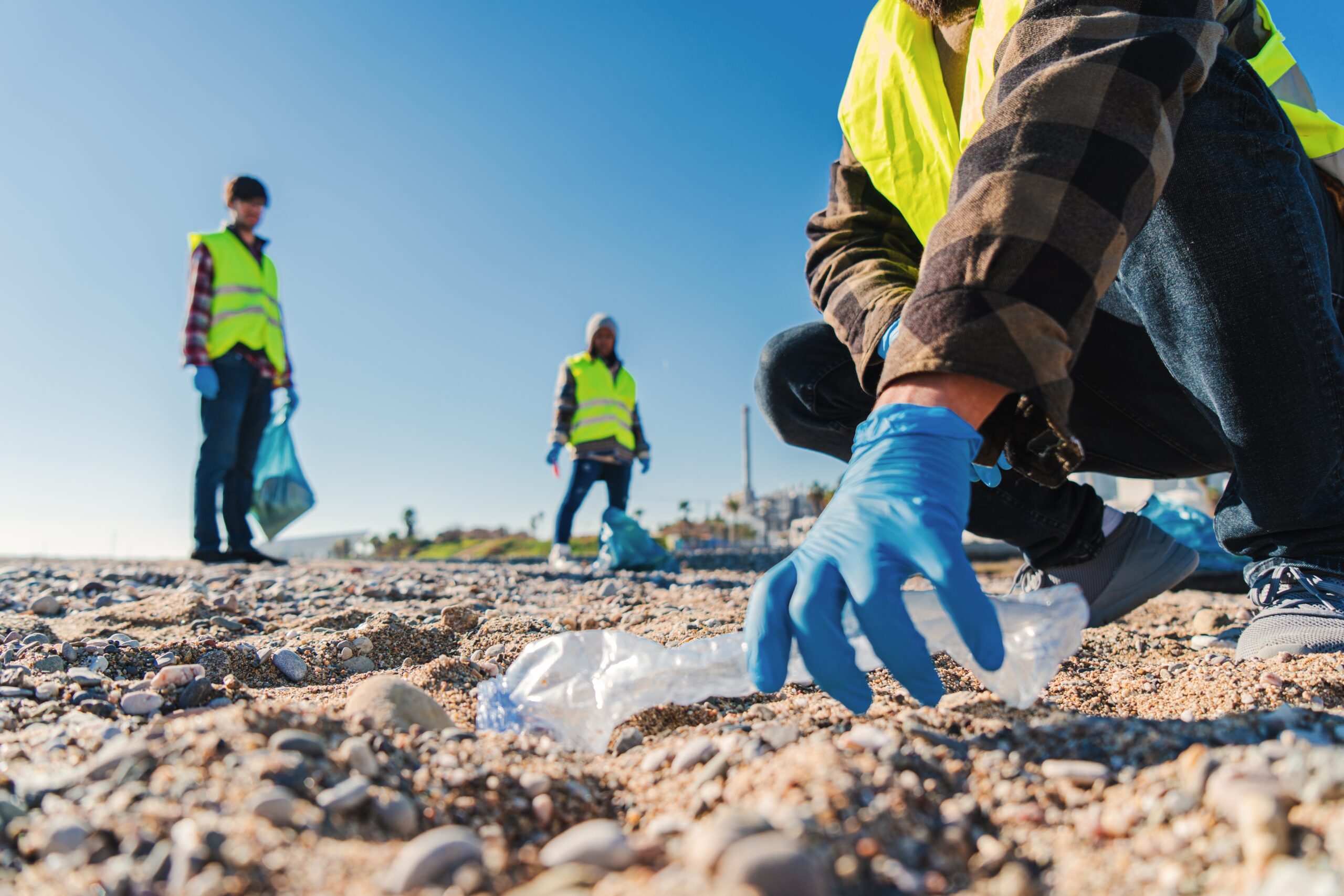
In American parks and playgrounds, plastic litter is piling up. Tree branches catch rogue plastic bags. Crumpled candy wrappers and orphaned bottle caps lie discarded in storm drains. Empty plastic bottles roll down sidewalks, used just once then forgotten.

Although plastic litter has a way of weaving itself uninvited into the natural scenery and tarnishing our green spaces, plastic poses more than an unsightly litter problem. Over 99% of plastic is produced from fossil fuels, and extracting and transporting gas and crude oil are themselves major sources of carbon emissions. Not surprisingly, turning gas or crude oil into usable plastic is also an energy-intensive process. While there are hundreds of plastic production facilities in the U.S. alone, the annual emissions from just two of them are equivalent to 800,000 cars on the road.

Many plastic items are used just a handful of times before being discarded. And despite claims from the plastics industry that plastic is recyclable, less than 10% of all plastic discarded in the U.S. is recycled. Most of it goes to landfills or incinerators; some of it becomes litter. Plastic pollution is especially concerning in our oceans and waterways. In the Pacific Ocean, the accumulated floating Great Pacific Garbage Patch is nearly twice the size of Texas.

Although plastic pollution may feel overwhelming, new research suggests that limits on plastic—and plastic bags in particular—reduce the prevalence of plastic litter.

How can we reduce plastic trash and litter?

Because plastic bags are lightweight by nature, wind easily sweeps them away and deposits them on shorelines and in waterways. That’s why, since 2018, more than 100 countries around the world have either banned or limited plastic checkout bags in certain stores. Many towns, cities and states have enacted their own bans or limits:

Between 2017 and 2023, researchers Anna Papp and Kimberly Oremusreviewed more than 600 bag policies enacted by states and towns across the U.S. They then compared these bag policies with community-collected data from more than 45,000 shoreline cleanups where participants categorized the items they found.

Researchers compared the composition of litter from cleanups in places before and after bag bans or limits took effect. They also compared the data on litter in places with bag bans or limits to places without such policies.

Do community restrictions on plastic bags reduce plastic litter?

The bad news is plastic litter increased across the board during the study’s six-year window. But plastic litter increased less in places that banned or limited plastic bags.

More importantly, the bag bans and limits resulted in significantly lessplastic bag litter (as opposed to plastic litter overall). The bag ban and bag limit communities also saw a 30% reduction in animal entanglements, which suggests that such policies don’t just reduce litter. They also may help protect wildlife.

As it turns out, the type of policy matters. Complete bans and fee-based policies led to the greatest reductions in bags on shorelines. Partial bans, on the other hand, weren’t quite as effective. The study’s authors concluded this may be due to the fact that partial bans often offer exemptions for thicker, “reusable” plastic bags, many of which ultimately end up becoming litter.

While complete bans in towns and cities were found to be effective, state-level policies corresponded with the greatest reductions in plastic bag litter. You can learn more about what type of impact a statewide or town-wide plastic bag ban would have on your community by entering your town’s name into Environment America’s Single-use Plastic Bag Ban Waste Reduction Calculator.

Read the full article by Celeste Meiffren-Swango / Environment America
Related Posts

The stunning underwater world that’s at risk as the Iran war drags on
Environment

The stunning underwater world that’s at risk as the Iran war drags on

There are fixes for AI’s toll on the power grid. Here’s why they’re not happening
Environment

There are fixes for AI’s toll on the power grid. Here’s why they’re not happening

Biden announces offshore wind rights sale in Gulf of Mexico
Environment

France’s Engie discussing refund for US offshore wind projects with Trump administration

Chef José Andrés warns war-driven inflation will cause a larger world hunger problem
Environment

Chef José Andrés warns war-driven inflation will cause a larger world hunger problem

Jet fuel shock from Iran war worsens crisis for global airlines
Environment

Jet fuel shock from Iran war worsens crisis for global airlines

‘The thaw is real’: Indian delegation visits China to talk EVs and more
Environment

‘The thaw is real’: Indian delegation visits China to talk EVs and more

What to know about the 4 people launching to make history around the moon
Environment

What to know about the 4 people launching to make history around the moon

The shift from oil isn’t just about being ‘green’ anymore. It’s a massive power move for national security.
Environment

The shift from oil isn’t just about being ‘green’ anymore. It’s a massive power move for national security.

CEO NA opens the bonnet to understand the latest state of play at Musk’s Tesla
Environment

Tesla Says Semi Battery Is ‘Designed To Last A Million Miles’

White House to pay TotalEnergies $1 billion to kill off East Coast wind farm projects
Environment

White House to pay TotalEnergies $1 billion to kill off East Coast wind farm projects

No Result
View All Result

Recent Posts

  • U.S. trade deficit widens as imports increase
  • Lululemon founder speaks out against new CEO appointment
  • Yum Brands reports solid Q1 driven by Taco Bell sales
  • AI in Family Offices
  • What Gen Z really wants: Rethinking commitment

Archives

Categories

  • Art & Culture
  • Business
  • CEO Interviews
  • CEO Life
  • Editor´s Choice
  • Entrepreneur
  • Environment
  • Food
  • Health
  • Highlights
  • Industry
  • Innovation
  • Issues
  • Management & Leadership
  • News
  • Opinion
  • PrimeZone
  • Printed Version
  • Technology
  • Travel
  • Uncategorized

Meta

  • Log in
  • Entries feed
  • Comments feed
  • WordPress.org

  • CONTACT
  • GENERAL ENQUIRIES
  • ADVERTISING
  • MEDIA KIT
  • DIRECTORY
  • TERMS AND CONDITIONS

Advertising –
advertising@ceo-na.com

110 Wall St.,
3rd Floor
New York, NY.
10005
USA
+1 212 432 5800

Avenida Chapultepec 480,
Floor 11
Mexico City
06700
MEXICO

  • News
  • CEO Interviews
  • Opinion
  • Technology
  • Environment
  • CEO Life

  • CONTACT
  • GENERAL ENQUIRIES
  • ADVERTISING
  • MEDIA KIT
  • DIRECTORY
  • TERMS AND CONDITIONS

Advertising –
advertising@ceo-na.com

110 Wall St.,
3rd Floor
New York, NY.
10005
USA
+1 212 432 5800

Avenida Chapultepec 480,
Floor 11
Mexico City
06700
MEXICO

CEO North America © 2024 - Sitemap

Welcome Back!

Login to your account below

Forgotten Password?

Retrieve your password

Please enter your username or email address to reset your password.

Log In
No Result
View All Result
  • Home
  • News
    • Business
    • Entrepreneur
    • Industry
    • Innovation
    • Management & Leadership
  • CEO Interviews
  • Opinion
  • Technology
  • Environment
  • CEO Life
    • Art & Culture
    • Food
    • Health
    • Travel

© 2026 JNews - Premium WordPress news & magazine theme by Jegtheme.