Friday, June 26, 2026
  • Login
CEO North America
  • Home
  • News
    • Business
    • Entrepreneur
    • Industry
    • Innovation
    • Management & Leadership
  • CEO Interviews
  • Opinion
  • Technology
  • Environment
  • CEO Life
    • Art & Culture
    • Food
    • Health
    • Travel
No Result
View All Result
  • Home
  • News
    • Business
    • Entrepreneur
    • Industry
    • Innovation
    • Management & Leadership
  • CEO Interviews
  • Opinion
  • Technology
  • Environment
  • CEO Life
    • Art & Culture
    • Food
    • Health
    • Travel
No Result
View All Result
CEO North America
No Result
View All Result

CEO NA Magazine > CEO Life > Environment > Fast fashion may seem cheap, but it’s taking a costly toll on the planet − and on millions of young customers

Fast fashion may seem cheap, but it’s taking a costly toll on the planet − and on millions of young customers

in Environment
Fast fashion may seem cheap, but it’s taking a costly toll on the planet − and on millions of young customers
Share on LinkedinShare on WhatsApp

Fast fashion is everywhere – in just about every mall, in the feeds of influencers on social media promoting overconsumption, and in ads constantly popping up online.

Its focus on the continual production of new clothing is marked by speedy fashion cycles that give it its name. Fast fashion is intended to quickly copy high-end designs, but with low-quality materials, resulting in poorly made clothing intended to be worn once or twice before being thrown away.

One of fast fashion’s leading companies, Zara, has a mission to put clothes in stores 15 days after the initial design. Another, Shein, adds up to 2,000 new items to its website daily.

While others in the fashion industry are working toward more sustainable clothing, fast fashion is focused on profit. The market’s value was estimated at about US$100 billion in 2022 and growing quickly. It’s a large part of the reason global clothing production doubled from 2000 to 2014.

About 60% of fast-fashion items are made from synthetic textiles derived from plastics and chemicals that start their life as fossil fuels. When this synthetic clothing is laundered or thrown in landfills to decompose, it can release microplastics into the environment. Microplastics contain chemicals including phthalates and bisphenol A that can affect the health of humans and animals.

Natural fibers have their own impacts on the environment. Growing cotton requires large quantities of water, and pesticides can run off from farmlands into streams, rivers and bays. Water is also used in chemically treating and dyeing textiles. A 2005 United Nations-led report on cotton’s water use estimated that, on average, a single cotton T-shirt requires about 700 gallons (2,650 liters) of water from crop to clothing rack, with about 300 gallons (1,135 liters) of that water used for irrigation.

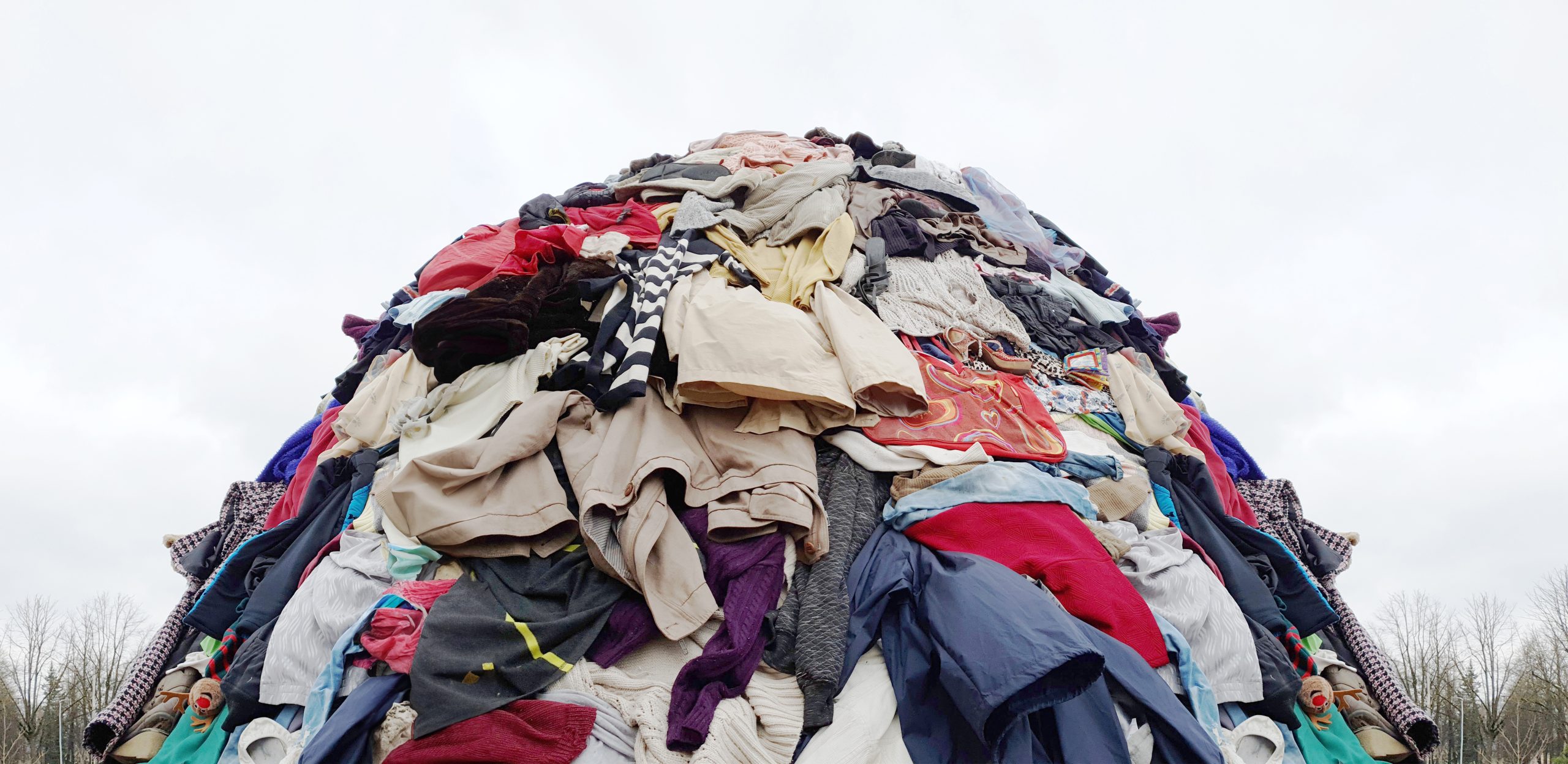
Fast fashion’s high output also creates literally mountains of waste. More than 90 million tons of textile waste ends up in landfills globally each year, by one estimate, adding to greenhouse gases as it slowly decomposes. Only a small percentage of discarded clothing is recycled.

Some governments are also taking steps to reduce waste from fashion and other consumer products. The European Union is developing requirements for clothing to last longer and prohibiting companies from throwing out unsold textiles and footwear. France has pending legislation that, if passed, would ban publicity for fast-fashion companies and their products, require them to post the environmental impact of their products, and levy fines for violations.

Changes in consumer habits, new technologies and legislation can each help reduce demand for unsustainable fashion. The cost of cheap clothes worn a few times also adds up. Next time you buy clothing, think about the long-term value to you and the planet.

Read the full article by Paula M. Carbone here

Related Posts

Trump pledges rapid U.S. response for Venezuela after historic earthquakes kill dozens
Environment

Trump pledges rapid U.S. response for Venezuela after historic earthquakes kill dozens

Chevron to fuel massive Microsoft data center in Texas with natural gas
Environment

Chevron to fuel massive Microsoft data center in Texas with natural gas

Datacenter and crypto electricity use skyrocketing
Environment

Nearly 80% of data center capacity is at elevated risk to climate hazards like flooding and fire, study says

GM reshapes product strategy with plug-in hybrid EVs
Environment

GM eyes new battery chemistry to grow AI data center, energy storage business

Futures dip, oil prices climb as US plans to blockade the Strait of Hormuz
Environment

How the Strait of Hormuz standoff flipped the energy security debate

China is helping to cushion global oil prices below $100 — but analysts warn it won’t last
Environment

China is helping to cushion global oil prices below $100 — but analysts warn it won’t last

A strange paradox has taken hold of the global fashion industry
Environment

A strange paradox has taken hold of the global fashion industry

Starbucks aims away from disposable cups
Environment

US group says Starbucks plastic cups marked recyclable end up in trash

G7 strikes deal to shut down coal-fired power plants
Environment

A Concrete Step Toward Reducing Industrial Carbon Emissions

Datacenter and crypto electricity use skyrocketing
Environment

Are data centers pushing grid costs onto consumers?

No Result
View All Result

Recent Posts

  • Amazon announces it will invest $48 billion in India by 2030
  • Trump hosts defense CEOs in Washington as U.S. missile reserves run low
  • Qualcomm jumps 15% after announcing strong forecast and Meta partnership
  • Trump pledges rapid U.S. response for Venezuela after historic earthquakes kill dozens
  • Bessent says U.S. GDP growth can hit 3% by year’s end

Archives

Categories

  • Art & Culture
  • Business
  • CEO Interviews
  • CEO Life
  • Editor´s Choice
  • Entrepreneur
  • Environment
  • Food
  • Health
  • Highlights
  • Industry
  • Innovation
  • Issues
  • Management & Leadership
  • News
  • Opinion
  • PrimeZone
  • Printed Version
  • Technology
  • Travel
  • Uncategorized

Meta

  • Log in
  • Entries feed
  • Comments feed
  • WordPress.org

  • CONTACT
  • GENERAL ENQUIRIES
  • ADVERTISING
  • MEDIA KIT
  • DIRECTORY
  • TERMS AND CONDITIONS

Advertising –
advertising@ceo-na.com

110 Wall St.,
3rd Floor
New York, NY.
10005
USA
+1 212 432 5800

Avenida Chapultepec 480,
Floor 11
Mexico City
06700
MEXICO

  • News
  • CEO Interviews
  • Opinion
  • Technology
  • Environment
  • CEO Life

  • CONTACT
  • GENERAL ENQUIRIES
  • ADVERTISING
  • MEDIA KIT
  • DIRECTORY
  • TERMS AND CONDITIONS

Advertising –
advertising@ceo-na.com

110 Wall St.,
3rd Floor
New York, NY.
10005
USA
+1 212 432 5800

Avenida Chapultepec 480,
Floor 11
Mexico City
06700
MEXICO

CEO North America © 2024 - Sitemap

Welcome Back!

Login to your account below

Forgotten Password?

Retrieve your password

Please enter your username or email address to reset your password.

Log In
No Result
View All Result
  • Home
  • News
    • Business
    • Entrepreneur
    • Industry
    • Innovation
    • Management & Leadership
  • CEO Interviews
  • Opinion
  • Technology
  • Environment
  • CEO Life
    • Art & Culture
    • Food
    • Health
    • Travel

© 2026 JNews - Premium WordPress news & magazine theme by Jegtheme.