Tuesday, April 28, 2026
  • Login
CEO North America
  • Home
  • News
    • Business
    • Entrepreneur
    • Industry
    • Innovation
    • Management & Leadership
  • CEO Interviews
  • Opinion
  • Technology
  • Environment
  • CEO Life
    • Art & Culture
    • Food
    • Health
    • Travel
No Result
View All Result
  • Home
  • News
    • Business
    • Entrepreneur
    • Industry
    • Innovation
    • Management & Leadership
  • CEO Interviews
  • Opinion
  • Technology
  • Environment
  • CEO Life
    • Art & Culture
    • Food
    • Health
    • Travel
No Result
View All Result
CEO North America
No Result
View All Result

CEO NA Magazine > CEO Life > Environment > EPA’s Research Efforts to Protect Public and Environmental Health from Wildland Fire Smoke

EPA’s Research Efforts to Protect Public and Environmental Health from Wildland Fire Smoke

in Environment
EPA’s Research Efforts to Protect Public and Environmental Health from Wildland Fire Smoke
Share on LinkedinShare on WhatsApp

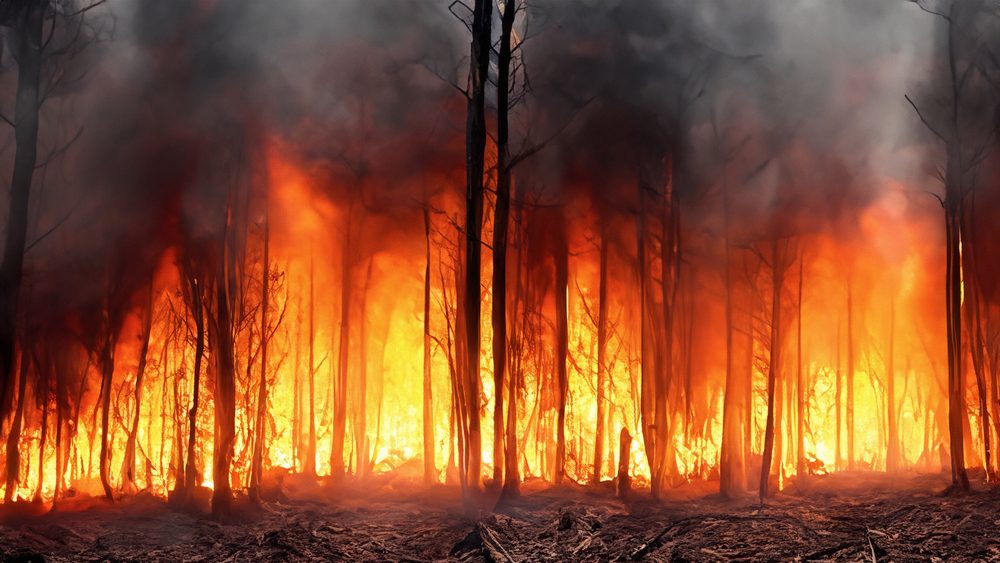
As experts supporting EPA’s efforts to protect public and environmental health from wildland fire smoke (which includes both wildfire and prescribed fire), we understand the critical need for science to support public health and ensure that communities and individuals are empowered to reduce smoke exposures and protect their health. We’ve spent our careers working to protect public health from the detrimental impacts of poor air quality, specifically from wildfire smoke events ranging from days to months.

Smoke from wildland fires can cause health effects ranging from runny nose, coughing, and eye irritation to exacerbation of asthma, heart failure, and premature death. Air quality improvements under the Clean Air Act have led to substantial public health benefits over the last several decades, but wildfire smoke is threatening those gains. And, while smoke is often considered a local issue, it can travel hundreds to thousands of miles, impacting air quality nationwide, and even across borders.

Protecting public health from wildfire smoke requires different approaches than we’ve employed for many other air pollution sources because we can’t institute control technologies to reduce emissions as we would for an automobile or smokestack.

EPA researchers are at the forefront of tackling this public and environmental health challenge through research, collaboration, and public outreach.

Understanding and Addressing the Challenge

The EPA recognizes the urgency of protecting public and environmental health from smoke. We engage in research to inform risk communication and interventions to reduce smoke exposures, and are focused on understanding:

Emissions from Wildland Fires

We work with our partners (e.g., U.S. Forest Service, Department of the Interior) to actively measure and improve our understanding of smoke emissions and their impact on air quality. This includes supporting unmanned aerial system measurements in smoke plumes, developing low-cost sensors, and testing sensor and air quality monitor performance during smoke events.

Wildland Fire Smoke Air Quality Impacts

Communicating air quality conditions during a wildland fire can be challenging because the regulatory-grade air quality monitors visible on AirNow tend to reside in large population centers, and rural areas and towns experiencing smoke may be many miles from the nearest monitor. To tackle this, we worked with the U.S. Forest Service, to devise the Fire and Smoke map. The map integrates data from low-cost consumer-grade sensors and temporary monitors with data from the national air quality monitoring network. This increases air quality monitoring spatial coverage and improves communication about air quality conditions during smoke events. The map also provides information about active fires and links to Smoke Outlooks issued by Air Resource Advisors (ARA). In addition, we developed an air monitor loan program (“WSMART”) to supplement existing State, Local, Tribal, and ARA monitoring capabilities during smoke events.

Health and Ecosystem Impacts of Smoke

Our researchers examine the relationship between smoke exposure and health effects through experimental studies examining topics such as smoke toxicity broadly and under different emissions conditions, and epidemiologic studies examining cardiopulmonary effects locally and nationally. Furthermore, the agency evaluates the ecological impacts of fire and smoke on water quality, sensitive plants and animals, and ecosystems.

Risk Communication and Interventions

We are committed to providing accurate and reliable information to the public about the risks of smoke exposure and effective actions individuals and communities can take to reduce those exposures. Initiatives like the Wildfire ASPIRE study focus on evaluating interventions such as DIY air cleaners to reduce indoor smoke exposures and provide the science to support the development of cleaner air spaces. The agency also develops numerous public continuing medical education courses to educate health care professionals on the risks smoke poses to their patients. In addition, our extramural research Science to Achieve Results (STAR) grants program is providing science to further inform public health preparedness during wildland fire smoke events.

By Jason Sacks and Sarah Coefield/Courtesy EPA

Related Posts

There are fixes for AI’s toll on the power grid. Here’s why they’re not happening
Environment

There are fixes for AI’s toll on the power grid. Here’s why they’re not happening

Biden announces offshore wind rights sale in Gulf of Mexico
Environment

France’s Engie discussing refund for US offshore wind projects with Trump administration

Chef José Andrés warns war-driven inflation will cause a larger world hunger problem
Environment

Chef José Andrés warns war-driven inflation will cause a larger world hunger problem

Jet fuel shock from Iran war worsens crisis for global airlines
Environment

Jet fuel shock from Iran war worsens crisis for global airlines

‘The thaw is real’: Indian delegation visits China to talk EVs and more
Environment

‘The thaw is real’: Indian delegation visits China to talk EVs and more

What to know about the 4 people launching to make history around the moon
Environment

What to know about the 4 people launching to make history around the moon

The shift from oil isn’t just about being ‘green’ anymore. It’s a massive power move for national security.
Environment

The shift from oil isn’t just about being ‘green’ anymore. It’s a massive power move for national security.

CEO NA opens the bonnet to understand the latest state of play at Musk’s Tesla
Environment

Tesla Says Semi Battery Is ‘Designed To Last A Million Miles’

White House to pay TotalEnergies $1 billion to kill off East Coast wind farm projects
Environment

White House to pay TotalEnergies $1 billion to kill off East Coast wind farm projects

Britain responds to Iran war energy shock by requiring solar panels and heat pumps in all new homes
Environment

Britain responds to Iran war energy shock by requiring solar panels and heat pumps in all new homes

No Result
View All Result

Recent Posts

  • Qualcomm shares rise 12% amid Open AI collaboration rumors
  • CEO transitions in disruptive times
  • People will be ‘living and working’ on the moon in the 2030s, says space tech CEO
  • Sun Pharma to buy Organon in $11.75 deal
  • United CEO confirms reaching out to AA about potential merger

Archives

Categories

  • Art & Culture
  • Business
  • CEO Interviews
  • CEO Life
  • Editor´s Choice
  • Entrepreneur
  • Environment
  • Food
  • Health
  • Highlights
  • Industry
  • Innovation
  • Issues
  • Management & Leadership
  • News
  • Opinion
  • PrimeZone
  • Printed Version
  • Technology
  • Travel
  • Uncategorized

Meta

  • Log in
  • Entries feed
  • Comments feed
  • WordPress.org

  • CONTACT
  • GENERAL ENQUIRIES
  • ADVERTISING
  • MEDIA KIT
  • DIRECTORY
  • TERMS AND CONDITIONS

Advertising –
advertising@ceo-na.com

110 Wall St.,
3rd Floor
New York, NY.
10005
USA
+1 212 432 5800

Avenida Chapultepec 480,
Floor 11
Mexico City
06700
MEXICO

  • News
  • CEO Interviews
  • Opinion
  • Technology
  • Environment
  • CEO Life

  • CONTACT
  • GENERAL ENQUIRIES
  • ADVERTISING
  • MEDIA KIT
  • DIRECTORY
  • TERMS AND CONDITIONS

Advertising –
advertising@ceo-na.com

110 Wall St.,
3rd Floor
New York, NY.
10005
USA
+1 212 432 5800

Avenida Chapultepec 480,
Floor 11
Mexico City
06700
MEXICO

CEO North America © 2024 - Sitemap

Welcome Back!

Login to your account below

Forgotten Password?

Retrieve your password

Please enter your username or email address to reset your password.

Log In
No Result
View All Result
  • Home
  • News
    • Business
    • Entrepreneur
    • Industry
    • Innovation
    • Management & Leadership
  • CEO Interviews
  • Opinion
  • Technology
  • Environment
  • CEO Life
    • Art & Culture
    • Food
    • Health
    • Travel

© 2026 JNews - Premium WordPress news & magazine theme by Jegtheme.