Tuesday, August 18, 2026
  • Login
CEO North America
  • Home
  • News
    • Business
    • Entrepreneur
    • Industry
    • Innovation
    • Management & Leadership
  • CEO Interviews
  • Opinion
  • Technology
  • Environment
  • CEO Life
    • Art & Culture
    • Food
    • Health
    • Travel
No Result
View All Result
  • Home
  • News
    • Business
    • Entrepreneur
    • Industry
    • Innovation
    • Management & Leadership
  • CEO Interviews
  • Opinion
  • Technology
  • Environment
  • CEO Life
    • Art & Culture
    • Food
    • Health
    • Travel
No Result
View All Result
CEO North America
No Result
View All Result

CEO NA Magazine > CEO Life > Environment > China leads wave of clean power wastage as grids globally hit limits

China leads wave of clean power wastage as grids globally hit limits

in Environment
China leads wave of clean power wastage as grids globally hit limits
Share on LinkedinShare on WhatsApp

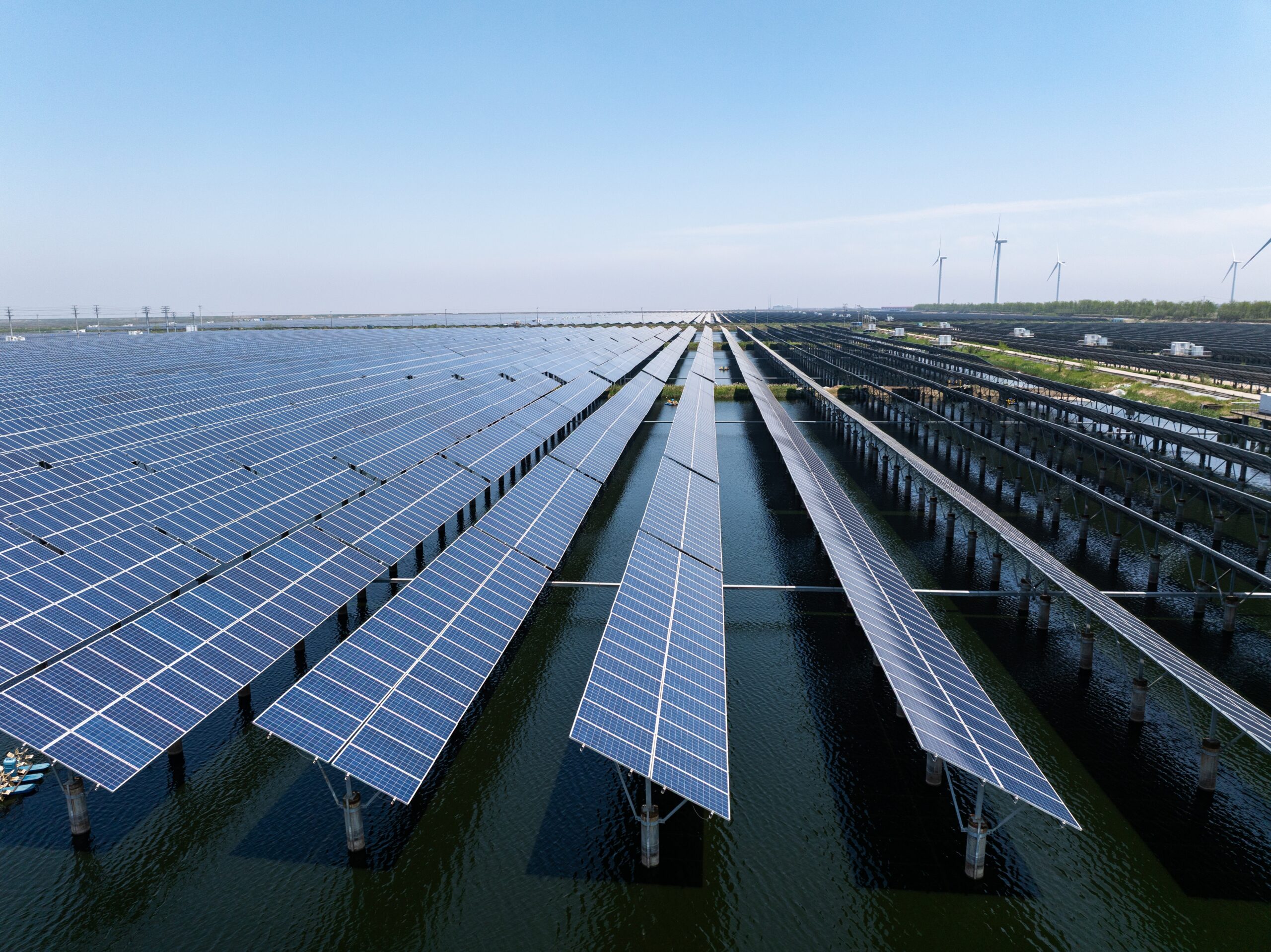
China turned away enough clean energy to power Mexico ​for a year in the six months through June as its grids hit their limits, while networks in many other nations ‌such as Australia and Japan also failed to keep pace with a surging renewables buildout.

Curtailments, or the pre-emptive rejection of wind or solar power because a grid reaches capacity, are emerging as a growing challenge to renewables globally and underscore continued reliance on fossil fuels.

China, the world’s top producer of solar power, rejected 360 terawatt-hours (TWh) of clean power from ​January to June, up 49% from the same period a year earlier, according to a report this month by Global Energy Monitor (GEM) ​and the Center for Research on Energy and Clean Air (CREA).

The report’s estimates for curtailments far exceed figures given by ⁠the Chinese government.

Insufficient transmission infrastructure and supply contracts that guarantee operations of newly built coal-fired power plants in China are forcing the rejection of abundant ​renewable output, analysts say.

“Curtailment in China is structural, not a temporary bottleneck. We expect curtailment pressure to continue through the rest of this decade,” said Yuan ​Ren, analyst at consultancy Wood Mackenzie.

Curtailments, along with a new policy that removes a guaranteed fixed price for renewables, have contributed to a 66% drop in new solar installations this year in China. At the same time, China’s coal-fired power generation is expected to rise again this year, reversing a first-in-a-decade decline.

CURTAILMENTS AFFECTING RENEWABLE INVESTMENTS

China’s National Energy Administration, which stopped ​publishing monthly data on curtailment by province in March, said in a statement last month that 8.6% of the country’s solar output and 9.1% ​of its wind output were curtailed in the first half of 2026.

But GEM and CREA estimate China rejected 26.1% of its total wind and solar output in the six ‌months through ⁠June, using weather-adjusted data to account for unreported curtailment.

The National Energy Administration did not respond to a faxed request for comment.

With curtailment worsening, it’s harder “to do pre-assessment of the financial viability of projects,” said Shawn Shuwei Zhang, chief economist at Beijing-based consultancy Draworld Environment Institute.

Clean power investments are already shifting from standalone solar projects towards solar-plus-storage to reduce exposure to curtailment, Wood Mackenzie’s Ren said.

CURTAILMENT RISING GLOBALLY

Rising curtailment extends beyond China, to the rest of the ​Asia Pacific and Europe.

In Australia’s National Electricity Market, ​curtailments surged 37% to 2.93 ⁠TWh, or 7% of its wind and solar output, in the first half of 2026, while Japan’s grid rejected 2.35 TWh — a jump of 34% and representing 4% of renewable output, data from their electricity markets showed.

India, the No.3 ​global solar generator, curtailed 8.13 TWh of solar power in the quarter ended June, its renewable energy minister said. ​That accounts for 14% ⁠of its solar output in the three months through June, grid data showed.

That compared with March quarter curtailment of 0.47 TWh of renewable output that includes both solar and wind, according to energy think tank Ember. Indian solar generation is, however, typically much higher in the June quarter, meaning curtailments will be higher too.

Efficient ⁠deployment and ​an immediate scale-up of battery storage could help stall curtailment globally, Ember analyst Kostantsa Rangelova ​said, adding that Bulgaria and Chile provided effective models that could be emulated.

“Chile added 4 GWh of batteries in 2025, more than doubling its installed capacity. Most of this new storage ​was co-located with solar plants, helping reduce curtailment,” Rangelova said.

Read the full article by  Colleen Howe and Sudarshan Varadhan / Reuters

Related Posts

With climate change threatening a generation, we need to scale solutions now
Environment

With climate change threatening a generation, we need to scale solutions now

Adani issued arrest warrant by US authorities
Environment

US judge dismisses criminal case against Indian billionaire Adani

What Google’s quantum computing breakthrough Willow means for the future of bitcoin and other cryptos
Environment

Microsoft opens its largest India data center hub as AI race heats up

Europe is blowing up riverbeds as an extreme drought wreaks havoc on its economy
Environment

Europe is blowing up riverbeds as an extreme drought wreaks havoc on its economy

Datacenter and crypto electricity use skyrocketing
Environment

Rising bills and emissions from data centers

Sick of Earth? NASA is recruiting volunteers for a yearlong Moon and Mars simulation
Environment

Sick of Earth? NASA is recruiting volunteers for a yearlong Moon and Mars simulation

The role of the Chief AI Officer (CAIO)
Environment

Flexible data centers can reduce costs — if not emissions

Big Tech purchases of carbon credits explode amid AI race, with Microsoft leading the way
Environment

How to build a sustainable business

Environment

Why climate and energy entrepreneurs need their own playbook

Trump promised to cut electric bills in half. His energy policy is doing the opposite, new analysis finds
Environment

Trump promised to cut electric bills in half. His energy policy is doing the opposite, new analysis finds

No Result
View All Result

Recent Posts

  • Employees Want Their Bosses to Respond to Feedback — But Not Too Quickly
  • China leads wave of clean power wastage as grids globally hit limits
  • Goldman Sachs to acquire LCN Capital Partners for $410 million
  • 30-year Treasury yield reaches 19-year high
  • Home Depot reaffirms guidance amid ‘broad based demand’

Archives

Categories

  • Art & Culture
  • Business
  • CEO Interviews
  • CEO Life
  • Editor´s Choice
  • Entrepreneur
  • Environment
  • Food
  • Health
  • Highlights
  • Industry
  • Innovation
  • Issues
  • Management & Leadership
  • News
  • Opinion
  • PrimeZone
  • Printed Version
  • Technology
  • Travel
  • Uncategorized

Meta

  • Log in
  • Entries feed
  • Comments feed
  • WordPress.org

  • CONTACT
  • GENERAL ENQUIRIES
  • ADVERTISING
  • MEDIA KIT
  • DIRECTORY
  • TERMS AND CONDITIONS

Advertising –
advertising@ceo-na.com

110 Wall St.,
3rd Floor
New York, NY.
10005
USA
+1 212 432 5800

Avenida Chapultepec 480,
Floor 11
Mexico City
06700
MEXICO

  • News
  • CEO Interviews
  • Opinion
  • Technology
  • Environment
  • CEO Life

  • CONTACT
  • GENERAL ENQUIRIES
  • ADVERTISING
  • MEDIA KIT
  • DIRECTORY
  • TERMS AND CONDITIONS

Advertising –
advertising@ceo-na.com

110 Wall St.,
3rd Floor
New York, NY.
10005
USA
+1 212 432 5800

Avenida Chapultepec 480,
Floor 11
Mexico City
06700
MEXICO

CEO North America © 2024 - Sitemap

Welcome Back!

Login to your account below

Forgotten Password?

Retrieve your password

Please enter your username or email address to reset your password.

Log In
No Result
View All Result
  • Home
  • News
    • Business
    • Entrepreneur
    • Industry
    • Innovation
    • Management & Leadership
  • CEO Interviews
  • Opinion
  • Technology
  • Environment
  • CEO Life
    • Art & Culture
    • Food
    • Health
    • Travel

© 2026 JNews - Premium WordPress news & magazine theme by Jegtheme.