Wednesday, April 22, 2026
  • Login
CEO North America
  • Home
  • News
    • Business
    • Entrepreneur
    • Industry
    • Innovation
    • Management & Leadership
  • CEO Interviews
  • Opinion
  • Technology
  • Environment
  • CEO Life
    • Art & Culture
    • Food
    • Health
    • Travel
No Result
View All Result
  • Home
  • News
    • Business
    • Entrepreneur
    • Industry
    • Innovation
    • Management & Leadership
  • CEO Interviews
  • Opinion
  • Technology
  • Environment
  • CEO Life
    • Art & Culture
    • Food
    • Health
    • Travel
No Result
View All Result
CEO North America
No Result
View All Result

CEO NA Magazine > Technology > A human-algorithm approach to approving medical devices could slash the recall rate and save billions

A human-algorithm approach to approving medical devices could slash the recall rate and save billions

in Technology
A human-algorithm approach to approving medical devices could slash the recall rate and save billions
Share on LinkedinShare on WhatsApp

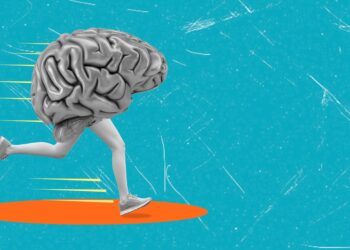
Researchers believe combining a machine learning model with human experts’ skills could make the approval process for lower-risk medical devices faster, more accurate, and cheaper. 

A new process that consolidates machine learning algorithms with unique human-based expertise promises to improve the regulatory and approval process for new medical devices by reducing the recall rate by nearly 39% and saving up to $2.7 billion a year, according to a new study. 

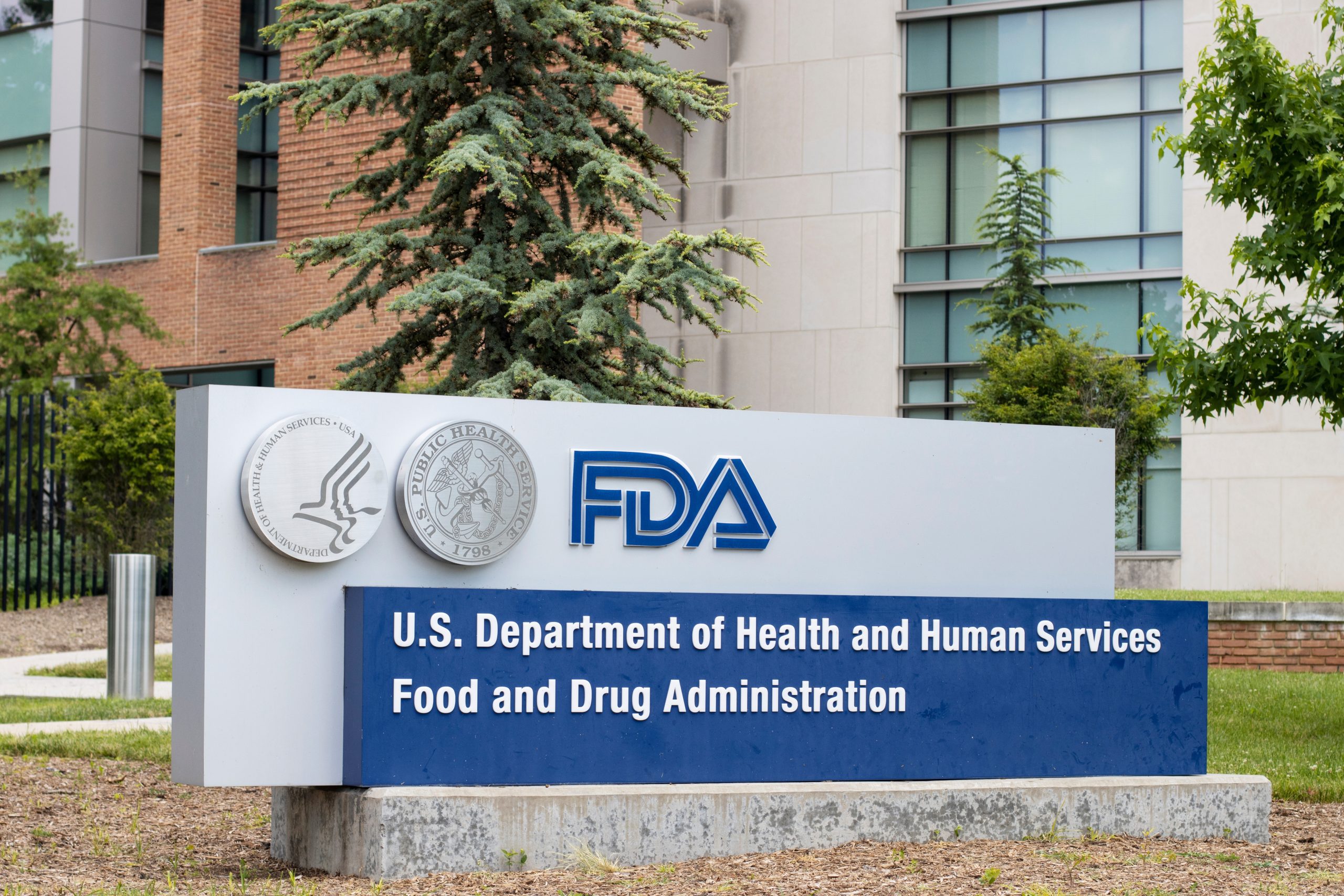
Each year, the United States Food and Drug Administration (FDA) has to review and approve a significantly large number of new medical devices vying for a place in the market.  

With limited resources, a large volume of devices to review, and a stated policy of approving the devices within a 90-day window, for a large subset of devices the FDA relies on a method that allows manufacturers to demonstrate that their device is “substantially equivalent” to a previously approved one—a process known as the 510(k) pathway. Each year that process accounts for about 3,000 devices, which include anything from a mobility scooter to a new type of catheter to orthodontic aligners. 

But while this approval method helps ease the burden on both manufacturers and regulators, it has its drawbacks. According to previous studies, 11% of devices cleared through this process had been subject to recalls; and 71% of devices recalled by the FDA had been approved this way. 

A group of researchers built a large-scale dataset of over 31,000 medium-to-low risk medical devices and 12,000 national and international manufacturers from over 65 countries. They then used that dataset to develop and train a machine learning (ML) model capable of predicting the chances of a recall. 

The researchers are Soroush Saghafian, associate professor of public policy at HKS and founder and director of the Public Impact Analytics Science Lab (PIAS-Lab) at the Mossavar-Rahmani Center for Business and Government; Mohammad Zhalechian, a former post-doc at the PIAS-Lab and now an assistant professor at Indiana University; and Omar Robles, a regulatory expert with Emerging Health Consulting and a former M-RCBG senior fellow. 

Their proposed approach would rely on a multi-step process, using their algorithm to recommend direct approval, rejection, or further evaluation by an FDA human expert. 

“A conservative evaluation of our proposed policy based on this data shows a 38.9% improvement in the recall rate and a 43.0% reduction in the FDA’s workload,” the researchers write. “Our analyses also indicate that implementing our policy could result in significant annual cost-savings ranging between $2.4 billion and $2.7 billion.” 

“Our modeling framework enables the FDA to integrate its expertise with quantitative evidence,” they write. “While it does not prescribe a specific course of action for devices that warrant further evaluation, it allows for the incorporation of the FDA experts’ judgment when necessary. Focusing the FDA’s expertise on devices requiring the most attention can significantly enhance the evaluation process, improving patient safety and reducing unnecessary workload for the FDA.” 

The paper suggests further studies into cost savings—the authors believe their conservative estimates could underestimate the advantages of benefiting from their proposed human-algorithm approach. They also suggest a randomized experiment that assigns devices in the application system randomly to their proposed human-algorithm process and the existing FDA procedure. 

By Robert O’Neill / Courtesy HARVARD Kennedy School
Related Posts

Tim Cook turned Apple into a $4 trillion juggernaut by not trying to be Steve Jobs
Technology

Tim Cook turned Apple into a $4 trillion juggernaut by not trying to be Steve Jobs

Tim Cook celebrates ‘record-breaking quarter’ for Apple
Technology

Apple withholds data in India antitrust case, watchdog sets final hearing

Starbucks launches beta app in ChatGPT to fuel new drink discovery
Technology

Starbucks launches beta app in ChatGPT to fuel new drink discovery

Antitrust probes planned for OpenAI, Nvidia and Microsoft
Technology

OpenAI touts Amazon alliance in memo, says Microsoft has ‘limited our ability’ to reach clients

Tech is doing everything right and getting left behind
Technology

Tech is doing everything right and getting left behind

Generative AI is an energy hog. Is the tech worth the environmental cost?
Technology

Analysis-Investors press Amazon, Microsoft and Google on water, power use in US data centers

Major outgoing CEOs are citing AI as a factor in their decisions to step down
Technology

Major outgoing CEOs are citing AI as a factor in their decisions to step down

Meta’s court losses spell potential trouble for AI research, consumer safety
Technology

Meta’s court losses spell potential trouble for AI research, consumer safety

OpenAI announces launch of new ChatGPT business tier
Technology

OpenAI is shutting down its Sora video app just months after launch

Rivian CEO on how its Uber deal came together, and why the AI ‘driver’ is the future of mobility
Technology

Rivian CEO on how its Uber deal came together, and why the AI ‘driver’ is the future of mobility

No Result
View All Result

Recent Posts

  • Trump promises to ‘remember’ companies that do not seek tariff refunds
  • Tim Cook turned Apple into a $4 trillion juggernaut by not trying to be Steve Jobs
  • Leaders Have Better Lives but Worse Days
  • Your Next Customer Will Find You Using AI. Now What?
  • France’s Engie discussing refund for US offshore wind projects with Trump administration

Archives

Categories

  • Art & Culture
  • Business
  • CEO Interviews
  • CEO Life
  • Editor´s Choice
  • Entrepreneur
  • Environment
  • Food
  • Health
  • Highlights
  • Industry
  • Innovation
  • Issues
  • Management & Leadership
  • News
  • Opinion
  • PrimeZone
  • Printed Version
  • Technology
  • Travel
  • Uncategorized

Meta

  • Log in
  • Entries feed
  • Comments feed
  • WordPress.org

  • CONTACT
  • GENERAL ENQUIRIES
  • ADVERTISING
  • MEDIA KIT
  • DIRECTORY
  • TERMS AND CONDITIONS

Advertising –
advertising@ceo-na.com

110 Wall St.,
3rd Floor
New York, NY.
10005
USA
+1 212 432 5800

Avenida Chapultepec 480,
Floor 11
Mexico City
06700
MEXICO

  • News
  • CEO Interviews
  • Opinion
  • Technology
  • Environment
  • CEO Life

  • CONTACT
  • GENERAL ENQUIRIES
  • ADVERTISING
  • MEDIA KIT
  • DIRECTORY
  • TERMS AND CONDITIONS

Advertising –
advertising@ceo-na.com

110 Wall St.,
3rd Floor
New York, NY.
10005
USA
+1 212 432 5800

Avenida Chapultepec 480,
Floor 11
Mexico City
06700
MEXICO

CEO North America © 2024 - Sitemap

Welcome Back!

Login to your account below

Forgotten Password?

Retrieve your password

Please enter your username or email address to reset your password.

Log In
No Result
View All Result
  • Home
  • News
    • Business
    • Entrepreneur
    • Industry
    • Innovation
    • Management & Leadership
  • CEO Interviews
  • Opinion
  • Technology
  • Environment
  • CEO Life
    • Art & Culture
    • Food
    • Health
    • Travel

© 2026 JNews - Premium WordPress news & magazine theme by Jegtheme.