– The pandemic forced many organizations to change their working models overnight.
– As a result, employees are reassessing their working lives and making radical choices.
– Organizations have an opportunity to build a culture that attracts, retains and sustains the best talent.
Organizations and individuals are hyper-focused on sustainability, and rightly so. But one of the resources that has not traditionally been part of that focus is the workforce. It’s imperative to find ways to sustain the people and teams working for businesses of all types, around the world. If growth comes at the expense of the well-being of our teams, our success will be short-lived.
Almost two years since the pandemic upended work – funneling some people into new remote work models and forcing others into fraught essential onsite jobs – we can see that our old work models are strained. Many non-executives don’t want the old models restored, whereas executives tend to be more eager to return to the old models.
These different feelings about returning to work highlight a broader disconnect between the two groups. To deliver what employees want, executives need to have conversations with members of their workforce and recruits to understand what motivates them. But most executives report that they are making plans for post-pandemic work approaches with little to no input from employees.
Employees are dissatisfied and want change
Some employees are inspired by the new ways of working they’ve discovered; others are burned out by the extra pressures they’ve endured. Some have simply realized, in the face of vast illness and death, that they want more out of life. They don’t want to fit their lives in around commuting and working; they want work to accommodate their lives.
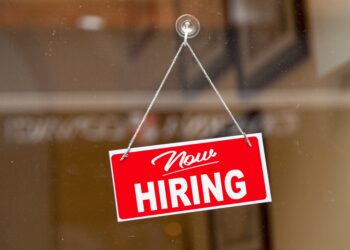
The “great resignation” is a sign of that mindset shift. People are quitting their jobs in droves. More than half (57%) of all knowledge workers responding to a Future Forum survey say they are open to looking for a new job; the proportion rises to 71% among those who are not satisfied with the degree of flexibility possible in their current job. Businesses of all types report difficulty filling positions. The situation does not apply just to knowledge workers. Those who work in manufacturing, retail, and hospitality are also eager for new, flexible models of work.
Employers have an opportunity to embrace it
There’s potentially a big upside to all of this. We have (inadvertently) created an opportunity to design a more sustainable way of working. We can and should supersede the great resignation with the great recalibration: let’s remake jobs so that they meet employees’ needs and desires and boost their quality of life, while building businesses of the future.
This new way of thinking is good for employees and it’s good for organizations that embrace it. They’ll gain the ability to attract and retain talent – talent that really wants to be there, even if “there” is a digital connection.
Here are some key steps toward a great recalibration:
– Push down decision making. Instead of concentrating decision-making responsibility in the hands of select leaders, push it down to other levels of the organization. Doing so will build a sense of ownership and investment, inspiring employees to engage. Allowing employees to step up and exercise their judgment will bring a new creativity to decision making.
– Build a culture of trust and transparency. In a flexible workplace, trust and transparency are more crucial than ever. Everyone should be able to confidently assume that work is getting done. Deborah Lovich, Manager Director and Senior Partner at Boston Consulting Group, describes work during COVID, “Leaders simply had to trust their people. They didn’t have time for endless steering committees or death by PowerPoint. They just needed to trust people to deliver, and they did.” We often don’t recognize how impactful a culture of trust can be, but I’ve seen firsthand, after years of working with great organizations, that trust can become so ingrained and long-lasting that people don’t even realize how many times every day they are relying on things to work as they should. We can and should extend this culture to all workplaces.
– Support flexible working. We’ve seen the data supporting employees’ desire to continue to work from remote locations, at least some of the time. People also report that they want flexibility in when they work. Both of these factors will enable people to fit work into their lives rather than living on the edges of work. But flexibility doesn’t stop with a revised but static plan. Change must be continuous. There’s no one size fits all, not even for a single company or a single department within a company.
The new world of work
The pandemic has taught us that workers don’t need to be under a manager’s thumb to get work done. The pandemic has also given workers an appetite for flexibility, self-determination, and self-navigation. There’s an opportunity now to reconstitute the future of work. Organizations that seize that opportunity can create new work models that make them employers of choice, able to attract, retain and sustain the best talent.
(Courtesy Boston Consulting Group (BCG). By Sharon Marcil, Regional Chair, North America, Boston Consulting Group (BCG). The views expressed in this article are those of the author alone and not the World Economic Forum).