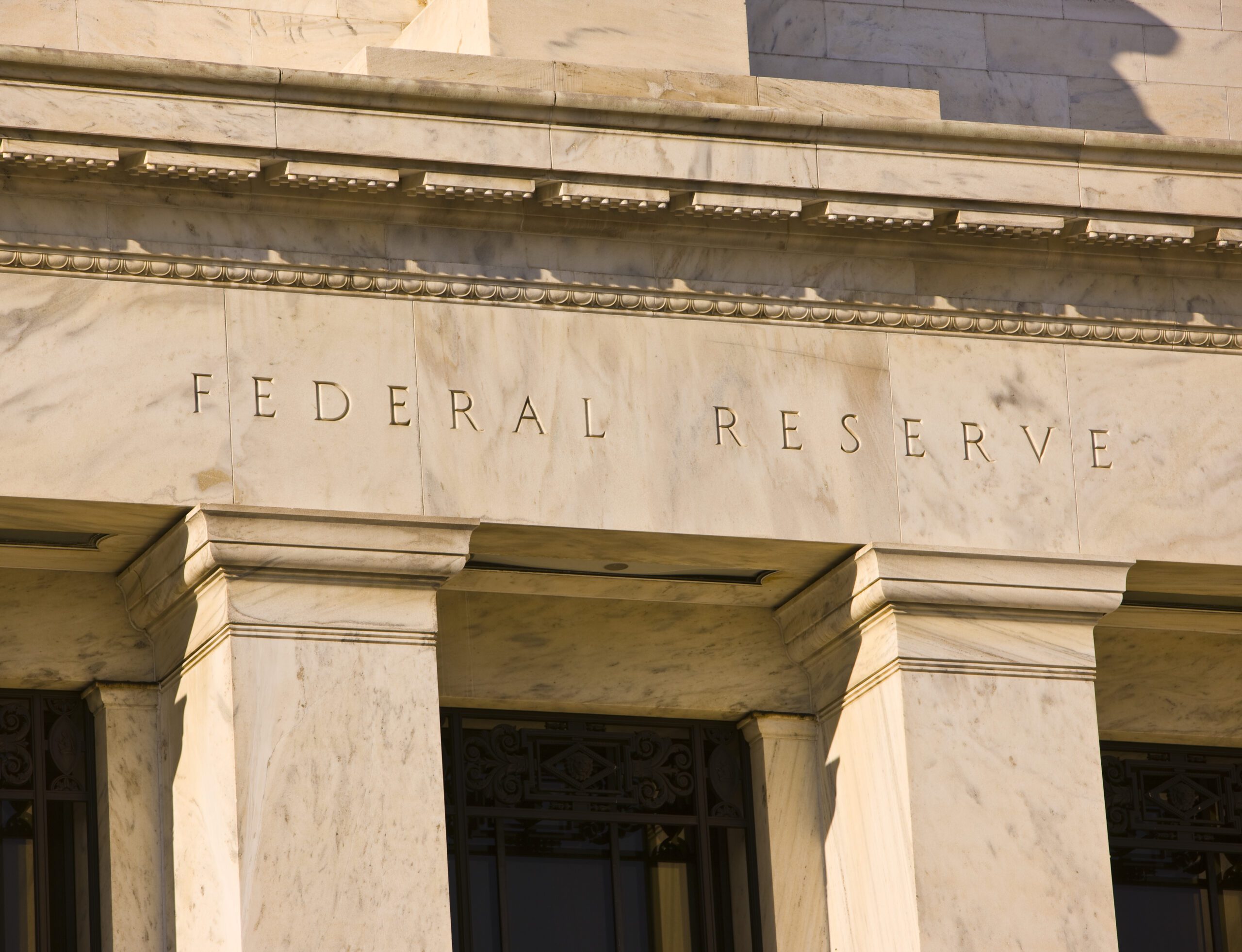
The Federal Reserve’s handling of inflation is negatively impacting the U.S. economy, housing market, and efforts to combat climate change, wrote Jen Harris of the Economy and Society Initiative at the William and Flora Hewlett Foundation in The New York Times. Despite inflation measures, such as the Personal Consumption Expenditures price index, showing signs of stabilizing, the Fed has maintained high interest rates, which the author believes are unnecessary and harmful.
The article highlights that the Fed’s high interest rates have frozen the housing market, preventing potential first-time home buyers from purchasing homes and trapping them in an expensive rental market. This has been particularly damaging for middle-class Americans, who often build wealth through homeownership. Additionally, the high rates have increased the cost of financing for clean energy projects, hindering the transition to renewable energy sources and exacerbating climate change challenges.
The author suggests that the Fed’s strategy is misguided, as current inflation largely stems from supply-side factors like global disruptions and natural disasters, which are not effectively addressed by interest rate hikes. The piece advocates for more targeted measures, such as strategic reserves for critical minerals and specific financial support for housing and clean energy projects, to mitigate inflation and support economic stability. The author urges the Fed to consider lowering interest rates immediately rather than delaying action.