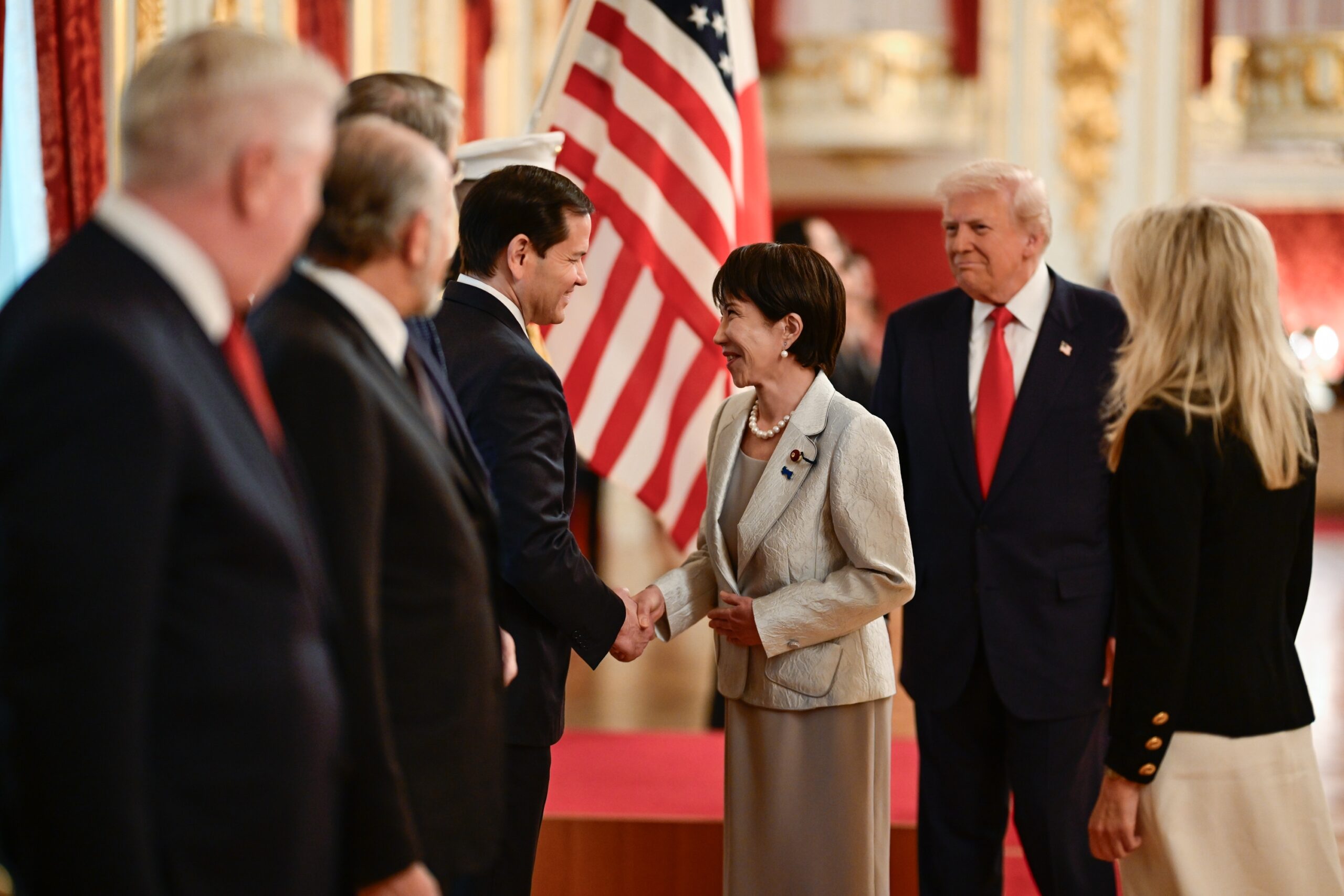
Japan and the United States announced Monday that they carried out a coordinated yen-buying intervention and are prepared to take additional measures.
The coordinated intervention was the first joint U.S.-Japan effort to buy yen since 1998 and the first such action involving both countries since the G7’s move to weaken the yen after the 2011 earthquake.
The intervention, which happened on Friday, highlighted both nations’ determination to prevent a selloff in the yen and Japanese government bonds from causing global impacts, such as increasing upward pressure on already rising U.S. Treasury yields.
Tokyo has become more cautious about the yen’s decline, which recently hit its lowest point against the dollar in nearly 40 years. The yen had been at multi-decade lows, falling to 163.73 per dollar last Thursday, then rebounding to 157.57 on Friday.
Japan’s finance ministry said Monday it plans to use the FIMA repo facility for future interventions.
President Donald Trump stated that the U.S. took part in last week’s coordinated intervention to back the yen, aiming to support Japan and promote global economic stability.
Washington’s move to team up with Japan in supporting the battered yen has raised questions about what drove the rare coordinated effort, with analysts citing worries over U.S. Treasury markets and Japan’s financial system.
By CEO NA Editorial Staff