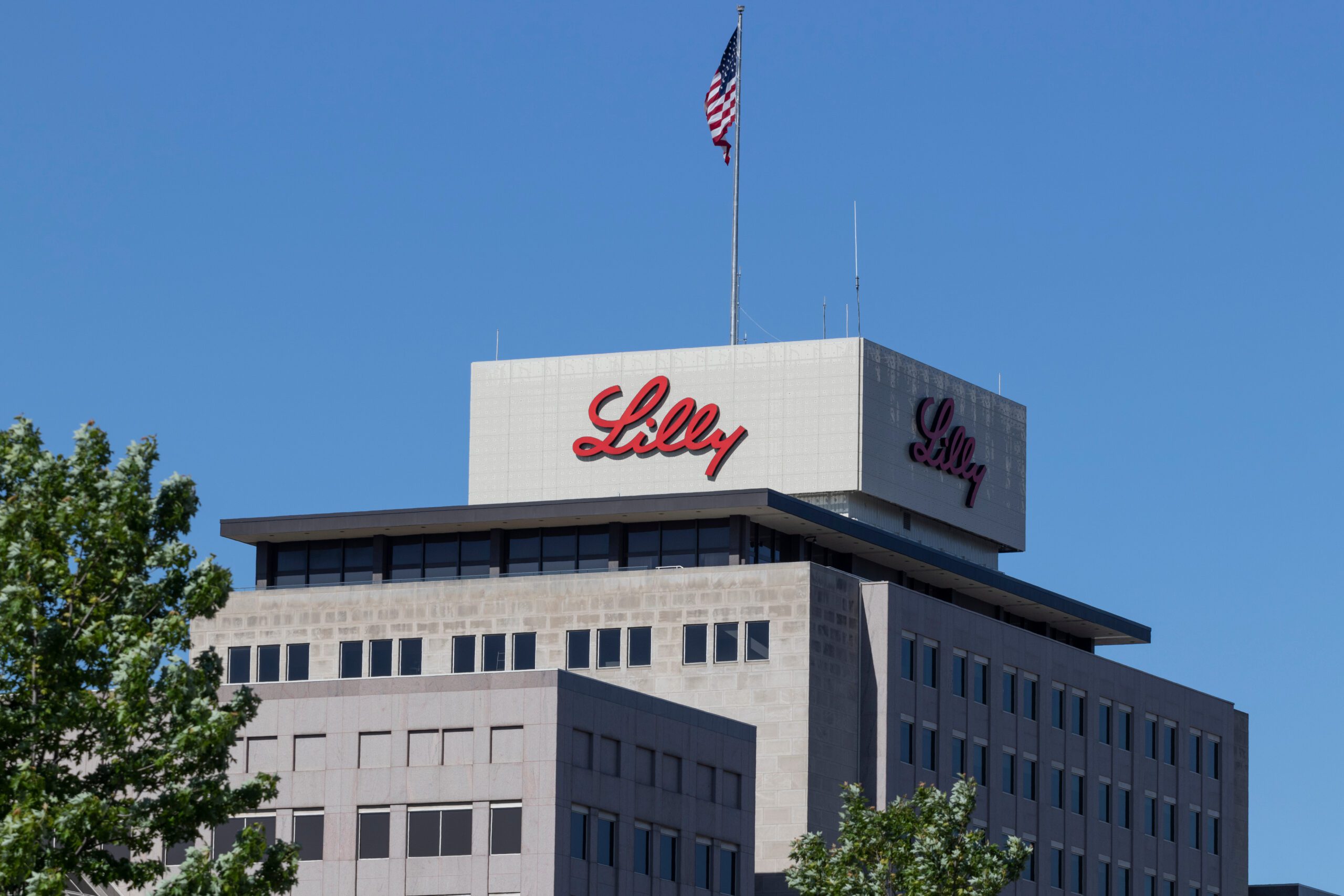
Weightloss drug giant, Eli Lilly and Company, has announced plans to invest more than $6 billion in a new manufacturing facility in Huntsville, Alabama.
The company intends to use the facility to increase the production of its highly anticipated experimental obesity medication, orforglipron, along with other drugs.
According to Eli Lilly, the facility will bring 450 high-value jobs to the area, including engineers, scientists, operations personnel and lab technicians. Construction, expected to begin in 2026, is also anticipated to generate 3,000 jobs.
David A. Ricks, Lilly chair and CEO told investors, “Huntsville’s track record of science and innovation, supported by advanced manufacturing expertise and a skilled workforce, makes Alabama an ideal location for Lilly to expand domestic manufacturing capacity for next‑generation medicines. Today’s investment continues the onshoring of active pharmaceutical ingredient (API) production, strengthening supply chain resilience and reliable access to medicines for patients in the U.S.”
Kay Ivey, Governor of Alabama stated, “We are proud to welcome Lilly’s new U.S. manufacturing facility, which we are thrilled is the largest initial investment in our state’s history. No doubt, Alabamians will help Lilly do things that have never been done before, and we will ensure this great company achieves their mission of improving the health and well-being of people all around the country and globe.”
Eli Lilly announced that the Greenbrier South site in Huntsville, Alabama was chosen from over 300 applications, partly due to its proximity to the HudsonAlpha Institute for Biotechnology, an established bioscience campus that supports workforce training and research.
Edgardo Hernandez, EVP and President of Lilly Manufacturing Operations said, “Our investment not only expands our technical capabilities but also reinforces our commitment to environmental stewardship, leveraging innovative processes to minimize waste and achieve carbon neutrality. Each step forward strengthens our U.S. operations and supports healthier communities for the future.”
Project completion is expected in 2032.
By CEO NA Editorial Staff