Monday, July 13, 2026
  • Login
CEO North America
  • Home
  • News
    • Business
    • Entrepreneur
    • Industry
    • Innovation
    • Management & Leadership
  • CEO Interviews
  • Opinion
  • Technology
  • Environment
  • CEO Life
    • Art & Culture
    • Food
    • Health
    • Travel
No Result
View All Result
  • Home
  • News
    • Business
    • Entrepreneur
    • Industry
    • Innovation
    • Management & Leadership
  • CEO Interviews
  • Opinion
  • Technology
  • Environment
  • CEO Life
    • Art & Culture
    • Food
    • Health
    • Travel
No Result
View All Result
CEO North America
No Result
View All Result

CEO NA Magazine > CEO Life > Travel > Yangon: The Brooklyn of Southeast Asia

Yangon: The Brooklyn of Southeast Asia

in CEO Life, Travel
Share on LinkedinShare on WhatsApp

Yangon boasts a vibrant mix of atmosphere that represents the best of the little-explored Asian nation.

By Renata Barragán
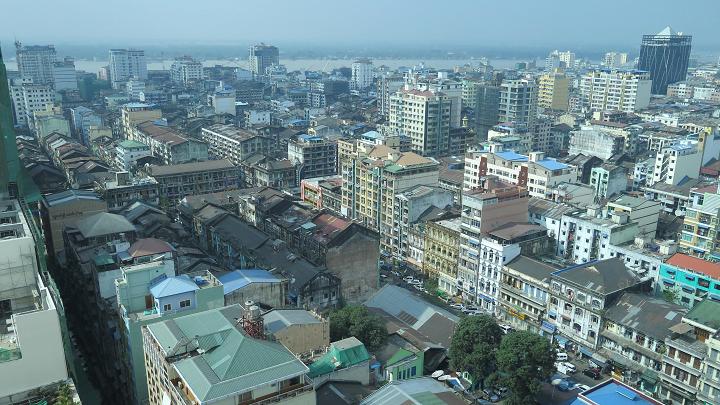
Yangon is the commercial and industrial center of Myanmar in Southeast Asia.

Yangon, once closed off to tourists, combines ancient history and contemporary culture to become an ideal place to visit.

In the 11th century, Anawrahta, the first king of the country now known as Myanmar, rode into the medieval city-state of Bagan with a cavalry of horses and elephants, and built an empire that would stretch from the Malay Peninsula to the Himalayas. Yet today, as you walk the streets of Yangon, it often seems that they had been crushed by that same herd of elephants, so dilapidated are the city’s sidewalks.

With a population of over 7 million people, Yangon – formerly known as Rangoon – is the largest and oldest city in Myanmar, its principal commercial center, and until 2006, its capital. It boasts the largest number of colonial buildings in the country, many over 1,000 years old; the country’s most sacred Buddhist monument, the gilded Shwedagon Paya; and the mausoleum of the last Mughal emperor, Bahadur Shah Zafar.

Yet Yangon’s public infrastructure is extremely poor and can make exploring the city a stressful experience.

Traffic congestion, exacerbated by dysfunctional urban planning, is par for the course. Elsewhere, you will have to fight for space on the sidewalks where vendors hawk fruit, fried food, and pirate films, while women wash dishes outside restaurants whose tables spill out onto the street. Stray animals are everywhere.

The Yangon climate

Yangon’s climate might be described as intense, averaging 100 degrees Fahrenheit throughout the year with high levels of humidity, while rainy season spans May to September. Yet the city is rapidly becoming a tourist hub following the decision by Myanmar’s government to finally open its doors to foreign visitors in 2011.

Former political exiles, investors from across Asia, and backpackers have rapidly moved in, producing a dynamic cultural and economic center that represents diverse elements from across the country.

The awe-inspiring Shwedagon Paya monument is the centerpiece around which the principal activities of the city revolve. The nearby downtown, dotted with stunning colonial architecture, hosts a sprawling open-air market with a huge variety of goods, both local and foreign, for sale; beyond the monument lie the green areas where Yangonites, or locals, go to take a breather from it all. Kandawgyi Lake and its surrounding park, along with Inya Lake, to the north, make up beautiful spots to cool off from the heat and unwind.
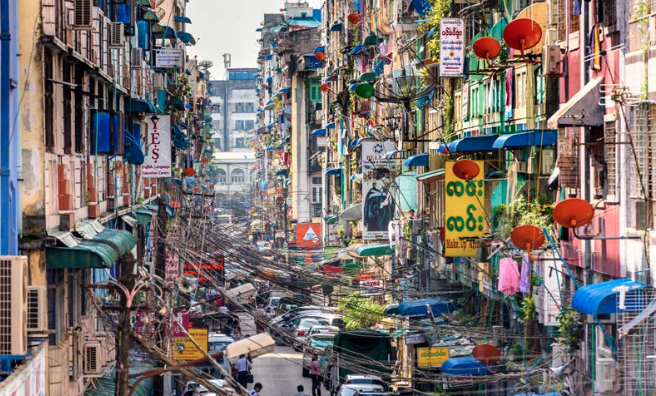
Yangon stands on the east bank of the oceanic River Yangon, about 30km from the Andaman Sea.

Nevertheless, with so many other options available for travelers to Asia, including hotspots such as Thailand and Malaysia, and Myanmar only recently embracing tourism, the country has a long way to go to compete with the aforementioned nations. Myanmar currently receives around just 3 million foreign tourists per year compared to the between 15 and 20 million that visit Thailand annually. Yet its reputation as a fascinating alternative is growing.

 A cultural shock

Without a doubt, Yangon can cause a culture shock, yet friendly locals will help you make sense of it all, and inevitably give out the best advice.

For example, the city’s taxi drivers are, against the odds, a patient and relaxed bunch, often telling passengers jammed in the seemingly endless traffic: “Listen, it will be faster if you get out and walk from here.” They’ll give you directions, and sometimes even offer a refund for your troubles.

Ultimately, Yangon is a city where people remain patient and warm-hearted despite the frustrations and challenges they face as residents of one of the world’s most chaotic, yet endlessly interesting, culturally rich, and still relatively-unexplored, metropolises.

Tags: AsiaChief Executive OfficerTravelYangon

Related Posts

The best of what to do in Barcelona
Travel

The best of what to do in Barcelona

‘Inescapably epic’: Why Total Eclipse of the Heart is the most dramatic pop song ever written
Art & Culture

‘Inescapably epic’: Why Total Eclipse of the Heart is the most dramatic pop song ever written

Climate Action Must Include Nutrition
Health

How the ‘fresh start’ effect can help you stick to good habits

What Google’s quantum computing breakthrough Willow means for the future of bitcoin and other cryptos
Environment

Google backs nuclear fusion startup targeting Europe’s first commercial power plant

Why New Jersey’s balcony solar bill is a huge deal for renters
Environment

Why New Jersey’s balcony solar bill is a huge deal for renters

Why We Can’t Get Enough Juicy Art Heist Stories
Art & Culture

Why We Can’t Get Enough Juicy Art Heist Stories

Want to leverage wearable tech like a World Cup athlete? Here are the metrics to track
Health

Want to leverage wearable tech like a World Cup athlete? Here are the metrics to track

Inside the ‘darecation’: Why travellers are choosing holidays that hurt
Travel

Inside the ‘darecation’: Why travellers are choosing holidays that hurt

How Limitless Green Energy Would Change the World
Environment

The Importance of Sustainability Strategy in Business: Driving Environmental Change

Extreme heat is miserable and dangerous. It’s also making us age faster
Environment

Should you go to work during a heat wave? Your productivity suffers, and GDP tanks when it’s hot

No Result
View All Result

Recent Posts

  • Oil jumps as U.S. and Iran exchange strikes
  • Looking Beyond Cash to Motivate Employees
  • Data liquidity leads to AI success
  • Musk and Altman clash on X after Apple files lawsuit
  • SK Hynix shares slip 12% after stellar Nasdaq debut

Archives

Categories

  • Art & Culture
  • Business
  • CEO Interviews
  • CEO Life
  • Editor´s Choice
  • Entrepreneur
  • Environment
  • Food
  • Health
  • Highlights
  • Industry
  • Innovation
  • Issues
  • Management & Leadership
  • News
  • Opinion
  • PrimeZone
  • Printed Version
  • Technology
  • Travel
  • Uncategorized

Meta

  • Log in
  • Entries feed
  • Comments feed
  • WordPress.org

  • CONTACT
  • GENERAL ENQUIRIES
  • ADVERTISING
  • MEDIA KIT
  • DIRECTORY
  • TERMS AND CONDITIONS

Advertising –
advertising@ceo-na.com

110 Wall St.,
3rd Floor
New York, NY.
10005
USA
+1 212 432 5800

Avenida Chapultepec 480,
Floor 11
Mexico City
06700
MEXICO

  • News
  • CEO Interviews
  • Opinion
  • Technology
  • Environment
  • CEO Life

  • CONTACT
  • GENERAL ENQUIRIES
  • ADVERTISING
  • MEDIA KIT
  • DIRECTORY
  • TERMS AND CONDITIONS

Advertising –
advertising@ceo-na.com

110 Wall St.,
3rd Floor
New York, NY.
10005
USA
+1 212 432 5800

Avenida Chapultepec 480,
Floor 11
Mexico City
06700
MEXICO

CEO North America © 2024 - Sitemap

Welcome Back!

Login to your account below

Forgotten Password?

Retrieve your password

Please enter your username or email address to reset your password.

Log In
No Result
View All Result
  • Home
  • News
    • Business
    • Entrepreneur
    • Industry
    • Innovation
    • Management & Leadership
  • CEO Interviews
  • Opinion
  • Technology
  • Environment
  • CEO Life
    • Art & Culture
    • Food
    • Health
    • Travel

© 2026 JNews - Premium WordPress news & magazine theme by Jegtheme.