Bruce Newman wanted to surprise his wife with a trip for her 75th birthday, and the New Brunswick, Canada, retiree thought he had it all planned, recalling their visit to New York a decade ago when she turned 65, and they celebrated with a Broadway show.
But last year, as he began to map out the trip, he felt stung first by President Donald Trump’s decision to impose tariffs, and again when talk of re-christening Canada the 51st state was bandied about.
The final straw, he said, was watching — with horror — as ICE battled American citizens in Minnesota. He booked a trip to London instead, where he and his wife, Helen Jean, saw “The Book of Mormon” in early March.
“I actually think we are at war with the US and people don’t realize it,” Newman said in an interview with CNN. “It’s an economic war.”
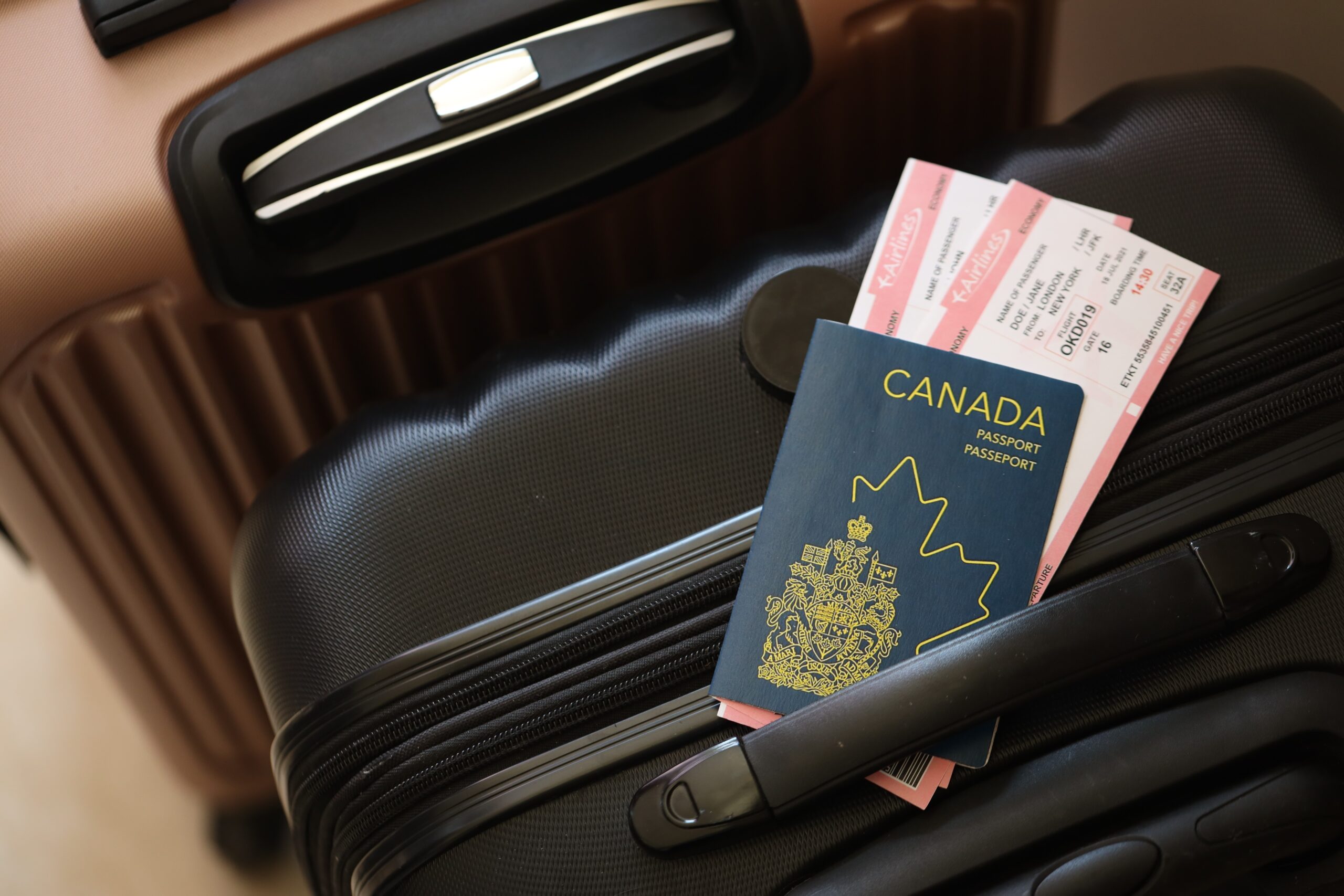
Newman is one of millions of Canadians who have ceased traveling to the US since Trump took office last year.
In 2024, more than 20 million Canadians visited the US, according to the U.S. Travel Association — more than any other nationality.
But final figures posted on Friday by the US National Travel and Tourism Office (NTTO), show a 21% drop in Canadian arrivals last year compared with 2024 — representing about 4.2 million fewer Canadian visitors.
Gone, for many Canadians, are the splashy visits to New York City, the ritual summer stays in Maine, the Boston Red Sox and Seattle Mariner games, and the months spent under the Florida sun golfing or at Disney World. Some Canadians who live close to the US are even forgoing regular cross-border shopping trips to Maine, Michigan, New York and other border states where they once could purchase items for much less.
In the space of one year, a friendship between the two countries that dates back several centuries and includes a shared culture has been ruptured, possibly with permanent repercussions.
Some Canadians say they don’t know when they will come back to the US.
“We don’t feel welcome to cross that border,” said Susan Morell, a retired government communications director who canceled a 2025 trip to Disney World with her grandchildren.
The trips Canadians have canceled impact numerous regions of the US and rob many states of tourism dollars that have instead gone to other places, including Mexico and Europe.
Todd Johnson is in Mexico now. That’s because he loves playing golf, and his dream was to spend six weeks golfing in Arizona once he stopped working. The Saskatchewan resident has taken golf vacations in the States for years, visiting resorts in both Arizona and Florida for fun-filled trips with his buddies.
After 40 years working in the HVAC industry, he finally retired last year. But instead of visiting Phoenix this winter as he’d long planned, he and his wife went to the Yucatán Peninsula.
At a rental near Cancun, Johnson said he was surrounded by Canadians doing the same thing — spending part of the winter months in a warm locale that wasn’t in the US.
“My friends are the same way. They’re not going to the States,” Johnson said in an interview during his six-week stay. “We’re not giving America any of our money.”
He added, “We will vote with our wallets.”
Not all Canadians skipping the US
Some Canadians are still visiting the US. With the long winters up North, and the heavy snowfall this year, the lure of Florida remains strong.
Stuart Kinsinger and his wife, Laurel, are staying in Sarasota, Florida, which they’ve been visiting for decades. Kinsinger, who lives near Toronto and teaches healthcare ethics, said he’s an independent and Americans are entitled to their own political opinions.
He also said the weather in Florida right now is beautiful, and he enjoys running and pickleball there.
“We love it too much here to consider somewhere else,” he said.
But compared to past years, he says it’s noticeable how few Canadians are visiting.
Kinsinger visited the US in August, and he said that visit was also light on fellow Canadians.
“We were in Maine last summer and we were the only Canadian vehicle that we saw, and that’s high season,” he said. “That really surprised us.”
Observers say there are few precedents in the history of relations between the two countries, partly because the verbal attacks against Canada have been so remarkable.
“This is really unique so it’s difficult to say how long it will last,” said Xavier Delgado, a Canada-US analyst associated with the nonpartisan think tank, the Wilson Center, in Washington, DC.
He said the White House doesn’t appear motivated to tone down anti-Canada rhetoric, which he said Canadians see as “an insult.”