Creatine used to be the stuff of bodybuilder and elite athlete chat. Now, thanks to its documented impact on strength, recovery, brain health and healthy ageing, it’s gone mainstream.
Influencers have fuelled its rise, with hundreds of thousands of social posts tagged with #creatine. People, of all ages and athletic abilities are making claims about how it can improve your life.
As a dietitian, I’m often asked whether creatine supplements like powders, gummies or capsules are worth buying. Here’s the answer…
What is creatine?
Produced in the kidneys, liver and pancreas, creatine is often associated with protein – and there’s good reason. Amino acids are the building blocks of protein, and creatine is made from three of them (arginine, glycine, and methionine).
That said, it’s not actually classified as a protein, external – its structure and makeup aren’t complex enough.
A quick source of energy for muscles, creatine’s especially important if you do short-duration, high-intensity activities like sprinting.
It contributes to performance, external in exercises that require more continuous effort and plays a role in post-exercise recovery, potentially even reducing the risk of injury.
Creatine for healthy ageing and muscle strength
Growing evidence suggests creatine could help us as we age, supporting muscle growth and reducing the effects of sarcopenia, external, the age-related deterioration of muscle.
But all the evidence shows that, crucially, it has to be used alongside exercise – specifically resistance training – to make a difference.
On its own, creatine is unlikely to give any substantial improvements in strength or lean muscle, although it may help reduce fatigue.
When combined with movement, though, it’s been shown to improve strength, support mobility and increase muscle mass, external. This is especially true for those who are post-menopausal, external.
Can creatine boost brain function and memory?
Research suggests creatine could help improve mood, external, brain function during sleep deprivation, external, memory, external and cognitive performance, external., external
Can you get enough creatine from food?
While our bodies make most of the creatine we need, we do need to replenish around 1-3g per day, external through our diet. If you’re sporty or take part in high-intensity training, you’ll probably need a little more.
It’s mainly found in meat and fish, making it harder for vegetarians or vegans to reach the amounts they need. While eggs and dairy offer small amounts, there are no plant-based sources.
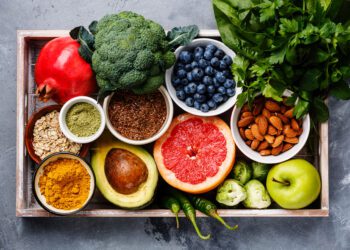
That said, some plant foods come with amino acids like glycine, arginine and methionine, which the body uses to produce its own creatine. These include nuts and seeds like almonds, walnuts and sunflower seeds; legumes such as chickpeas, lentils and beans; mushrooms, particularly shiitake and oyster varieties; and soy products like tofu and tempeh.
This might not pack the same creatine punch as animal sources or supplements, but food tends to have more varied nutritional value than capsules.
Are creatine supplements safe and who should take them?
While creatine supplements at the recommended doses are considered safe for most healthy adults, they can have side effects like bloating, nausea or temporary weight gain due to increased water retention. Some supplement formats, such as gummies, can also contain added sugars.
It’s not a one-size-fits-all situation. You’d do better to look at your overall diet, not just a single nutrient. Eating balanced meals with a variety of foods is still the foundation for long-term health and sports performance.