Does Protein Intake Change with Aging?
Yes, protein needs may change with aging.
Recent research suggests you may need to increase your protein intake as you age. Protein needs may be higher than the recommended dietary allowance (RDA) suggests with aging, as the RDA does not account for age-related or other individual differences that affect protein requirements.
The RDA states that the protein requirement is 0.8 grams per kilogram(g/kg) body weight. However, recent research recommends that healthy older adults consume 1 to 1.2 g of protein per kg of body weight to help preserve muscle mass. For someone weighing 135 pounds, this roughly translates to 61 to 74 grams of protein, compared to the RDA of 49 grams.
Still, protein needs are individualized, depending on your sex, age, medical history, health goals, and activity level.
Why Does Protein Intake Increase with Aging?
Aging muscles become anabolically resistant, or less responsive to the effects of protein and exercise on muscle protein synthesis. This means you need a greater stimulus (such as protein) for muscle protein synthesis to occur.
Sufficient protein intake not only supports muscle mass but also influences overall health, slowing age-related declines. Anabolic resistance is associated with reduced insulin sensitivity and increased inflammation, both of which contribute to the development of chronic conditions.
Why Is Protein Intake Important with Aging?
Protein helps preserve muscle mass with aging. Muscle mass declines with age, beginning in the third decade, with a more rapid decline of 30-50% between the ages of 40 and 80.
One study found that those who consumed the most protein preserved significantly more lean mass than those who consumed the least. Notably, the study observed that women who consumed the most protein had a 35-50% lower odds of age-related muscle loss (sarcopenia). Increased protein intake can slow age-related muscle loss, supporting independence and mobility later in life.
How to Add More Protein to Your Diet
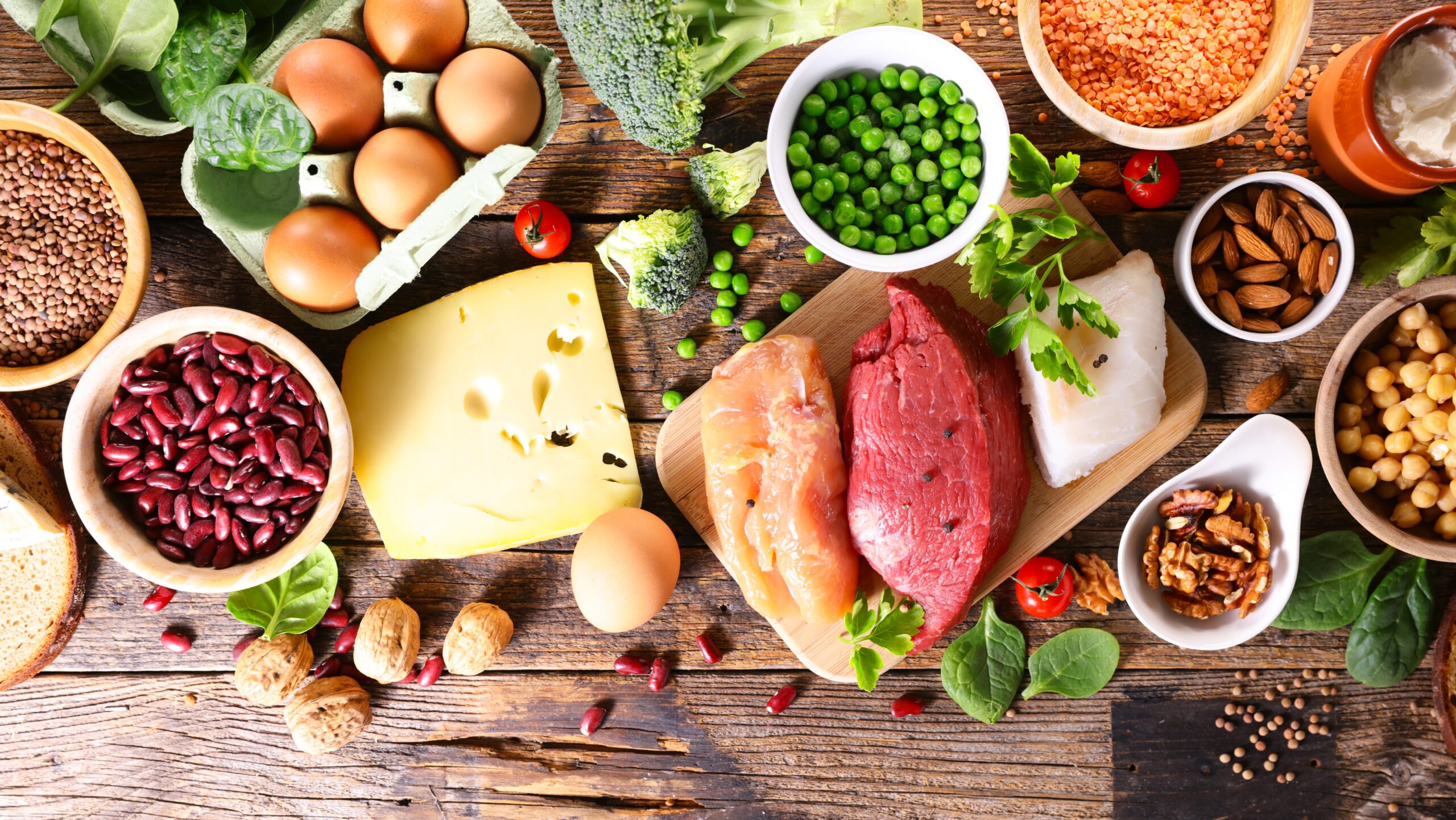
- Start your day with protein, such as eggs, Greek yogurt, or a protein smoothie.
- Choose high-protein snacks, such as nuts, seeds, edamame, or cheese.
- Incorporate lean meats and fish at meals.
- Add plant-based proteins, such as tofu, beans, or lentils, to dishes.
- Use protein powders in smoothies or shakes to help fill nutrient gaps.
- Incorporate dairy like Greek yogurt, skyr, cottage cheese, or milk to help up protein intake.