New US dietary guidelines released Wednesday echo past advice, but also include nods to US Health and Human Services Secretary Robert F. Kennedy Jr.’s “Make America Healthy Again” movement — urging Americans to prioritize protein and “healthy fats” and limit their consumption of ultraprocessed foods and added sugar.
“My message is clear: Eat real food,” Kennedy said during a White House briefing on Wednesday.
The previous guidelines, issued in 2020, featured almost 150 pages of extensive advice on how to follow a healthy diet and incorporate healthy foods into Americans’ diets at every age. The new recommendations from HHS and the US Department of Agriculture fulfill Kennedy’s promise that they will run only a few pages, but they were to be supplemented with hundreds more pages of research and justification.
Officials say that following the guidance “can help prevent the onset or slow the rate of progression of chronic disease” — a tentpole topic of the MAHA movement. In addition to advice on protein, sugar and processed foods, they also tell Americans, when adding fats to meals, to “prioritize oils with essential fatty acids, such as olive oil. Other options can include butter or beef tallow,” another favorite of Kennedy’s.
The updated guidelines raised questions among some experts who worried they put too much emphasis on red meat and dairy products, but also garnered early approval from some influential voices.
“The American Medical Association applauds the Administration’s new Dietary Guidelines for spotlighting the highly processed foods, sugar-sweetened beverages, and excess sodium that fuel heart disease, diabetes, obesity, and other chronic illnesses,” AMA President Dr. Bobby Mukkamala, an otolaryngologist—head and neck surgeon, said in a statement. “The Guidelines affirm that food is medicine and offer clear direction patients and physicians can use to improve health.”
The American Heart Association said it commends the emphasis on eating more vegetables, fruits and whole grains while limiting consumption of added sugars, refined grains, highly processed foods, saturated fats and sugary drinks. But the association has concerns around the guidelines’ protein recommendations.
“We are concerned that recommendations regarding salt seasoning and red meat consumption could inadvertently lead consumers to exceed recommended limits for sodium and saturated fats, which are primary drivers of cardiovascular disease. While the guidelines highlight whole-fat dairy, the Heart Association encourages consumption of low-fat and fat-free dairy products, which can be beneficial to heart health,” the AHA statement said, urging more research on what protein amounts.
“Pending that research, we encourage consumers to prioritize plant-based proteins, seafood and lean meats and to limit high-fat animal products including red meat, butter, lard and tallow, which are linked to increased cardiovascular risk.”
The guidance shapes school meals, the Women, Infants and Children program or WIC and the Supplemental Nutrition Assistance Program or SNAP. Local health departments also will be looking at these updated dietary guidelines closely.
What’s in the dietary guidelines
The 2025-30 dietary guidelines focus on more protein intake than has previously been recommended, and the new recommendation is based on body weight: 1.2 to 1.6 grams per kilogram per day, the equivalent of 81.6 to 109 grams for a 150-pound person.
The updated guidelines favor full-fat dairy with no added sugars, calling for three servings per day for someone on a 2,000-calorie diet.
They also suggest prioritizing “fiber-rich” whole grain with two to four servings per day and significantly reducing highly processed, refined carbs including white bread, flour tortillas and crackers.
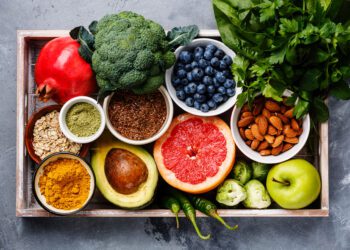
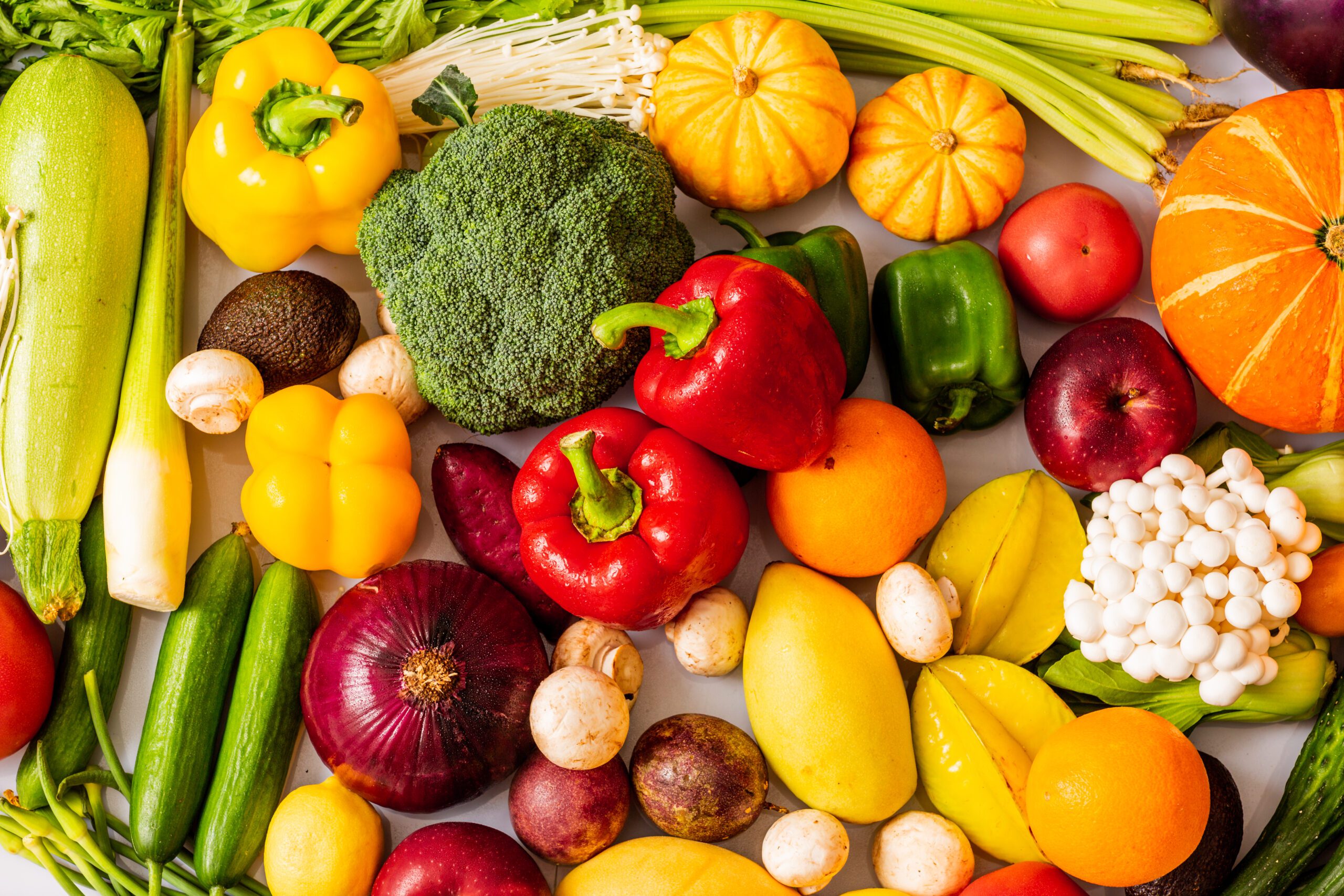
The guidelines also recommend three servings of vegetables and two servings of fruits per day for a typical 2,000-calorie diet. The guidelines emphasize eating whole foods in their original form but also say, “frozen, dried, or canned vegetables or fruits with no or very limited added sugars can also be good options.”
Ultraprocessed foods are singled out in the new guidelines: “Avoid highly processed packaged, prepared, ready-to-eat, or other foods that are salty or sweet, such as chips, cookies, and candy that have added sugars and sodium (salt). Instead, prioritize nutrient-dense foods and home-prepared meals. When dining out, choose nutrient-dense options.”
Infants should be fed breast milk for the first 6 months, or iron-fortified formula if breast milk is not available, the new guidelines say. Breastfeeding may continue for 2 years or longer, but formula should be stopped after 12 months.
Added sugars should be avoided in infancy and early childhood, through age 10.
Alcohol guidance
The updated guidelines echo the 2020 version by urging “less alcohol for better health,” although they do away with the previous recommendation that men limit their intake to two drinks or less per day and women to one drink or less.
“Alcohol is a social lubricant that brings people together. In the best case scenario, I don’t think you should drink alcohol, but it does allow people an excuse to bond and socialize. And there’s probably nothing healthier than having a good time with friends in a safe way,” said Dr. Mehmet Oz, administrator of the Centers for Medicare & Medicaid Services.
“But the implication is, don’t have it for breakfast. This should be something done in small amounts.”
Read the full article by Jacqueline Howard, Katherine Dillinger, Tami Luhby / CNN