Thursday, October 15, 2026
  • Login
CEO North America
  • Home
  • News
    • Business
    • Entrepreneur
    • Industry
    • Innovation
    • Management & Leadership
  • CEO Interviews
  • Opinion
  • Technology
  • Environment
  • CEO Life
    • Art & Culture
    • Food
    • Health
    • Travel
No Result
View All Result
  • Home
  • News
    • Business
    • Entrepreneur
    • Industry
    • Innovation
    • Management & Leadership
  • CEO Interviews
  • Opinion
  • Technology
  • Environment
  • CEO Life
    • Art & Culture
    • Food
    • Health
    • Travel
No Result
View All Result
CEO North America
No Result
View All Result

CEO NA Magazine > CEO Life > Environment > What strikes on the world’s largest natural gas sites could do to the global economy

What strikes on the world’s largest natural gas sites could do to the global economy

in Environment
What strikes on the world’s largest natural gas sites could do to the global economy
Share on LinkedinShare on WhatsApp

The Iran war has driven oil prices to their highest levels in years. Now, a wave of attacks in the past 24 hours on energy production sites across the Middle East have turned the spotlight on another crucial fossil fuel: liquefied natural gas, or LNG.

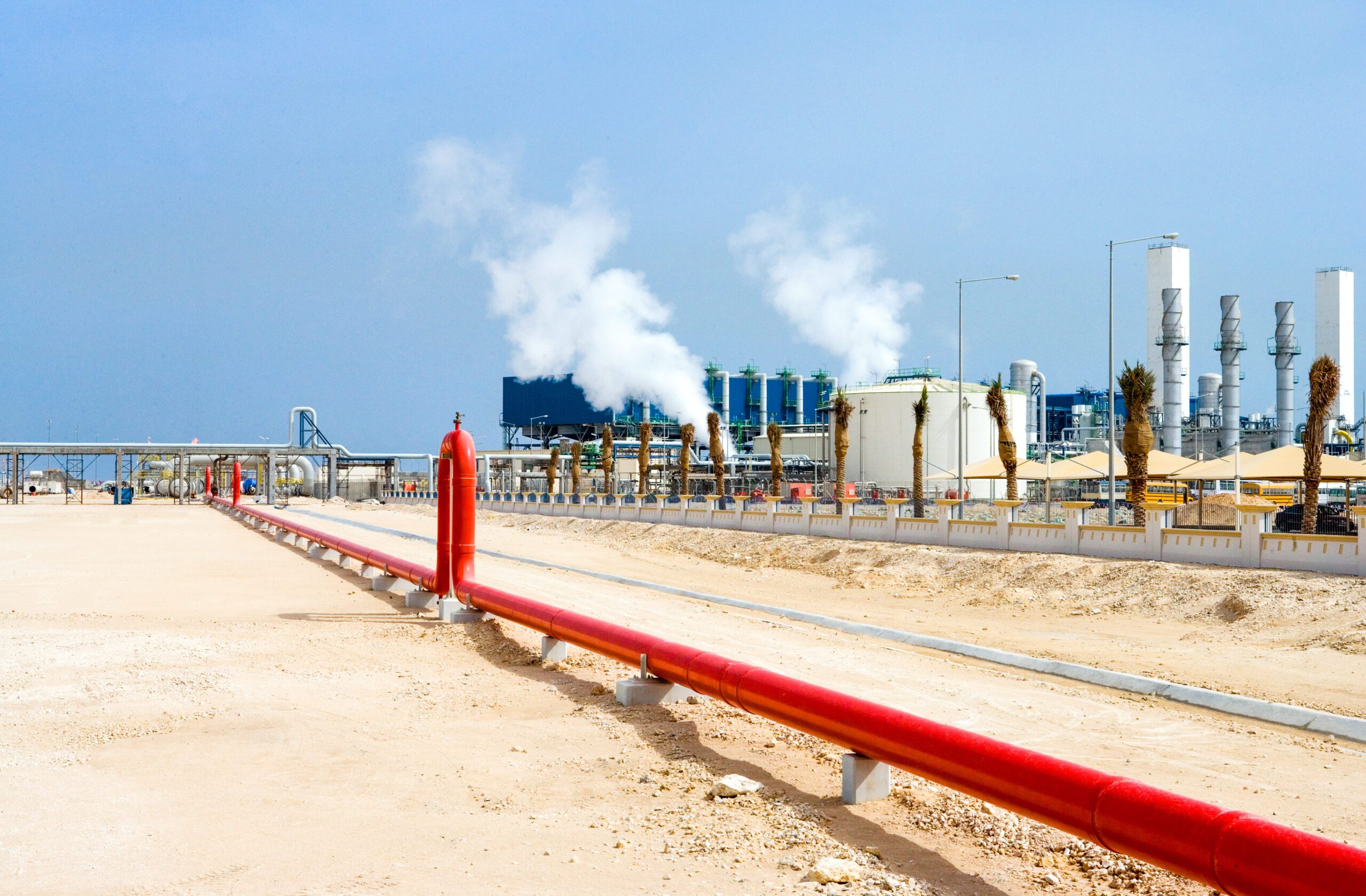
On Wednesday, QatarEnergy said its Ras Laffan LNG hub, the world’s largest such facility, had sustained “extensive damage” after being struck by Iranian missiles twice in 12 hours.

The attacks were a retaliation for Israeli attacks this week on South Pars, part of the world’s largest natural gas field. South Pars is not only critical to Iran’s domestic electricity supply – it also supplies Turkey via pipeline.

QatarEnergy, the world’s largest LNG producer, had already halted production of the fuel on March 2, following an earlier Iranian attack on its facilities, reducing global LNG supply by almost a fifth.

Even before the latest strikes, countries in Asia and Europe, which depend on natural gas imports, were scrambling to respond as LNG prices have surged, driving up the costs of generating electricity, heating homes and making fertilizer.

Benchmark natural gas prices in Asia and Europe had already surged some 60-70% since the war began on February 28, based on calculations of price moves in futures contracts. As of Thursday, Dutch natural gas futures, the European benchmark, have doubled.

The shock from the lost Qatari LNG supply has been “abrupt” and “alternative supplies are scarce,” JP Morgan commodities analysts wrote in a note in early March. Replacing such a large volume of LNG from elsewhere “is simply not realistic.”

Shortly after QatarEnergy stopped LNG production, India cut natural gas supplies to manufacturers, while the European Union said it was weighing capping natural gas prices to curb a jump in electricity costs.

But the latest strikes on Ras Laffan “fundamentally” alter the global natural gas market outlook, according to Wood Mackenzie, a data and analytics company. In a note Thursday, it said disruption to global natural gas supply was now likely to last longer than two months.

And a prolonged supply crunch would keep prices elevated for longer, commented Wood Mackenzie’s head of LNG strategy, Kristy Kramer.

Scramble for supply

The surge in LNG prices and a further reduction in supply could lead to severe impacts for Asian and European economies. (The United States, as the world’s largest LNG exporter, is largely insulated.)

Almost 90% of LNG from Qatar and the United Arab Emirates was delivered to Asia last year, with Bangladesh, India and Pakistan most reliant on these shipments, according to the International Energy Agency (IEA).


Read the full article by Hanna Ziady / CNN

Related Posts

Cities are taking the lead on clean air
Environment

Cities are taking the lead on clean air

Companies with strong ESG perform better
Environment

Companies with strong ESG perform better

Clean energy initiatives hampered by industry setbacks
Environment

Global energy demands within the AI regulatory landscape

Why Do Oil Tankers Spend So Much Time Sailing Empty?
Environment

Why Do Oil Tankers Spend So Much Time Sailing Empty?

How to Talk About Climate Change Across Political Divides
Environment

How to Talk About Climate Change Across Political Divides

Making Supply Chains Deliver More Than Just Faster, Cheaper Products
Environment

Making Supply Chains Deliver More Than Just Faster, Cheaper Products

Emission taxes may undermine corporate investment and do little for the environment
Environment

A Concrete Step Toward Reducing Industrial Carbon Emissions

How the Apparel Industry Could Refashion Itself with Sustainability in Mind
Environment

How the Apparel Industry Could Refashion Itself with Sustainability in Mind

Nature bonds program: unlocking funds for conservation and climate action
Environment

Uncovering economic potential through environmental stewardship

Replacing the “Take-Make-Waste” Model with Sustainable Supply Chains
Environment

Replacing the “Take-Make-Waste” Model with Sustainable Supply Chains

No Result
View All Result

Recent Posts

  • Cities are taking the lead on clean air
  • Business Implications of Geopolitics
  • Futures and technology shares decline amid AI spending concerns
  • Canadian AI lab Cohere announces acquisition of AISLE
  • TSMC profit soars 69% in record quarter

Archives

Categories

  • Art & Culture
  • Business
  • CEO Interviews
  • CEO Life
  • Editor´s Choice
  • Entrepreneur
  • Environment
  • Food
  • Health
  • Highlights
  • Industry
  • Innovation
  • Issues
  • Management & Leadership
  • News
  • Opinion
  • PrimeZone
  • Printed Version
  • Technology
  • Travel
  • Uncategorized

Meta

  • Log in
  • Entries feed
  • Comments feed
  • WordPress.org

  • CONTACT
  • GENERAL ENQUIRIES
  • ADVERTISING
  • MEDIA KIT
  • DIRECTORY
  • TERMS AND CONDITIONS

Advertising –
advertising@ceo-na.com

110 Wall St.,
3rd Floor
New York, NY.
10005
USA
+1 2125 9933 0330

UK
Collingwood Buildings,
38 Collingwood Street,
Newcastle Upon Tyne
NE1 1JF

  • News
  • CEO Interviews
  • Opinion
  • Technology
  • Environment
  • CEO Life

  • CONTACT
  • GENERAL ENQUIRIES
  • ADVERTISING
  • MEDIA KIT
  • DIRECTORY
  • TERMS AND CONDITIONS

Advertising –
advertising@ceo-na.com

110 Wall St.,
3rd Floor
New York, NY.
10005
USA
+1 2125 9933 0330

UK
Collingwood Buildings,
38 Collingwood Street,
Newcastle Upon Tyne
NE1 1JF

CEO North America © 2024 - Sitemap

Welcome Back!

Login to your account below

Forgotten Password?

Retrieve your password

Please enter your username or email address to reset your password.

Log In
No Result
View All Result
  • Home
  • News
    • Business
    • Entrepreneur
    • Industry
    • Innovation
    • Management & Leadership
  • CEO Interviews
  • Opinion
  • Technology
  • Environment
  • CEO Life
    • Art & Culture
    • Food
    • Health
    • Travel

© 2026 JNews - Premium WordPress news & magazine theme by Jegtheme.