The Iran war has driven oil prices to their highest levels in years. Now, a wave of attacks in the past 24 hours on energy production sites across the Middle East have turned the spotlight on another crucial fossil fuel: liquefied natural gas, or LNG.
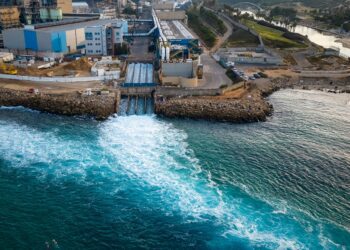
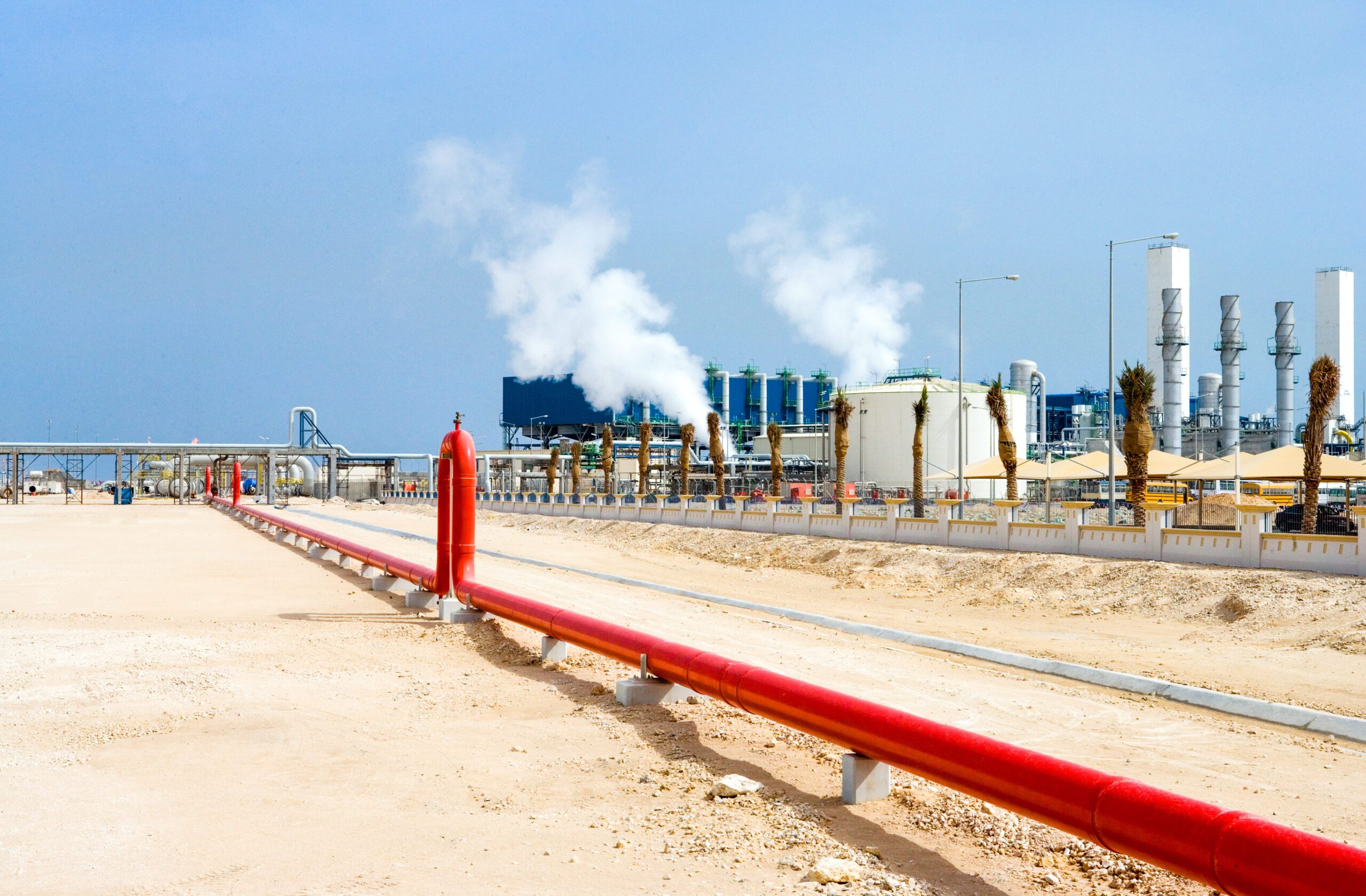
On Wednesday, QatarEnergy said its Ras Laffan LNG hub, the world’s largest such facility, had sustained “extensive damage” after being struck by Iranian missiles twice in 12 hours.
The attacks were a retaliation for Israeli attacks this week on South Pars, part of the world’s largest natural gas field. South Pars is not only critical to Iran’s domestic electricity supply – it also supplies Turkey via pipeline.
QatarEnergy, the world’s largest LNG producer, had already halted production of the fuel on March 2, following an earlier Iranian attack on its facilities, reducing global LNG supply by almost a fifth.
Even before the latest strikes, countries in Asia and Europe, which depend on natural gas imports, were scrambling to respond as LNG prices have surged, driving up the costs of generating electricity, heating homes and making fertilizer.
Benchmark natural gas prices in Asia and Europe had already surged some 60-70% since the war began on February 28, based on calculations of price moves in futures contracts. As of Thursday, Dutch natural gas futures, the European benchmark, have doubled.
The shock from the lost Qatari LNG supply has been “abrupt” and “alternative supplies are scarce,” JP Morgan commodities analysts wrote in a note in early March. Replacing such a large volume of LNG from elsewhere “is simply not realistic.”
Shortly after QatarEnergy stopped LNG production, India cut natural gas supplies to manufacturers, while the European Union said it was weighing capping natural gas prices to curb a jump in electricity costs.
But the latest strikes on Ras Laffan “fundamentally” alter the global natural gas market outlook, according to Wood Mackenzie, a data and analytics company. In a note Thursday, it said disruption to global natural gas supply was now likely to last longer than two months.
And a prolonged supply crunch would keep prices elevated for longer, commented Wood Mackenzie’s head of LNG strategy, Kristy Kramer.
Scramble for supply
The surge in LNG prices and a further reduction in supply could lead to severe impacts for Asian and European economies. (The United States, as the world’s largest LNG exporter, is largely insulated.)
Almost 90% of LNG from Qatar and the United Arab Emirates was delivered to Asia last year, with Bangladesh, India and Pakistan most reliant on these shipments, according to the International Energy Agency (IEA).