Tuesday, January 20, 2026
  • Login
CEO North America
  • Home
  • News
    • Business
    • Entrepreneur
    • Industry
    • Innovation
    • Management & Leadership
  • CEO Interviews
  • Opinion
  • Technology
  • Environment
  • CEO Life
    • Art & Culture
    • Food
    • Health
    • Travel
No Result
View All Result
  • Home
  • News
    • Business
    • Entrepreneur
    • Industry
    • Innovation
    • Management & Leadership
  • CEO Interviews
  • Opinion
  • Technology
  • Environment
  • CEO Life
    • Art & Culture
    • Food
    • Health
    • Travel
No Result
View All Result
CEO North America
No Result
View All Result

CEO North America > CEO Life > Environment > A cooler climate solution: Air-conditioning without the compressor

A cooler climate solution: Air-conditioning without the compressor

in Environment
A cooler climate solution: Air-conditioning without the compressor
Share on LinkedinShare on WhatsApp

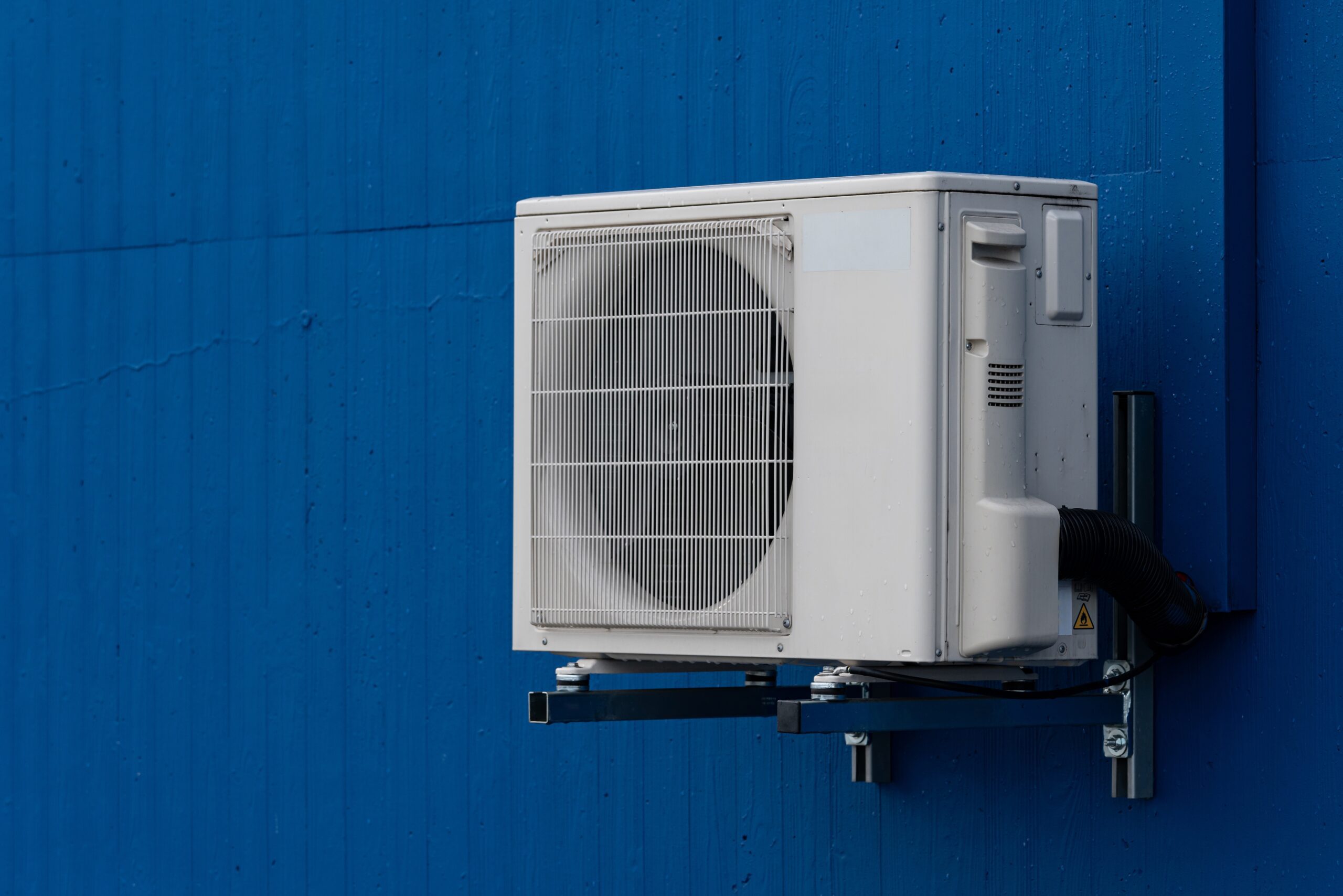
As climate change pushes temperatures higher around the world, demand for air conditioning is rising rapidly.

The International Energy Agency (IEA) estimates that energy demand for space cooling could more than triple by 2050, driven largely by the rapid spread of air conditioning.

But these cooling systems are a significant climate problem of their own.

Cooling’s climate cost

Most cooling technology in use relies on vapor-compression technology, which circulates chemical refrigerants through a compressor. “The cooling sector has historically been very risk-averse,” said Berardo Matalucci, co-founder and CEO of MIMiC Systems, a Brooklyn-based company building alternative cooling technology that replaces bulky compressor units for hotels, offices and homes. “Almost every air conditioner is on 19th-century innovations.”

Jarad Mason, an associate professor of chemistry and chemical biology at Harvard University, who studies solid refrigerants for cooling systems, explained that “pretty much every air conditioner, refrigerator and heat pump that you use in the US has a vapor compression system that uses a fluorocarbon-based refrigerant.”

Those refrigerants, also known as hydrofluorocarbons, are potent greenhouse gases, “orders of magnitude (stronger) than carbon dioxide,” Mason said.

Greenhouse gases warm the planet by trapping heat that would otherwise escape into space, and even small leaks of refrigerants from air conditioners can have an outsized climate impact.

Even though these cooling systems are designed as closed loops, refrigerant leakage is widespread.

“It’s not practical at scale to make these systems leak-free, and still cheap enough to be commercially viable,” Mason said.

According to Mason, refrigerant gases, including fluorocarbon gases used in refrigerators and heat pumps, contribute around 2% to 3% of global greenhouse gas emissions, approaching the climate impact of the entire aviation industry.

Matalucci adds that, “as refrigerant escapes into the atmosphere, it also causes a lack of efficiency. So (appliances) draw more and more electricity.”

Bringing new technology into homes

According to Mason, solid-state cooling systems were developed in the middle of the 20th century but have historically been confined to niche applications like portable coolers, spacecrafts and submarines, where reliability and safety are leading priorities.

“One would be hard-pressed to find a solid-state device that’s being used at scale for air conditioning,” Mason said. Not only are solid-state devices more expensive, “one of the biggest challenges is reaching an energy efficiency, or coefficient of performance, that is comparable to existing systems,” he said.

According to data from the nonprofit, global energy systems think tank Rocky Mountain Institute, conventional air conditioners typically operate at an average coefficient of performance (COP) between two and four, with the most efficient systems reaching around five or six under optimal conditions. By contrast, solid-state cooling devices have demonstrated a wide range of COPs from below one to well above 10. Matalucci and Mason agree that most solid-state systems have yet to match the efficiencies of conventional air conditioners.


Read the full article by Asuka Koda / CNN

Related Posts

Oil Tumbles After Trump Signals US Response to Iran Is On Hold
Environment

Oil Tumbles After Trump Signals US Response to Iran Is On Hold

Exxon to buy Pioneer Natural Resources for $60 billion
Environment

Trump threatens to sideline Exxon from Venezuela’s oil: ‘They’re playing too cute’

US withdrawal from climate treaty is ‘colossal own goal’, says UN climate chief
Environment

US withdrawal from climate treaty is ‘colossal own goal’, says UN climate chief

S&P 500 futures rise after US takedown in Venezuela
Environment

Big Oil doesn’t share Trump’s dream of making Venezuelan oil great again

Generative AI is an energy hog. Is the tech worth the environmental cost?
Environment

More than 200 environmental groups demand halt to new US datacenters

Biden announces offshore wind rights sale in Gulf of Mexico
Environment

US freezes five big offshore wind projects

Environmental group sues in bid to get Trump’s image removed from new national park passes
Environment

Environmental group sues in bid to get Trump’s image removed from new national park passes

Automakers scale back on EV plans
Environment

Europe backtracks on ban of new combustion engine cars, in setback to tackling climate change

Global Materials Perspective 2025
Environment

Global Materials Perspective 2025

NextEra expands Google Cloud partnership, secures clean energy contracts with Meta
Environment

NextEra expands Google Cloud partnership, secures clean energy contracts with Meta

No Result
View All Result

Recent Posts

  • Span of Control: What’s the Optimal Team Size for Managers?
  • A cooler climate solution: Air-conditioning without the compressor
  • Trump threatens 200% tariff on French wines
  • Netflix adjusts Warner Bros. offer to all-cash
  • From pilots to performance: How COOs can scale AI in manufacturing

Archives

Categories

  • Art & Culture
  • Business
  • CEO Interviews
  • CEO Life
  • Editor´s Choice
  • Entrepreneur
  • Environment
  • Food
  • Health
  • Highlights
  • Industry
  • Innovation
  • Issues
  • Management & Leadership
  • News
  • Opinion
  • PrimeZone
  • Printed Version
  • Technology
  • Travel
  • Uncategorized

Meta

  • Log in
  • Entries feed
  • Comments feed
  • WordPress.org

  • CONTACT
  • GENERAL ENQUIRIES
  • ADVERTISING
  • MEDIA KIT
  • DIRECTORY
  • TERMS AND CONDITIONS

Advertising –
advertising@ceo-na.com

110 Wall St.,
3rd Floor
New York, NY.
10005
USA
+1 212 432 5800

Avenida Chapultepec 480,
Floor 11
Mexico City
06700
MEXICO

  • News
  • CEO Interviews
  • Opinion
  • Technology
  • Environment
  • CEO Life

  • CONTACT
  • GENERAL ENQUIRIES
  • ADVERTISING
  • MEDIA KIT
  • DIRECTORY
  • TERMS AND CONDITIONS

Advertising –
advertising@ceo-na.com

110 Wall St.,
3rd Floor
New York, NY.
10005
USA
+1 212 432 5800

Avenida Chapultepec 480,
Floor 11
Mexico City
06700
MEXICO

CEO North America © 2024 - Sitemap

Welcome Back!

Login to your account below

Forgotten Password?

Retrieve your password

Please enter your username or email address to reset your password.

Log In
No Result
View All Result
  • Home
  • News
    • Business
    • Entrepreneur
    • Industry
    • Innovation
    • Management & Leadership
  • CEO Interviews
  • Opinion
  • Technology
  • Environment
  • CEO Life
    • Art & Culture
    • Food
    • Health
    • Travel

© 2026 JNews - Premium WordPress news & magazine theme by Jegtheme.