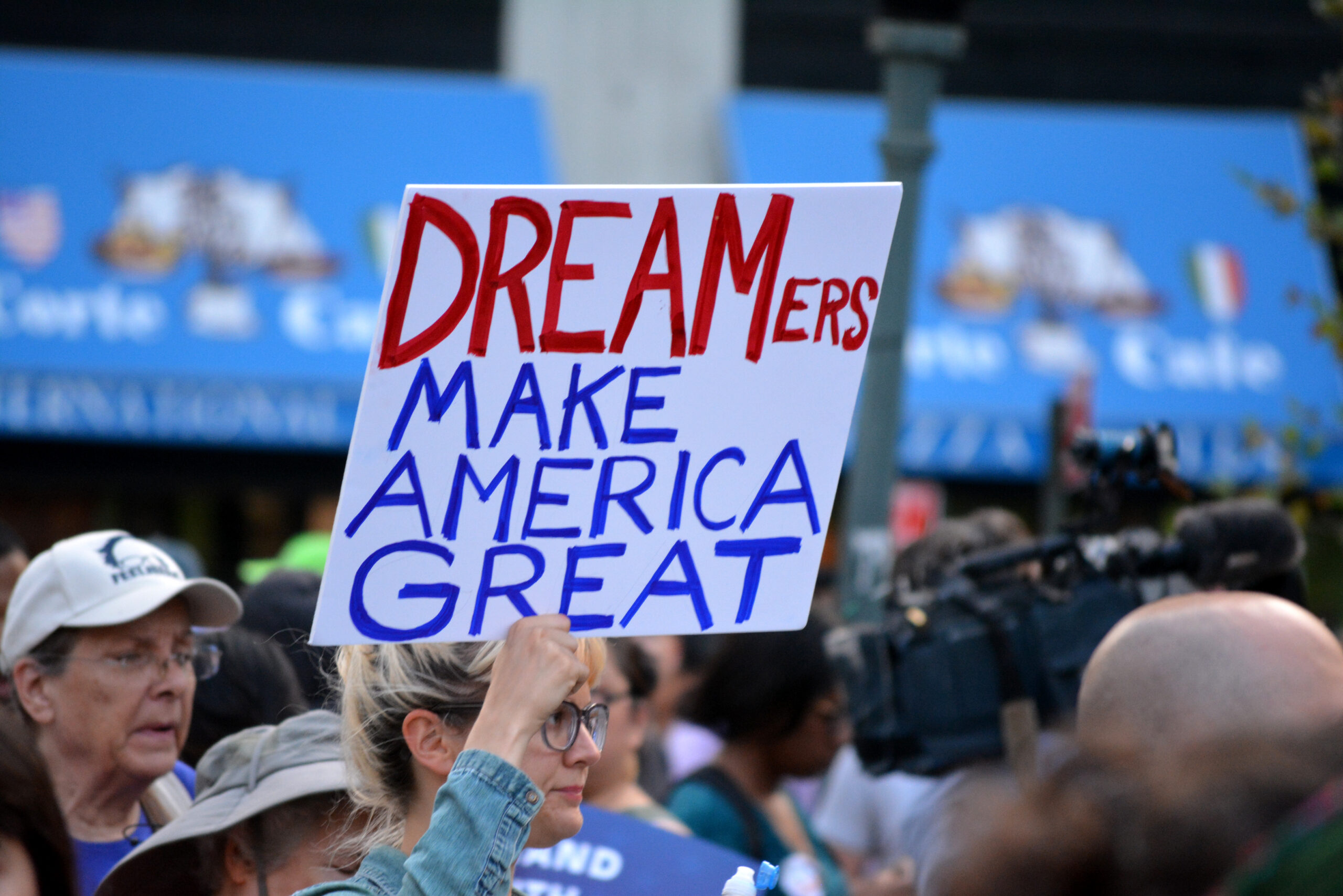
On President Donald Trump’s first day in office, he signed a sweeping executive order on immigration, threatened to impose a broad range of tariffs, including a 25% tariff on goods imported into the United States from Mexico and Canada that he said would go into effect on Feb. 1, and outlined some actions aimed at taming inflation. A deeper understanding of how fresh produce makes its way into U.S. grocery stores helps to illuminate the contradictions in these goals. The United States depends on migrants — legal and undocumented — to grow and harvest much of its fresh produce.
Deportations and the ensuing labor shortages would dramatically raise the cost of produce that requires heavy manual labor, especially fruit like strawberries and blueberries, or anything that must be handpicked. We don’t know whether any of these plans will be enacted, but understanding the role that immigrants, legal as well as undocumented, play in delivering produce to the supermarket will help the administration make better decisions. Mistakes could turn some items, like berries, into luxury goods.
The Domestic Agricultural Workforce
Immigrants play a vital role in the U.S. agricultural workforce: They make up approximately 61% of farmworkers, according to the most recently available data, but as of a 2022 U.S. Department of Labor survey, 42% were not legally authorized to work in the country, meaning they were undocumented. This would presumably be part of the group that President Trump and his team have targeted to deport.
Most people probably assume the undocumented group is unskilled labor, but our interviews with four growers with operations in Florida and California and people at industry associations suggest the opposite. “We would lose a lot of our skilled workers,” said one California strawberry grower. “Some of our more skilled people have been here for 20 or 30 years, and they speak English.”
Jobs Many Americans Don’t Want to Perform
Some say that immigrants are taking away American jobs. In reality, the United States is grappling with a domestic labor shortage.
One factor is the aging agricultural workforce. In parts of the Midwest, the Federal Reserve Bank of Minneapolis reported that median age of agricultural workers rose from 51 in 2012 to 56 in 2021, effectively shrinking the labor pool.
Many Americans simply refuse to work in labor-intensive, manual jobs. When informed about H-2A job opportunities, Americans accept only one in 20 offers, and most end up quitting.
Demographic shifts combined with negative attitudes toward agricultural work have contributed to record-high labor shortages. In 2021, 66% of agricultural employers reported experiencing “some” or “a lot of difficulty” hiring workers, compared to 30% in 2020.
The Cost Advantage of Imports
Importing fruits and vegetables is often cheaper due to significantly lower wage rates abroad. This has made it difficult for U.S. farmers to compete on price alone, which has resulted in a continuing erosion of their market share. Since 2020, imports have accounted for a larger proportion of the total supply of fresh fruit in the United States. In 2022, 55% of fresh fruits were imported, up from 37% in 2000. Also in 2022, Mexico supplied 51% of fresh fruit imports and 69% of fresh vegetable imports, while Canada supplied 2% of fresh fruit imports and 20% of fresh vegetable imports. With H-2A AEWR in force in Michigan, it is cheaper to import blueberries from Canada than grow them locally.
The Dangers of Tariffs and Deportations
President Trump’s threat of tariffs on Mexico, Canada, and China will make many fruits and vegetables more expensive, contributing to inflation. Between 2007 and 2021, according to the most recently available data, imports’ shares of asparagus, avocados, bell peppers, blueberries, broccoli, cauliflower, cucumbers, raspberries, snap beans, and tomatoes all increased by 20 percentage points or more.
Trump has also promised mass deportations of many people, including undocumented populations and possibly even immigrants who have legal protections. Another grower we interviewed, who operates farms in Florida and California, estimated that half of the agricultural workforce in California is undocumented. Mass deportations would worsen an already-severe labor shortage and could leave crops rotting in the field — if they even get planted in the first place. One expert at a trade association for growers of fresh fruits and vegetables told us: “Either you have to import your labor or you import your products.”
Read the complete article by Willy C. Shih and Veronica Chua / Harvard Business Review