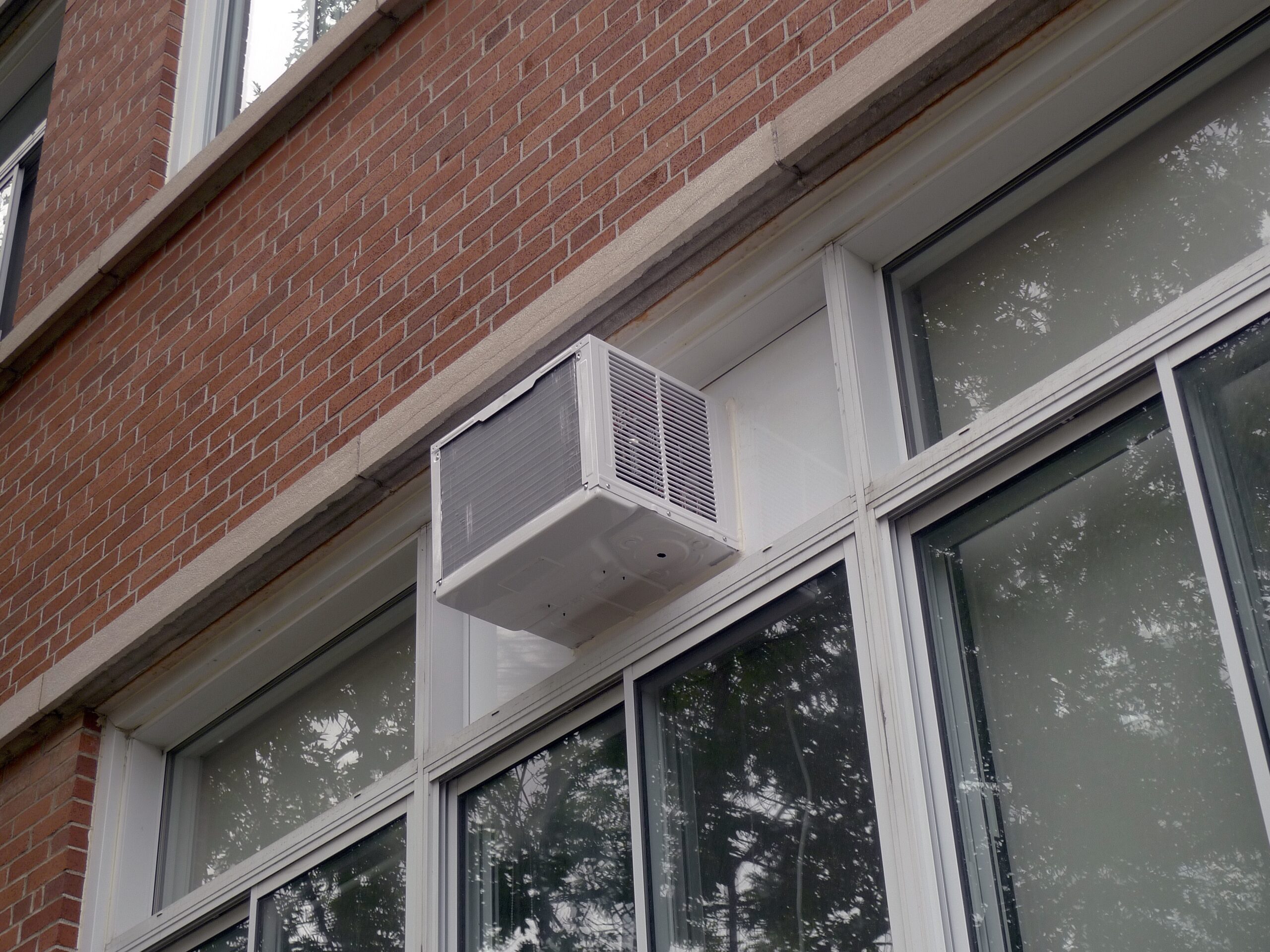
Last summer was the hottest on record and 2024 looks to be hotter still, but while cranking up the AC can provide temporary relief, it could lead to greater vulnerability to extreme climate events over time.
Fortunately, there are strategies that could reduce air conditioning’s greenhouse gas emissions, including transitioning to renewable energy, developing urban green infrastructure, increasing energy efficiency in buildings, and adjusting work and leisure schedules to lessen air conditioning demands.
Extreme heat results in preventable illnesses and deaths around the world. Increasing access to air conditioning is an important health and safety solution, especially as climate projections indicate that extreme heat events will become more frequent and severe. Moreover, compound climate events, such as simultaneous heat waves and wildfires that make opening windows unhealthy, make access to cooling essential.
Air conditioning, however, is a double-edged sword. Most air conditioning runs on electricity generated by burning fossil fuels, leading to more emissions and, consequently, contributing to a dangerous feedback loop of higher global temperatures and more frequent heat waves. While air conditioning is a life-saving coping mechanism for extreme heat, there is a difference between climate coping strategies and climate adaptation. Mechanisms for coping with the effects of climate change can provide temporary relief, but often lead to greater vulnerability over time, a phenomenon known as maladaptation.
Exposure to and experience of extreme heat depends on a variety of factors, including location, age, and socioeconomic status. For example, in urban areas, built structures that absorb and radiate heat can raise temperatures up to 20 degrees higher than surrounding vegetated areas. High temperatures are not spread evenly throughout urban areas, however, and research shows that, on average, people of color and those below the poverty line live in areas with higher summer daytime surface areas. This is one of the legacies of historic redlining, but even cities without this history have similar disparities. Meanwhile, air conditioning access across the United States and around the world remains significantly unequal, with many living in “energy poverty,” defined as spending more than 10 percent of one’s income on heating and/or cooling. Even so, air conditioning can’t always compete with the heat.
Luckily, there are ways to build more equitable resilience to extreme heat while addressing both the causes and effects of climate change simultaneously.
Luckily, there are ways to build more equitable resilience while addressing both the causes and effects of climate change simultaneously. Transitioning to renewable energy, such as solar, can break air conditioning’s current feedback loop. Urban green infrastructure and nature-based solutions, such as trees, parks, and bioswales, can dramatically cool temperatures while increasing pollinator habitat, improving water quality, and providing social and economic benefits. Resulting lower temperatures mean that air conditioners do not have to expend as much energy (fossil fuel or otherwise) to cool indoor temperatures to a safe level. Behavioral changes at scale, such as adapting work schedules to cooler parts of the day and resting during peak heat, can reduce heat exposure as well as demand on the electrical grid. This lowers the likelihood of electrical grid blackouts that amplify heat mortality and morbidity.
With many parts of the United States breaking heat records this summer, current AC strategies must be understood as a necessary Band-Aid, not as a lasting solution. Achieving climate resilience requires multi-pronged efforts, and addressing extreme heat effectively and equitably requires a balance of immediate and long-term strategies. Policymakers should seek ways to expand access to air conditioning and cooling centers while scaling up renewable energy, increasing public awareness of how to stay safe during extreme heat, and implementing green infrastructure across highly built areas to reduce temperatures naturally.
A heat-resilient society that protects both short-term and long-term health is possible by transitioning from coping mechanisms to sustainable adaptation strategies. Otherwise, there is a risk of becoming ever more reactive to extreme temperatures without tackling the root cause, worsening global warming in the process.
By Lena Easton-Calabria/Courtesy Rand Institute